RGBK
RGBK
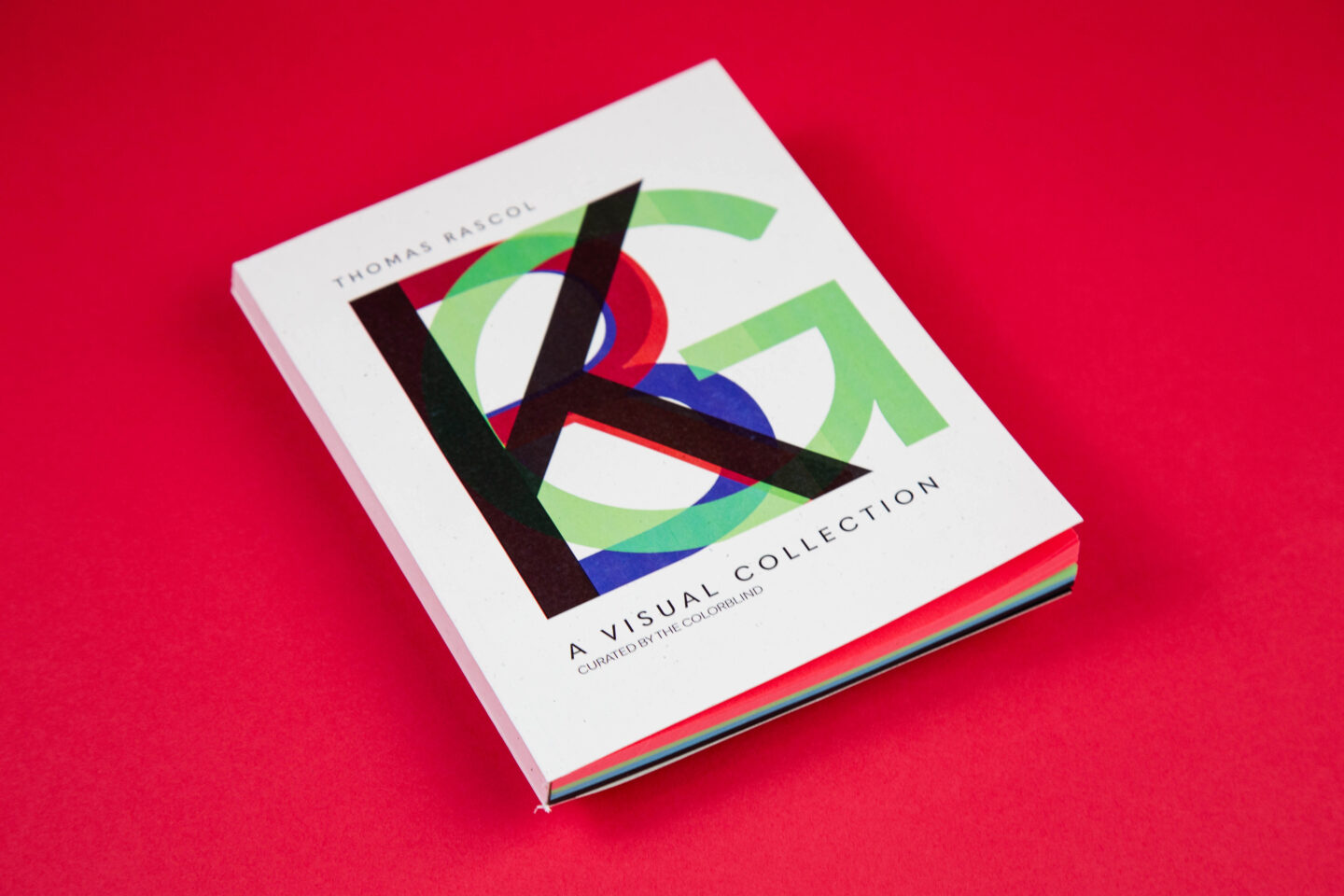
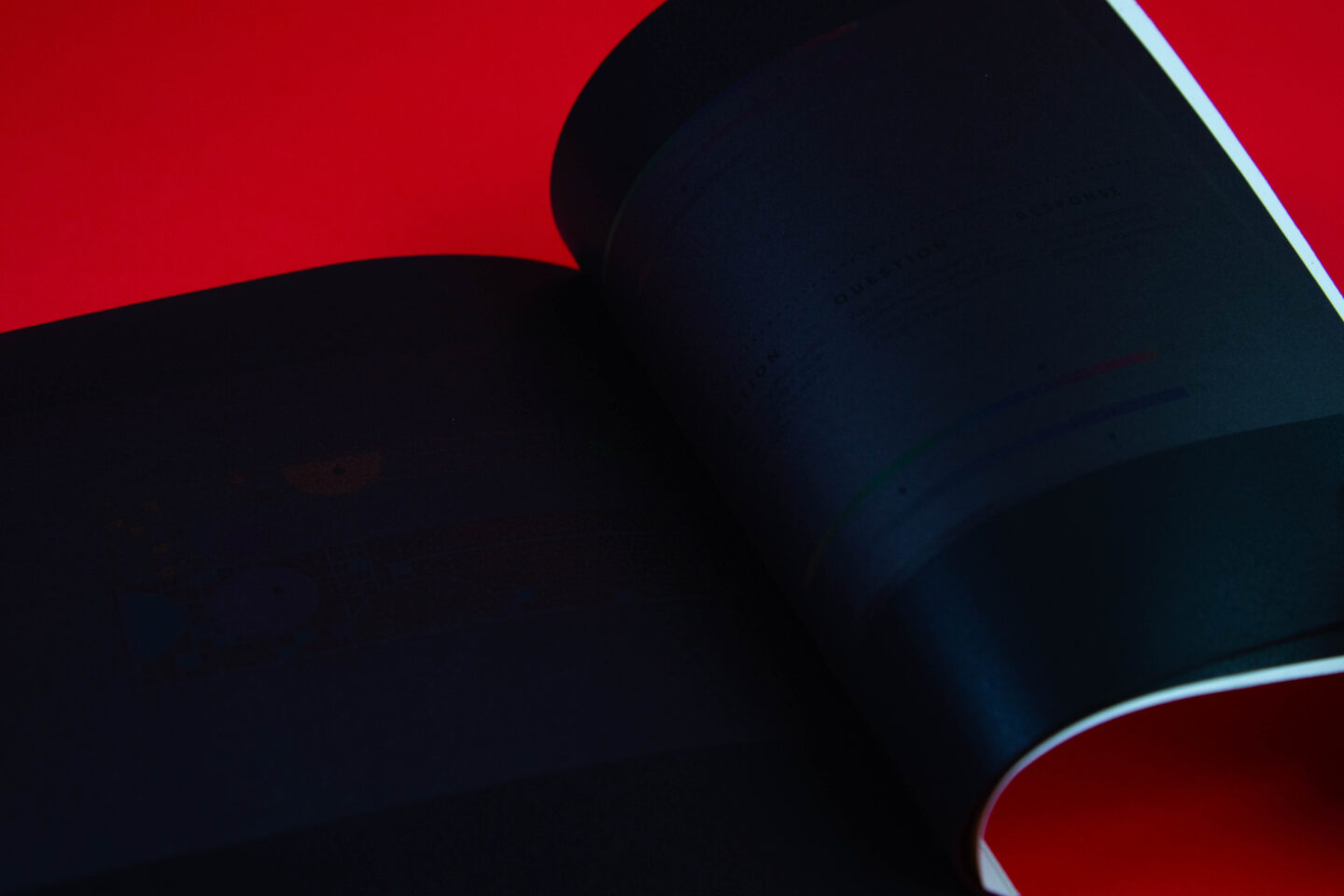
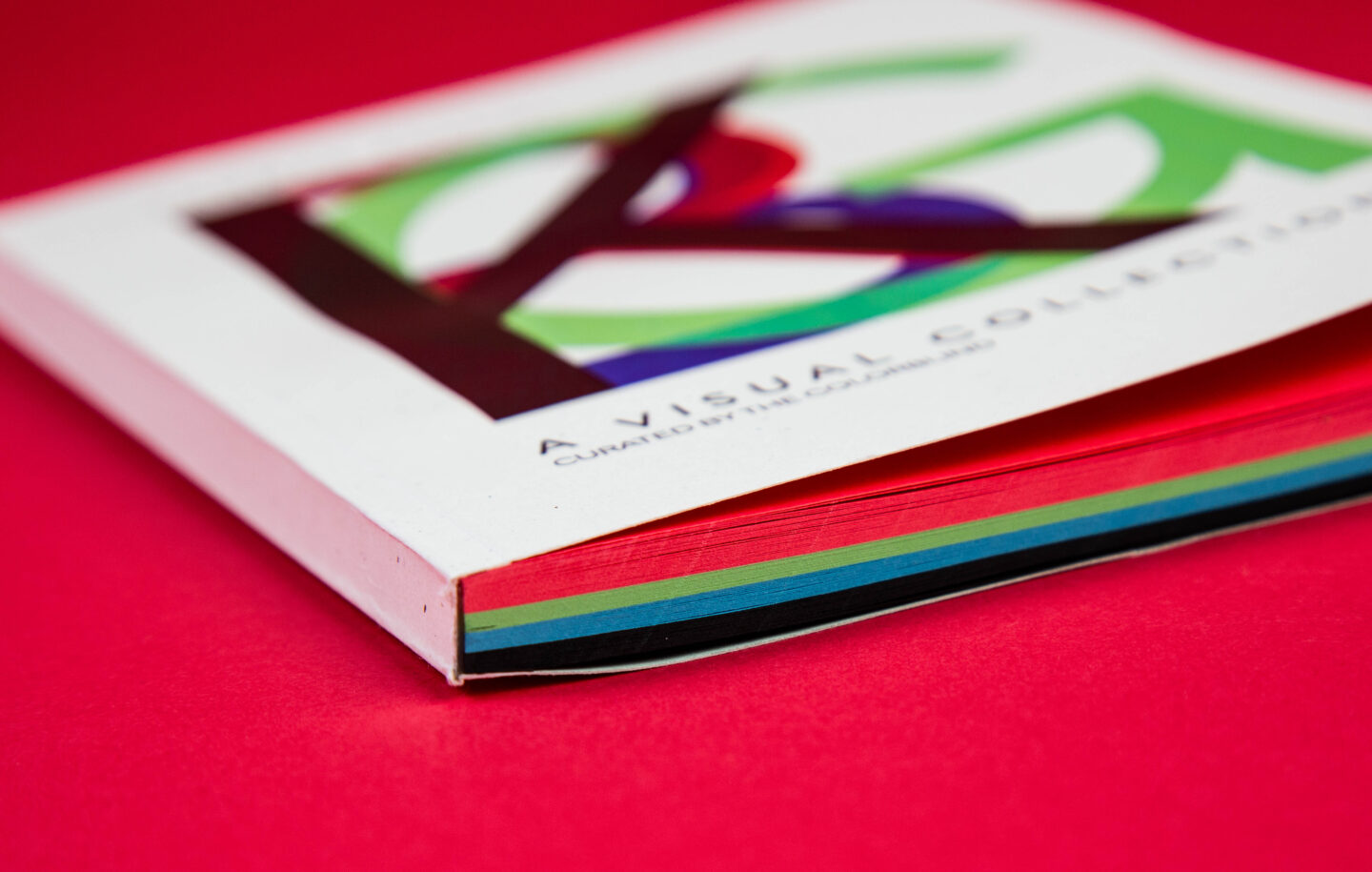
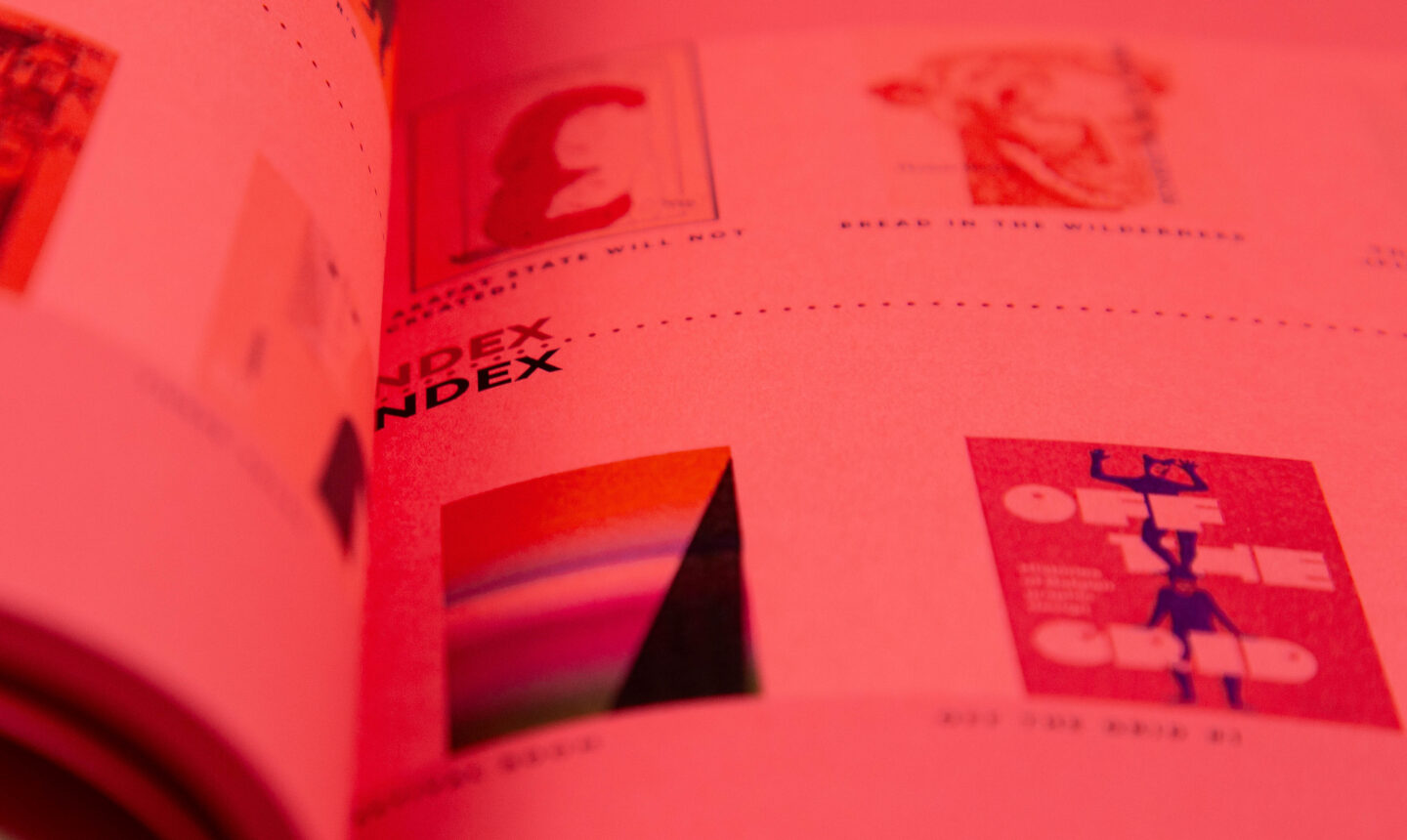
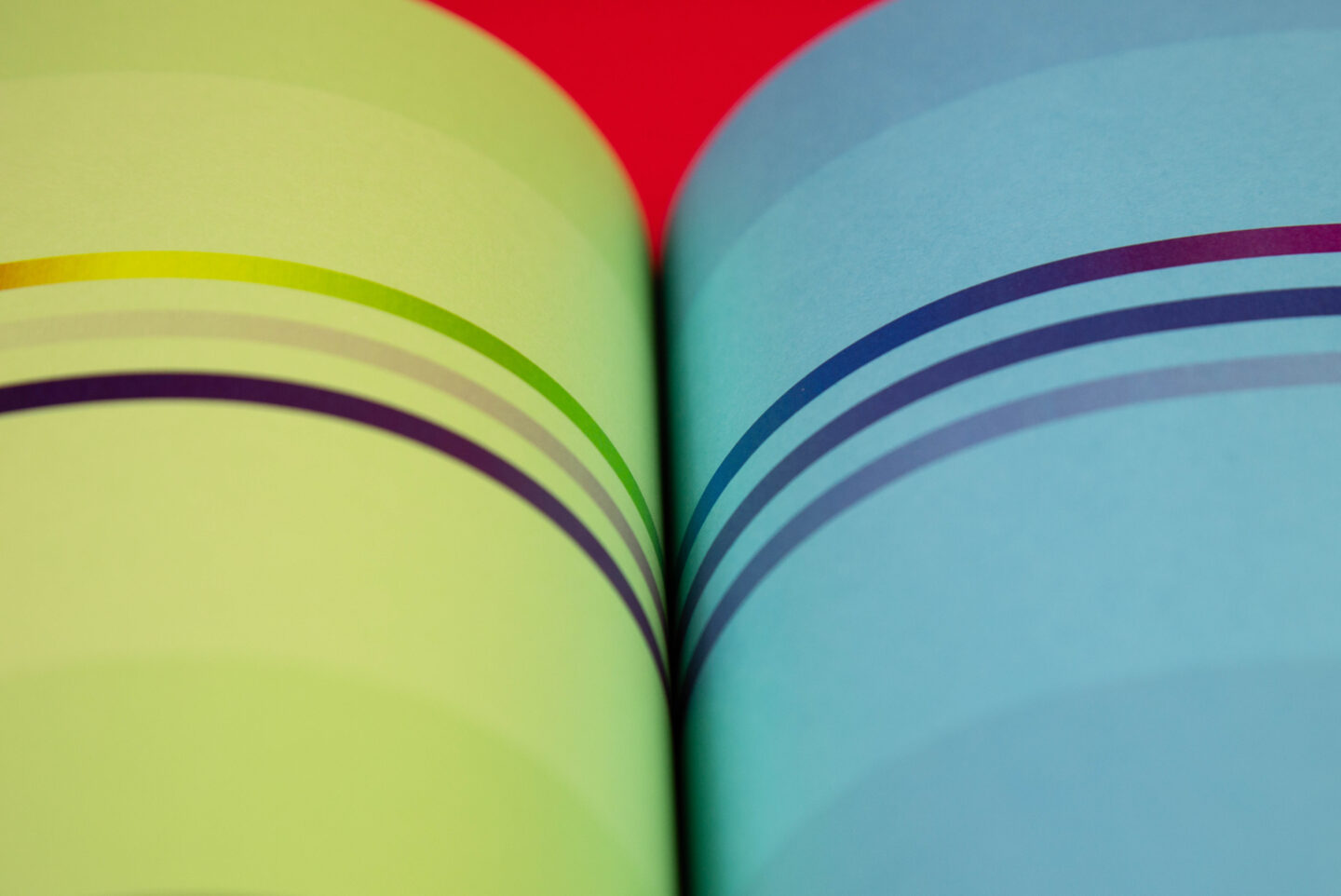
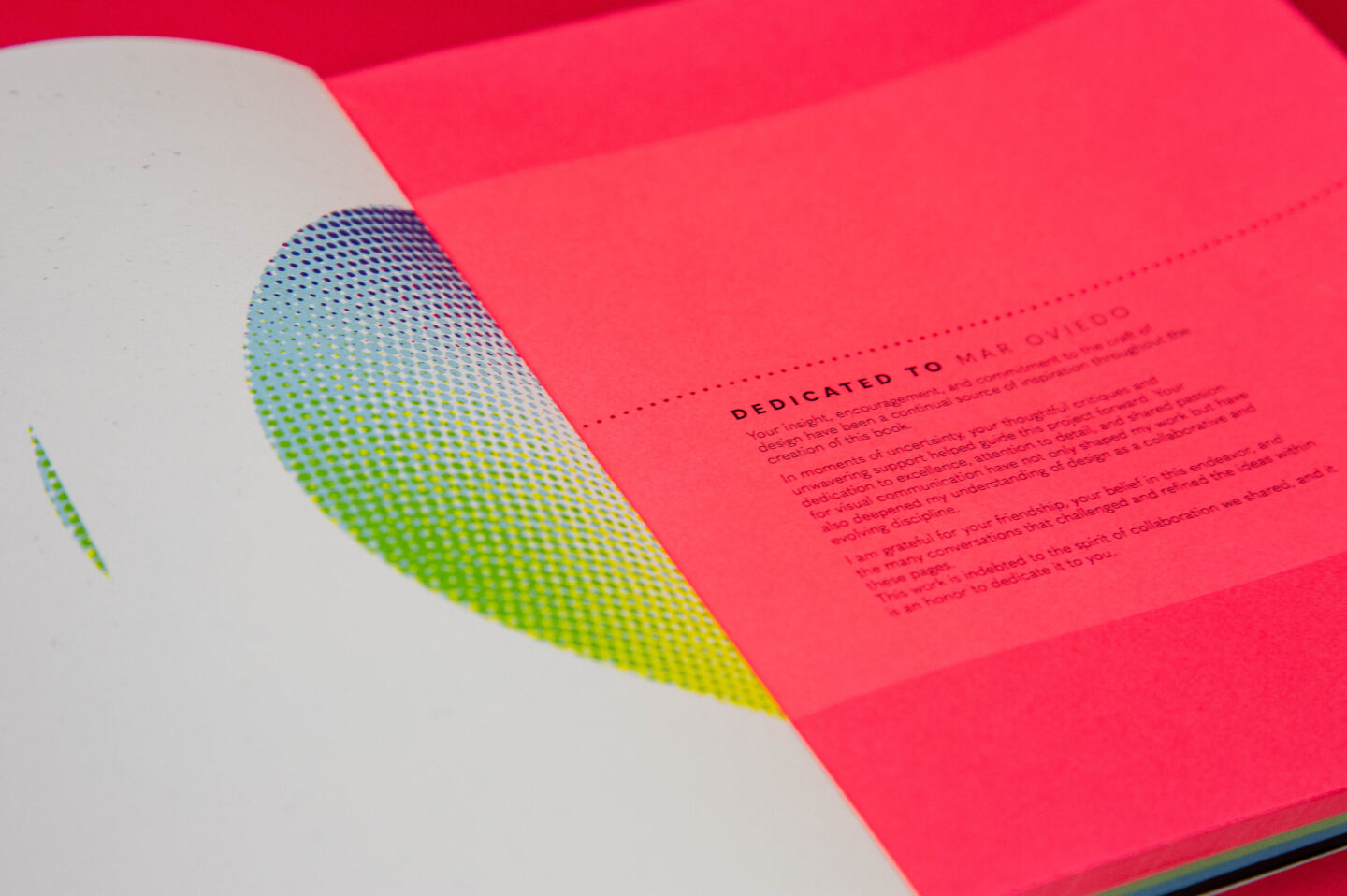
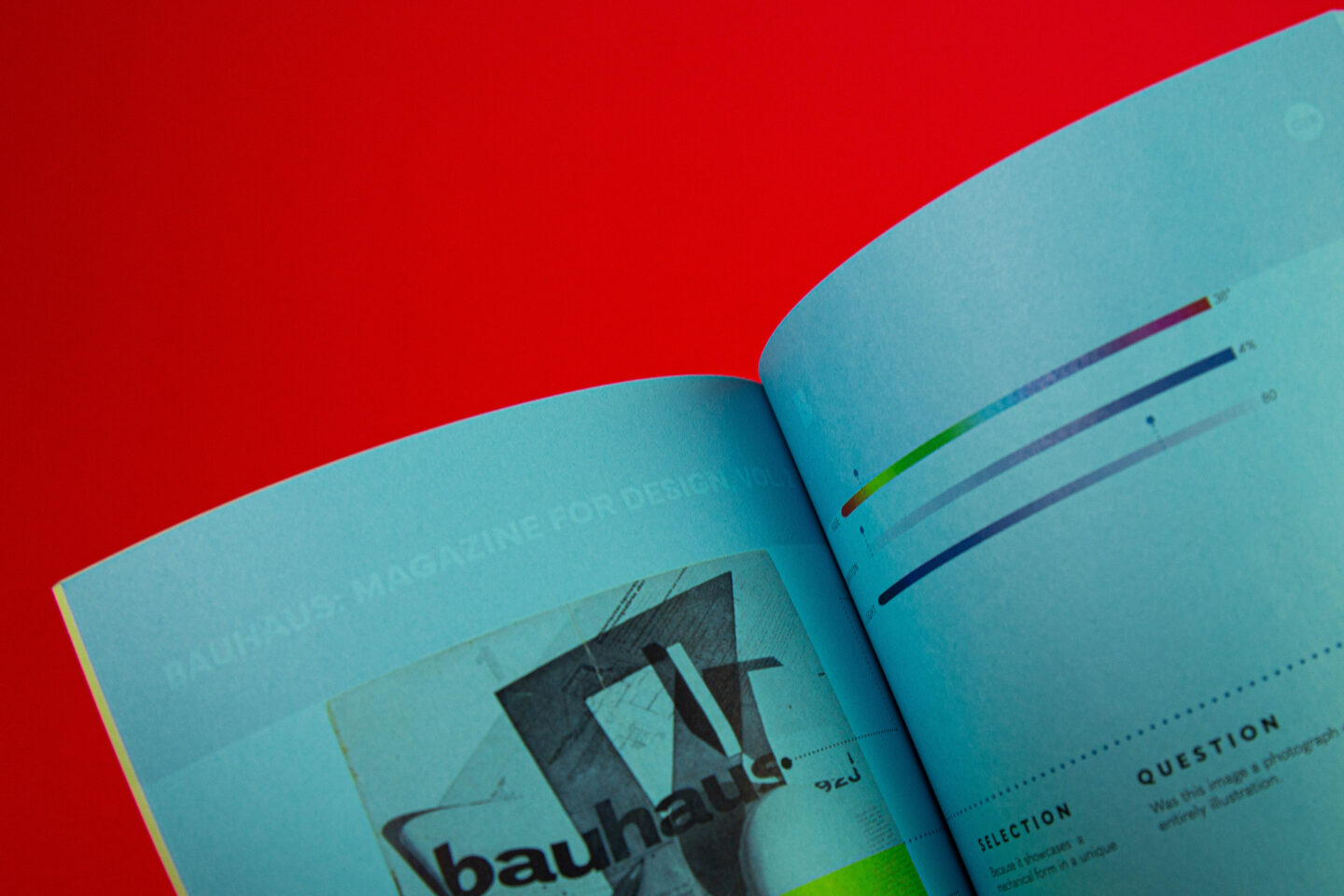
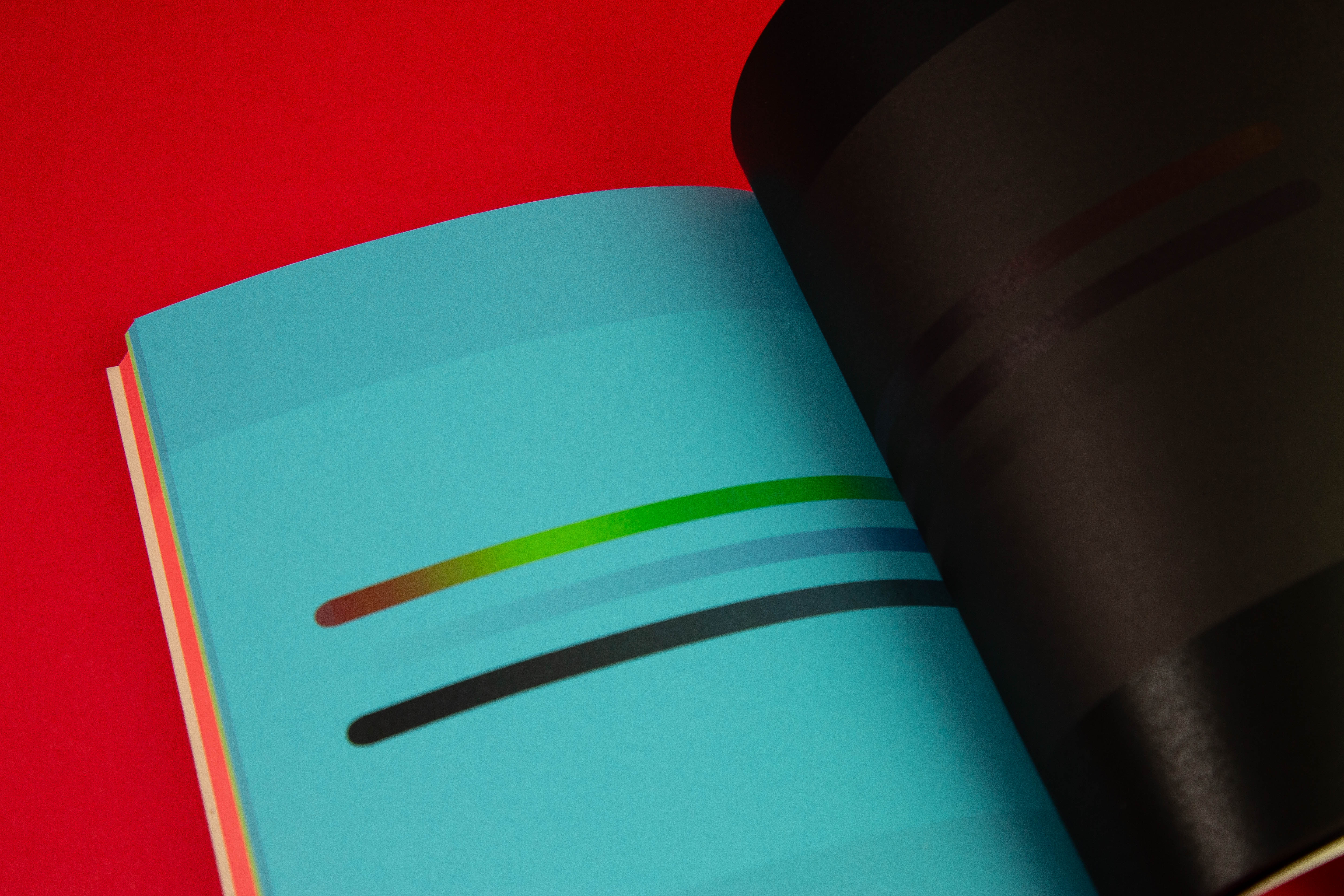
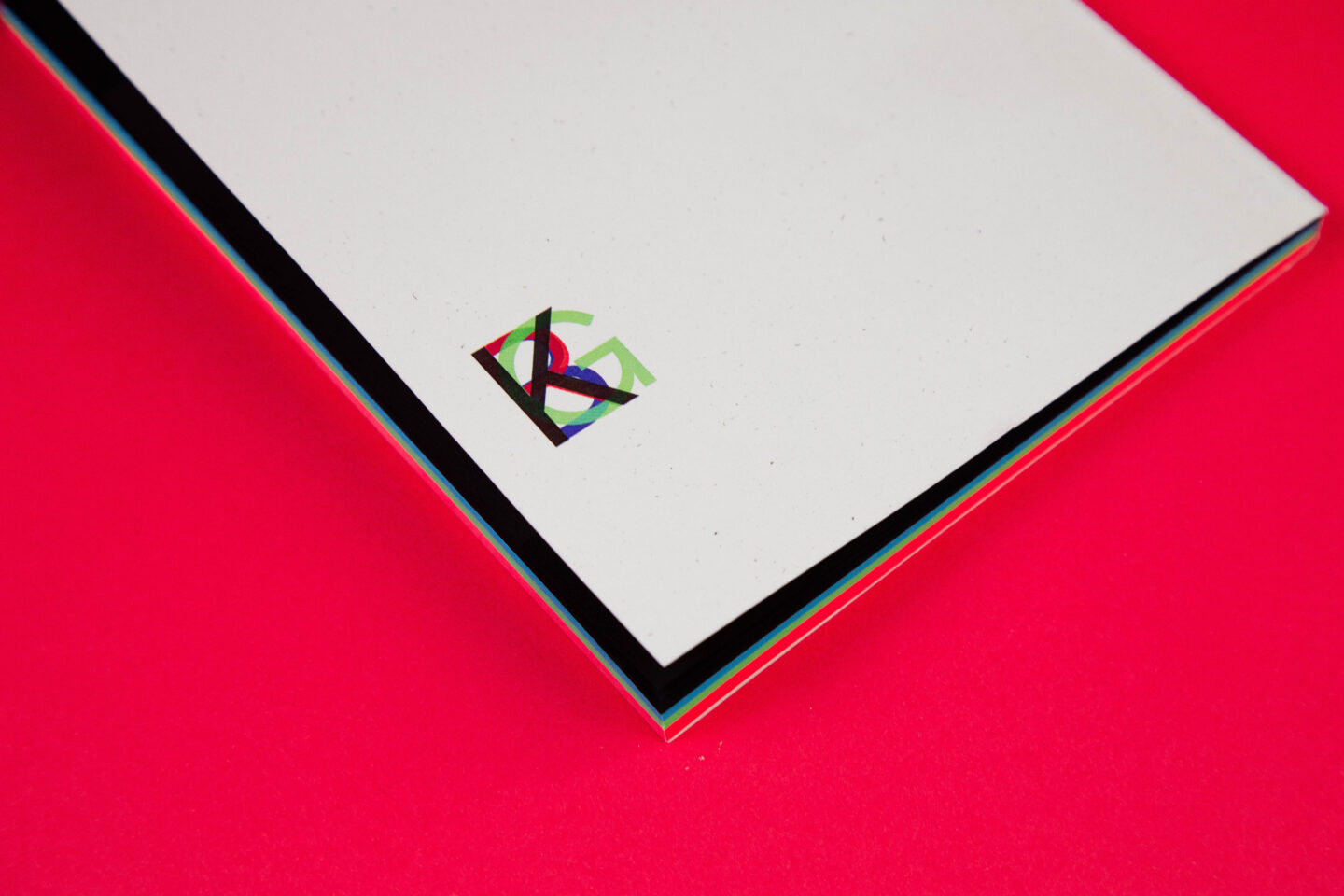
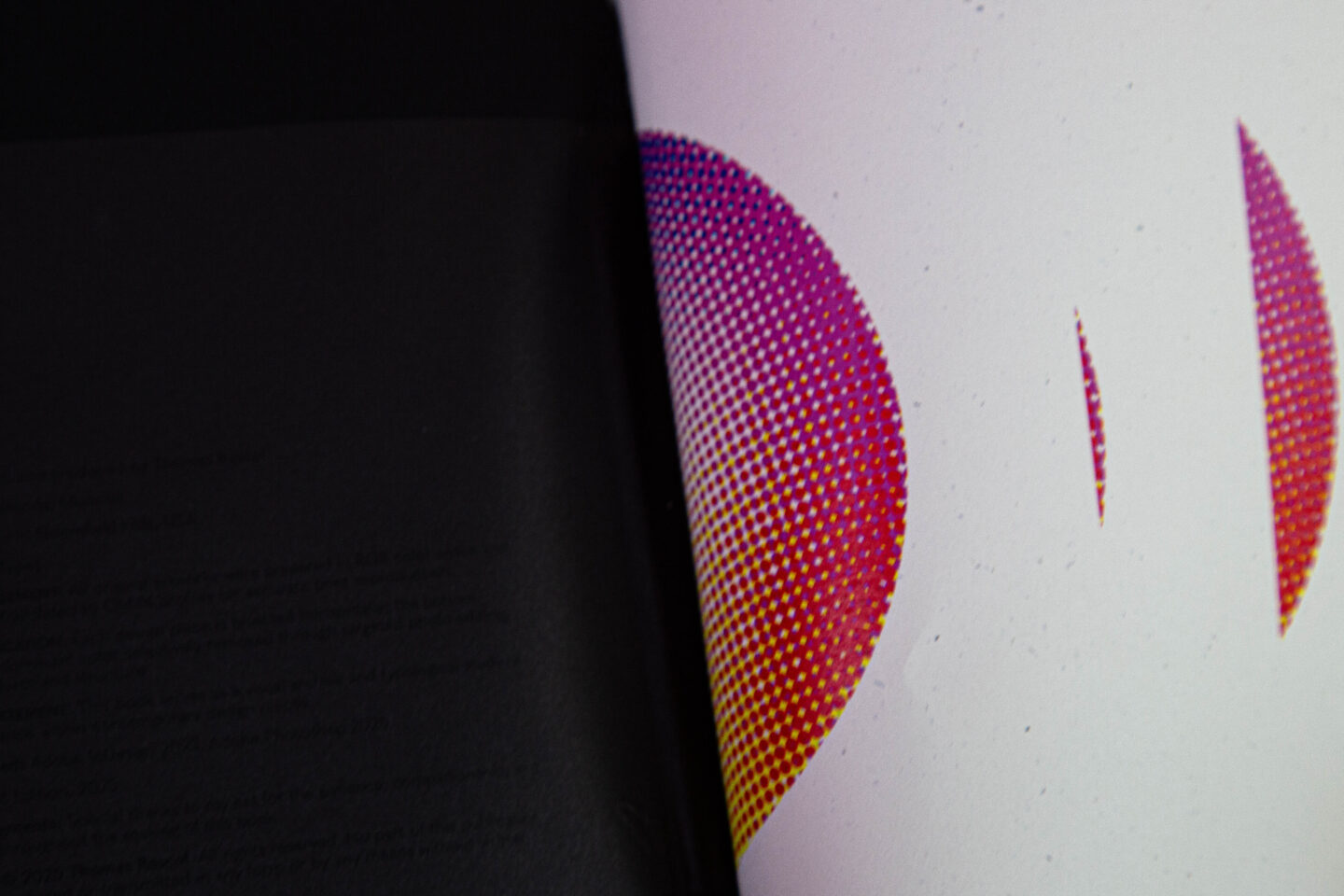
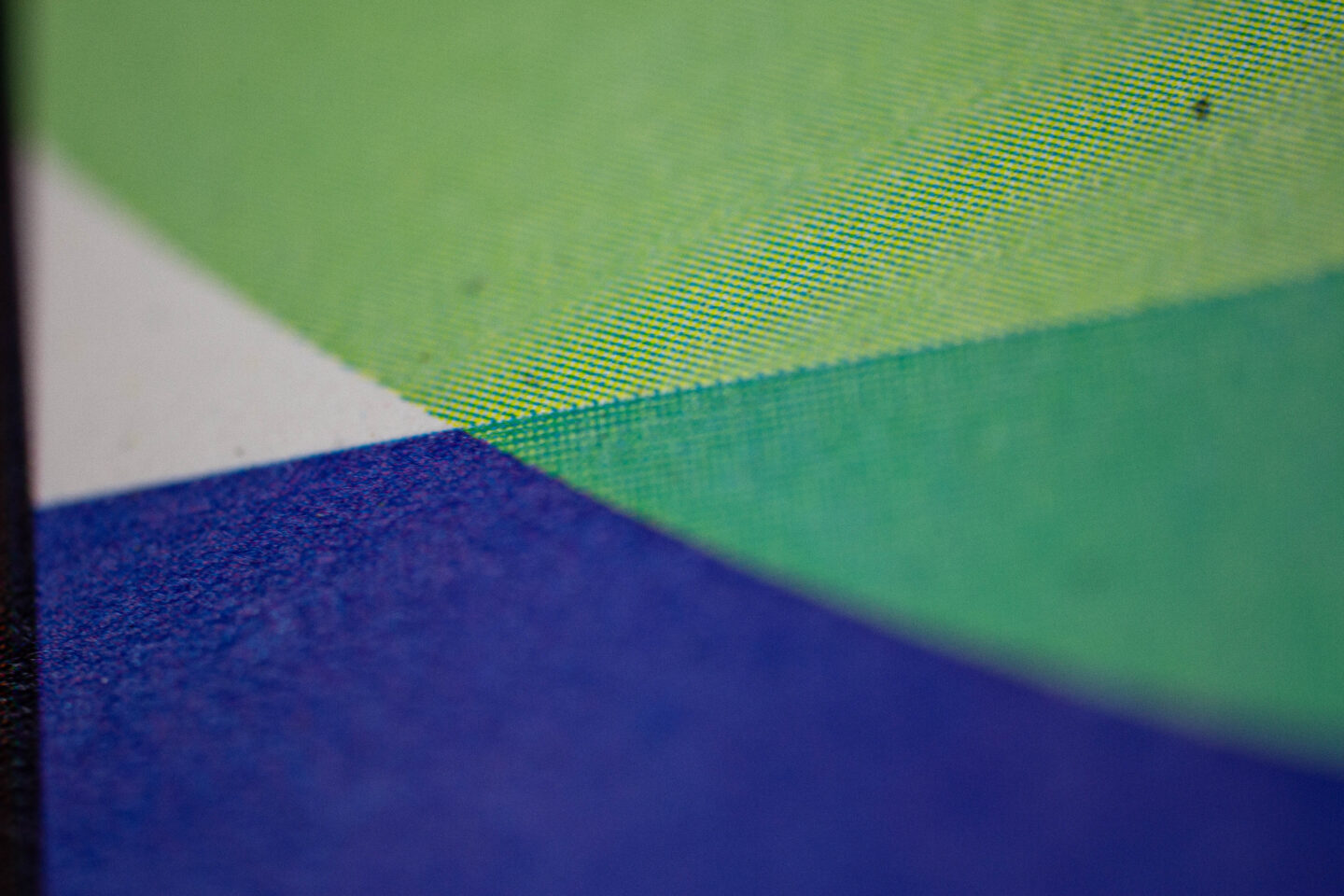
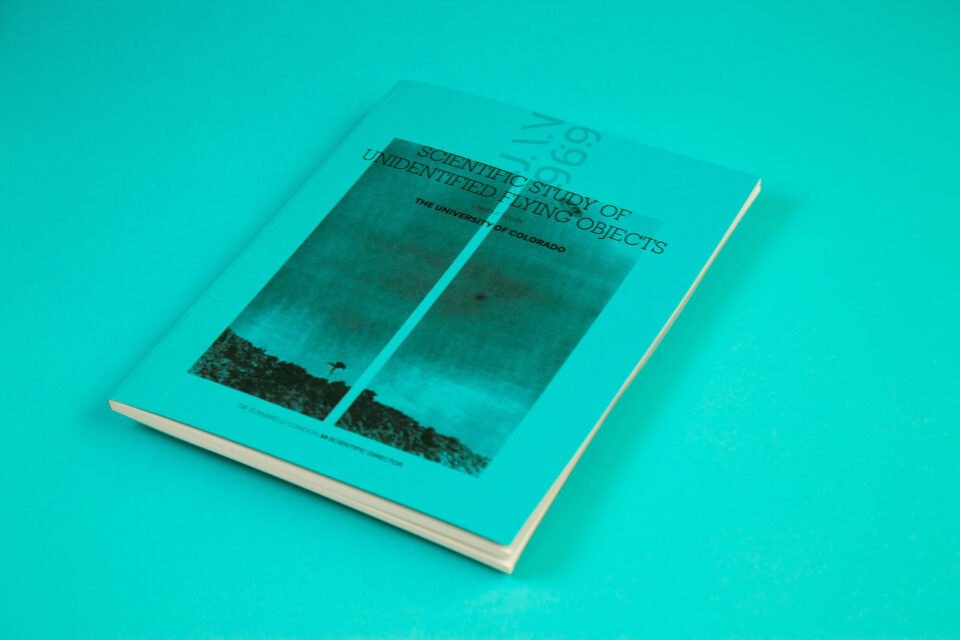
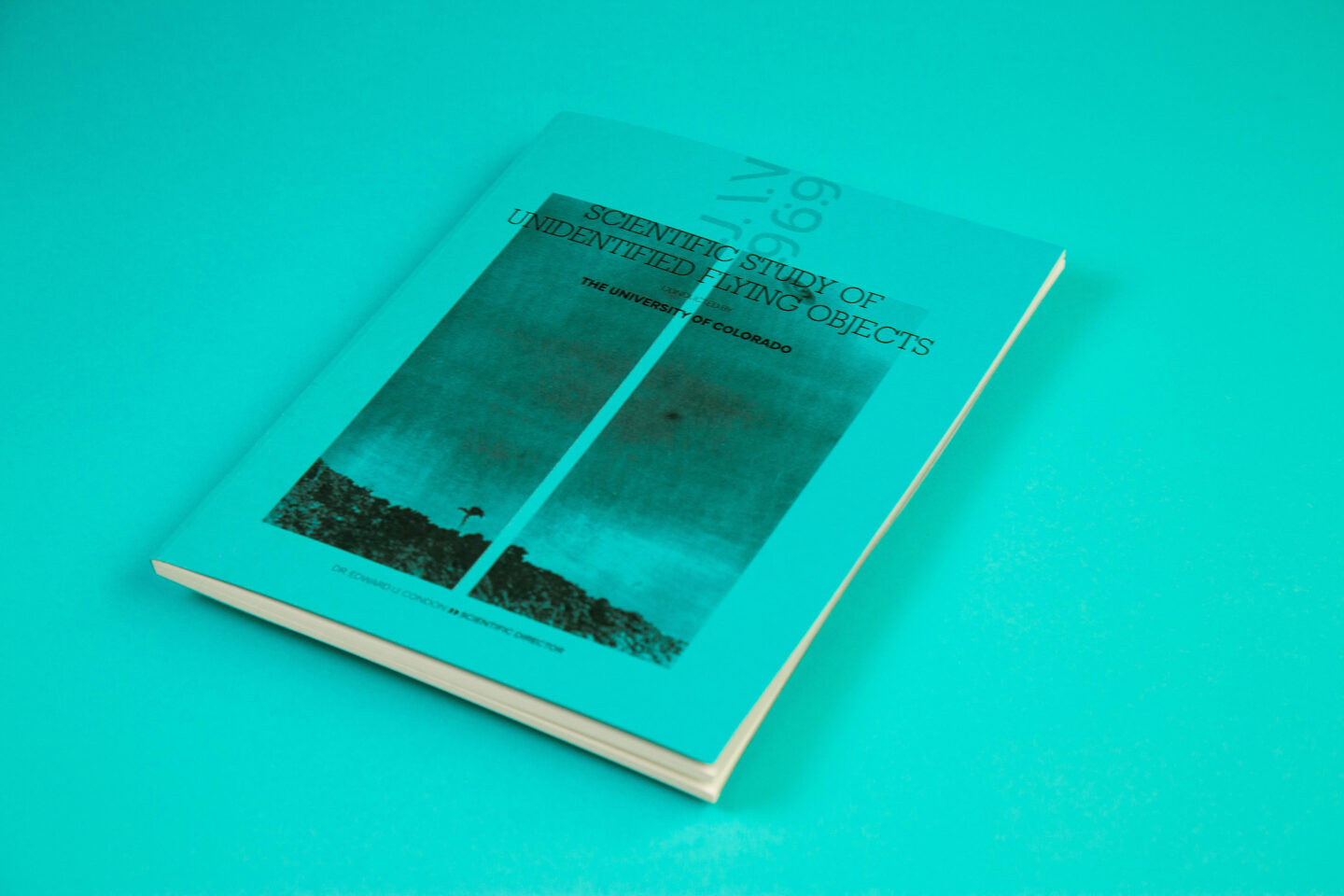
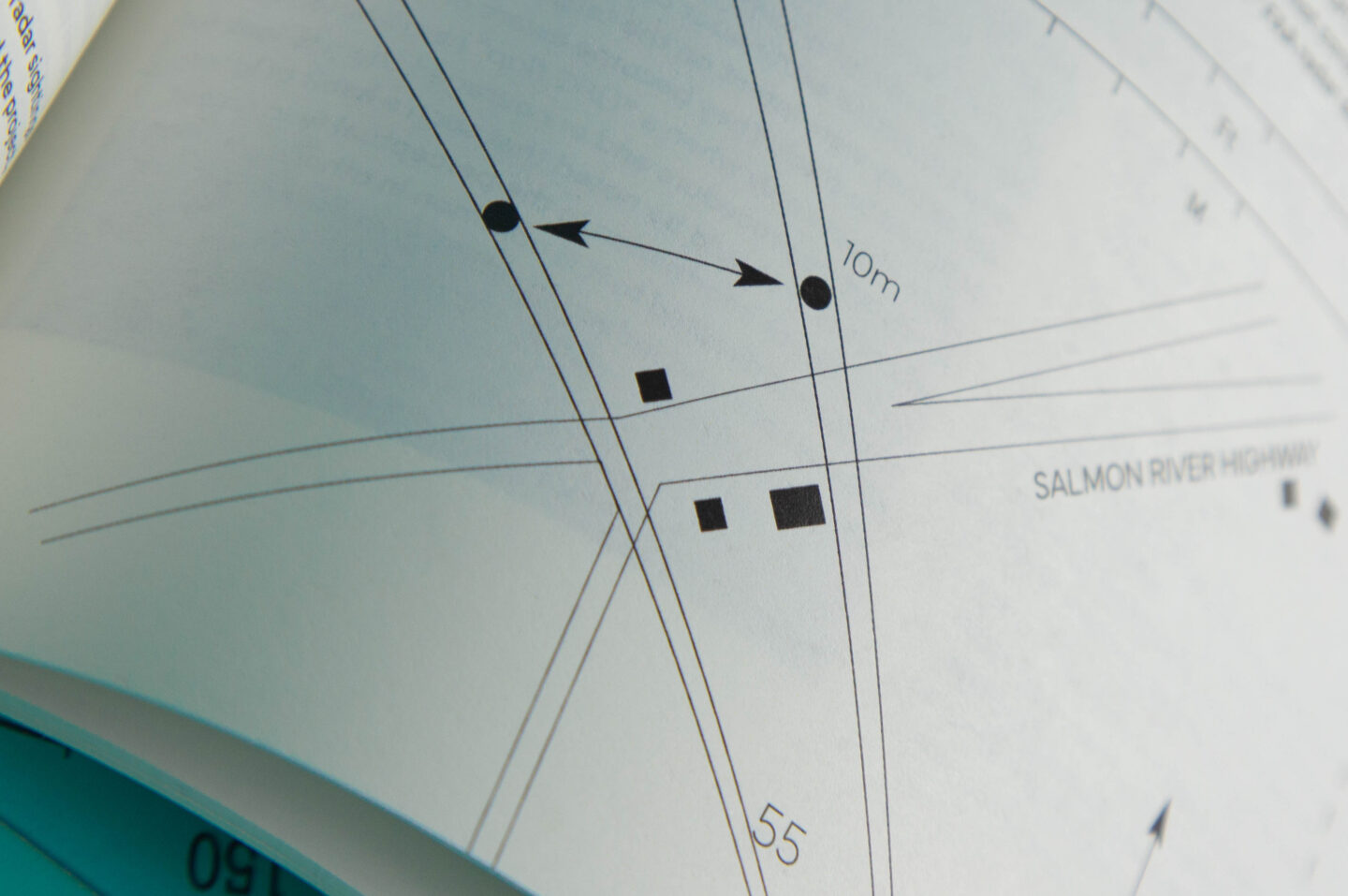
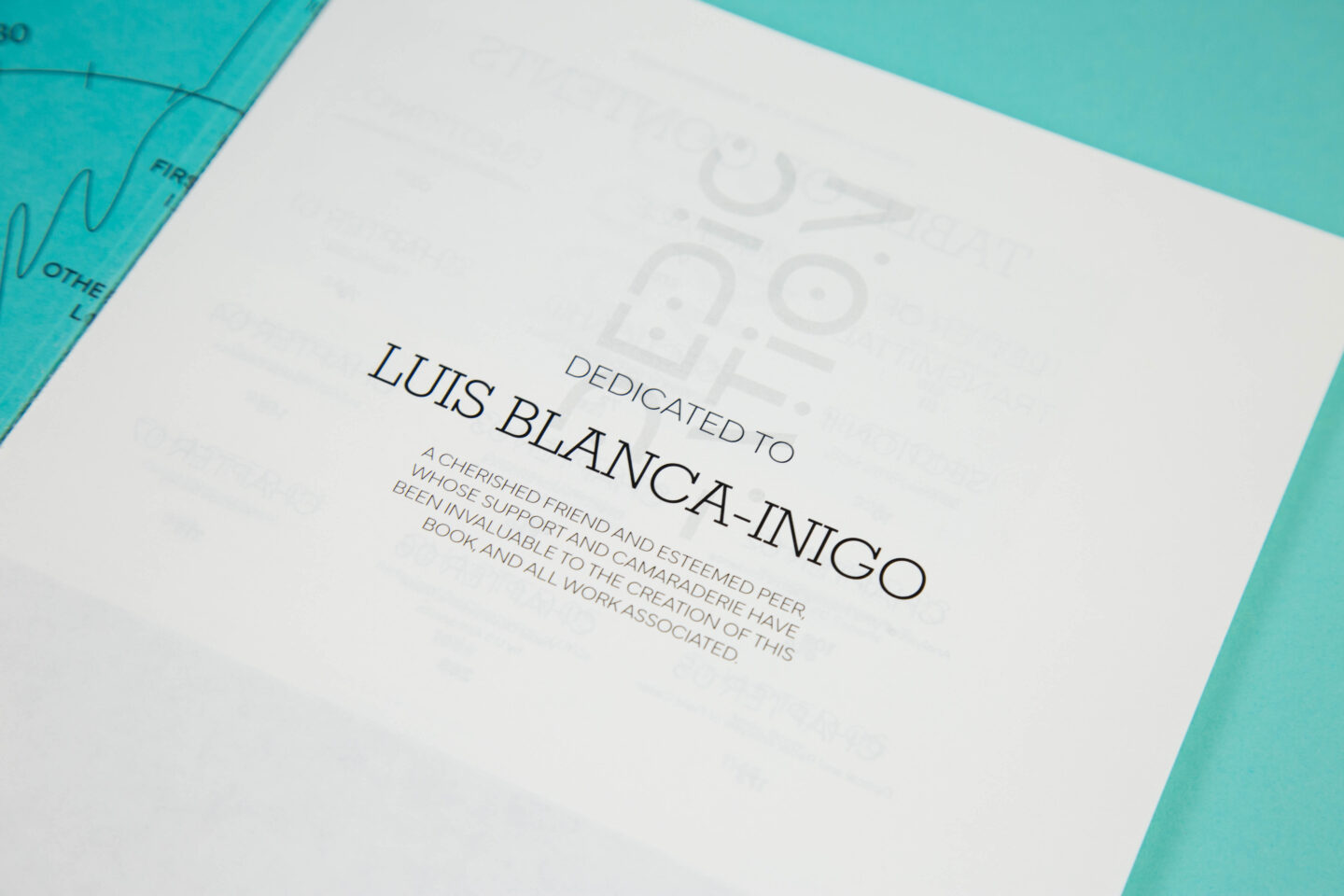
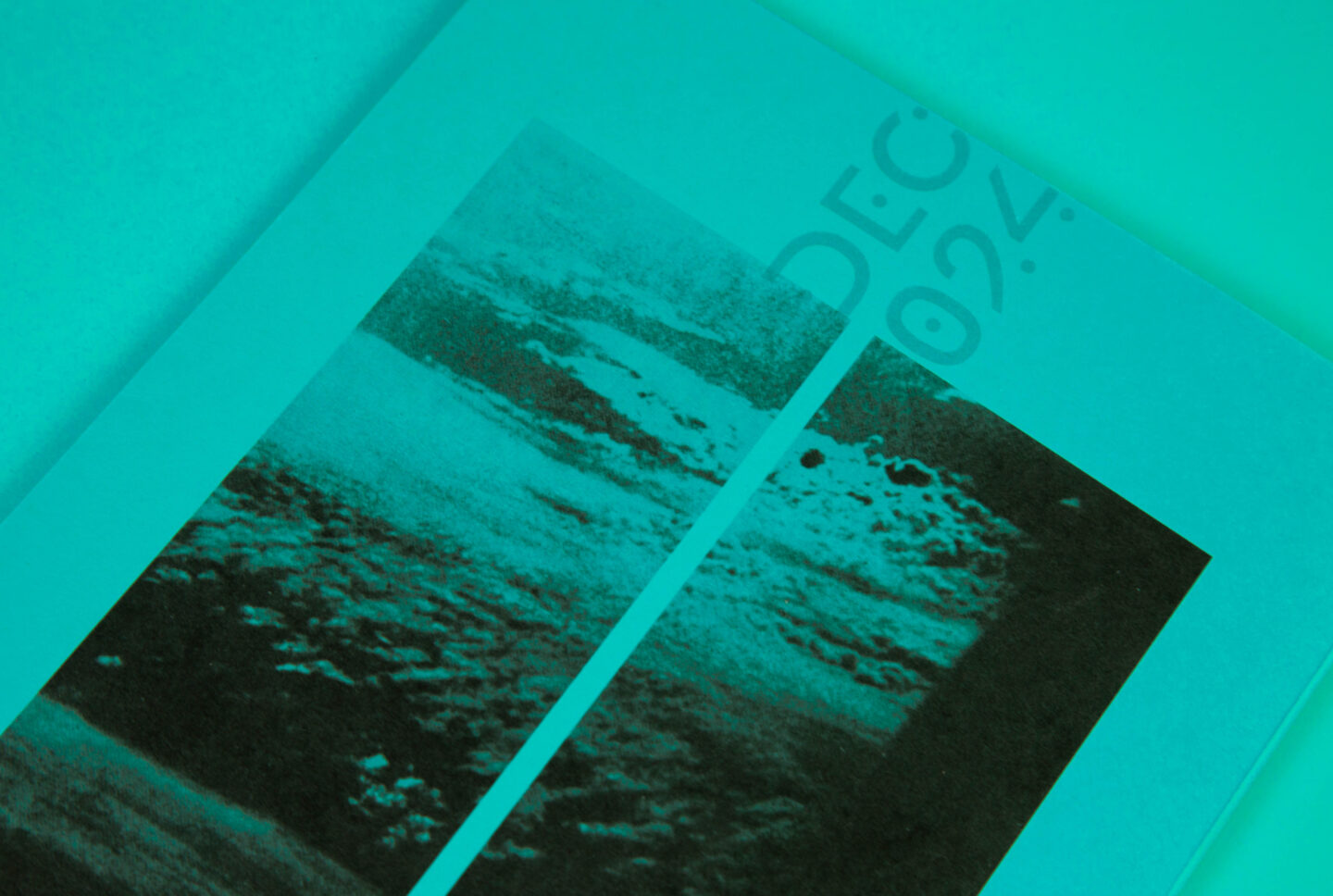
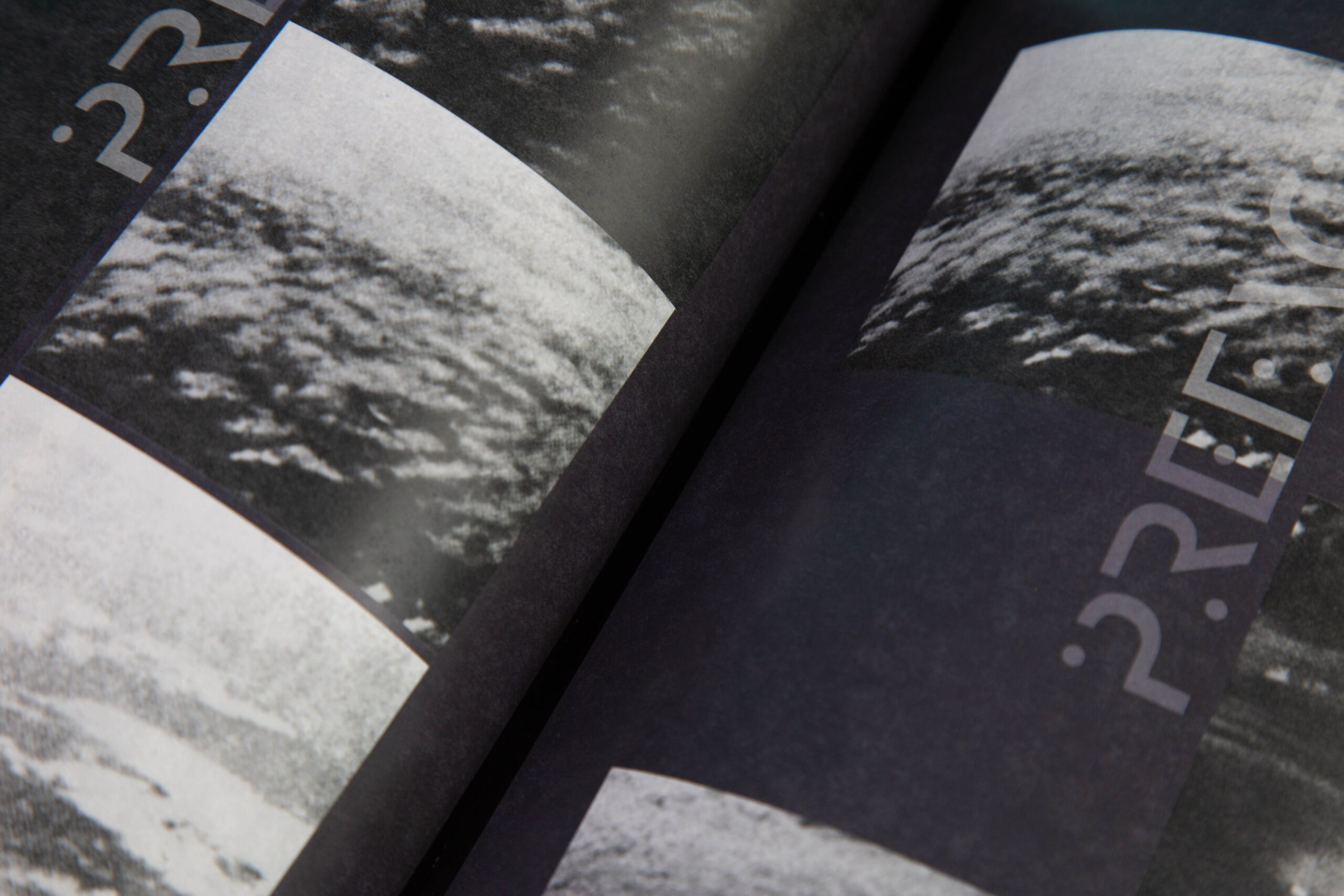
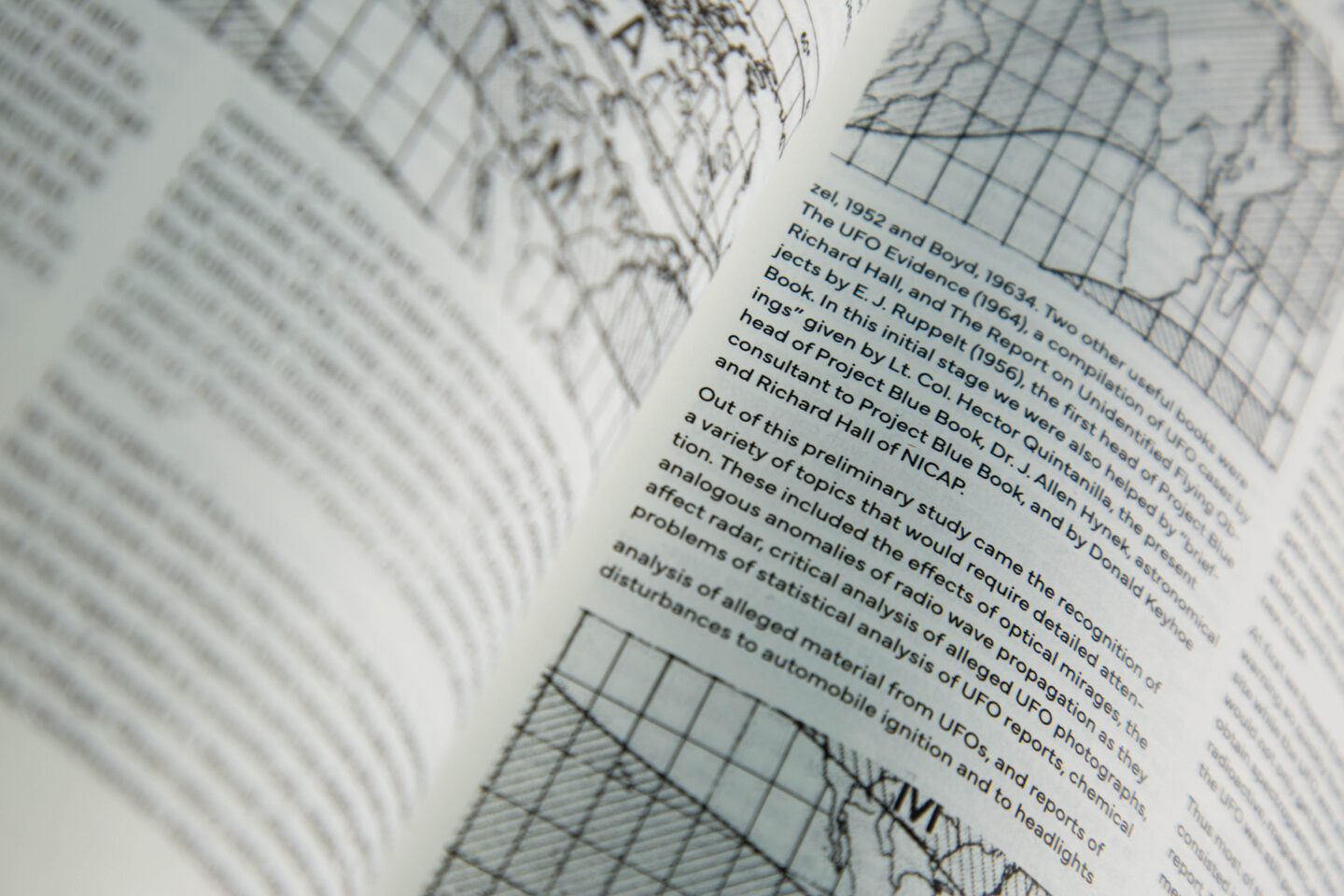
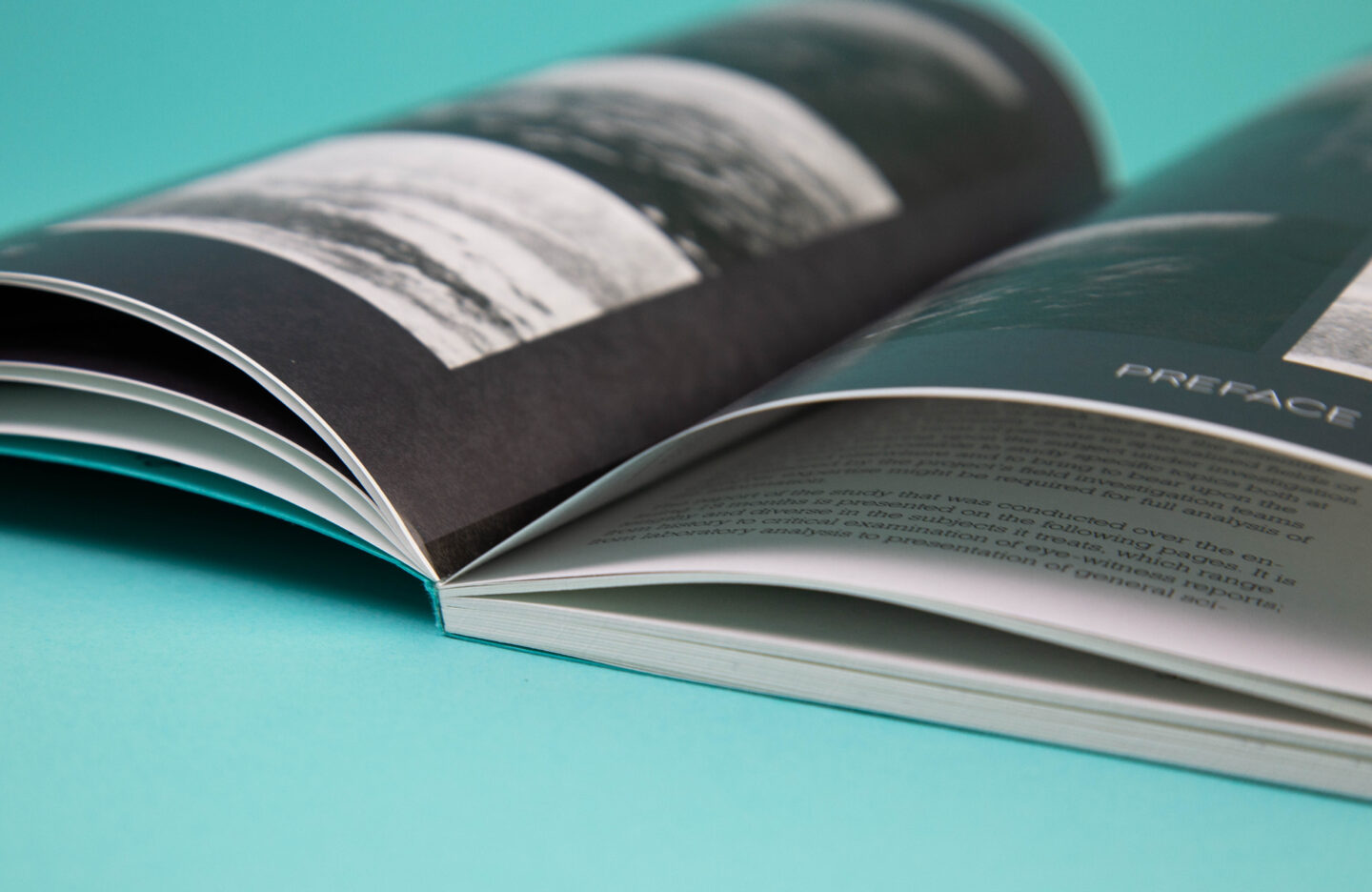
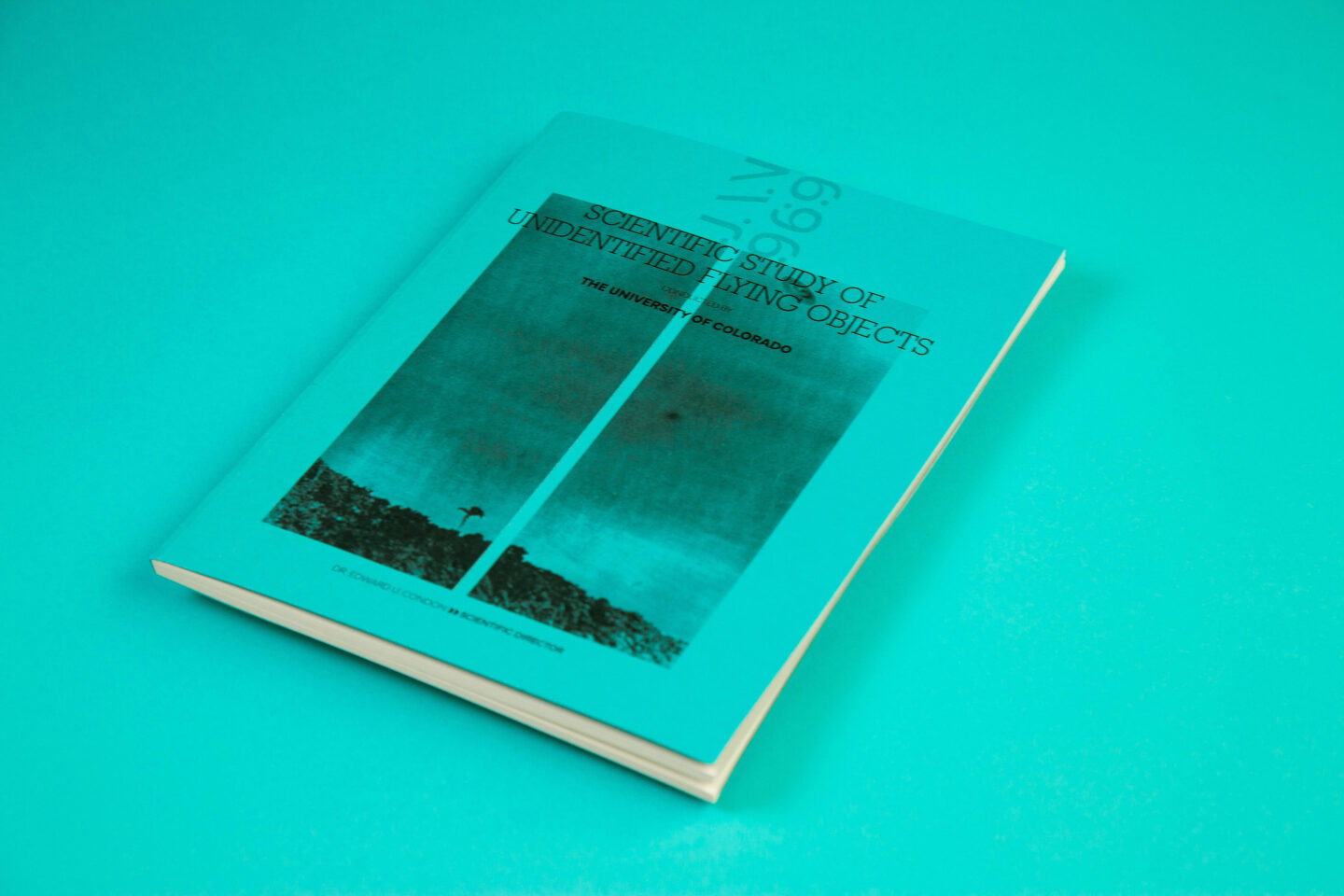
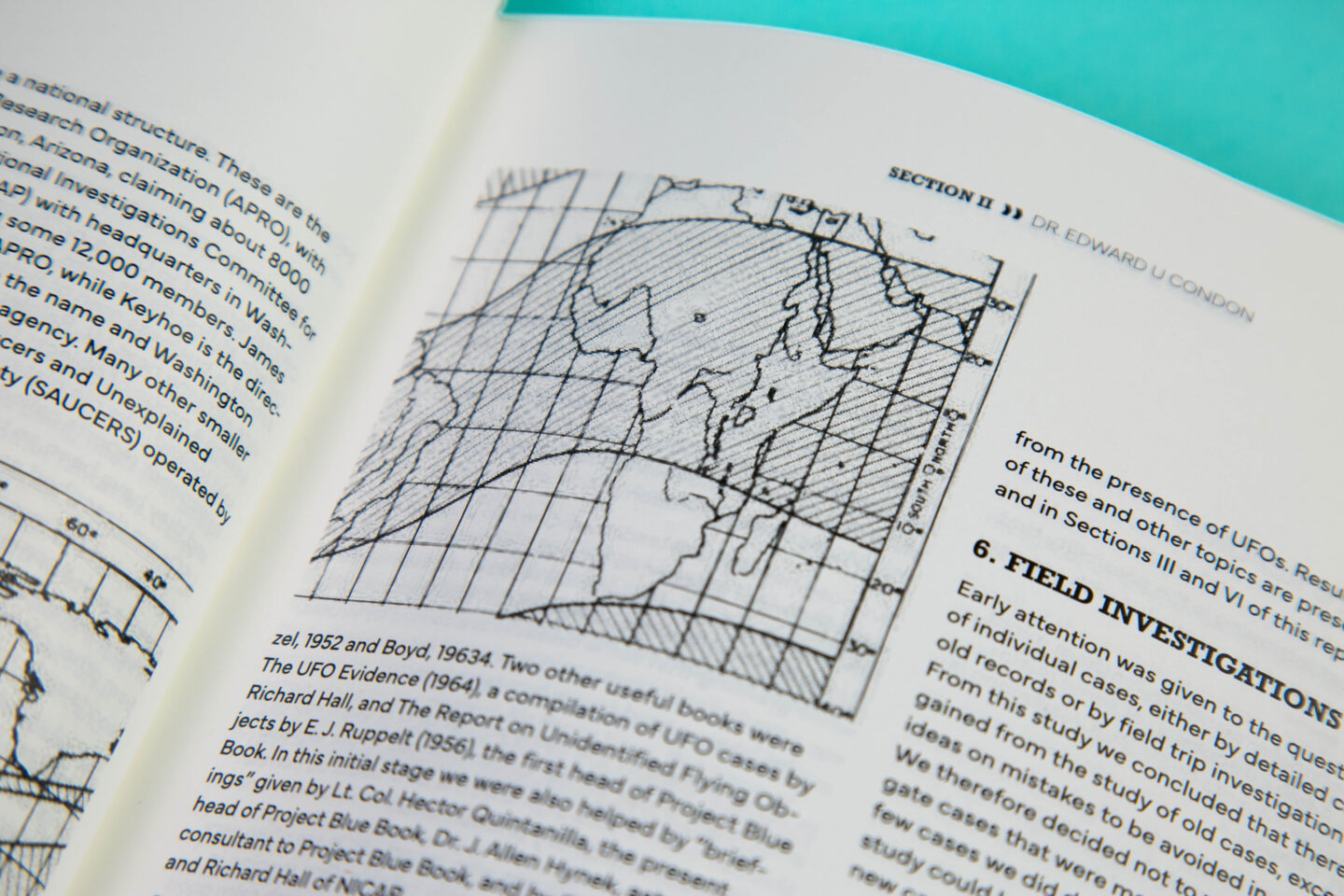
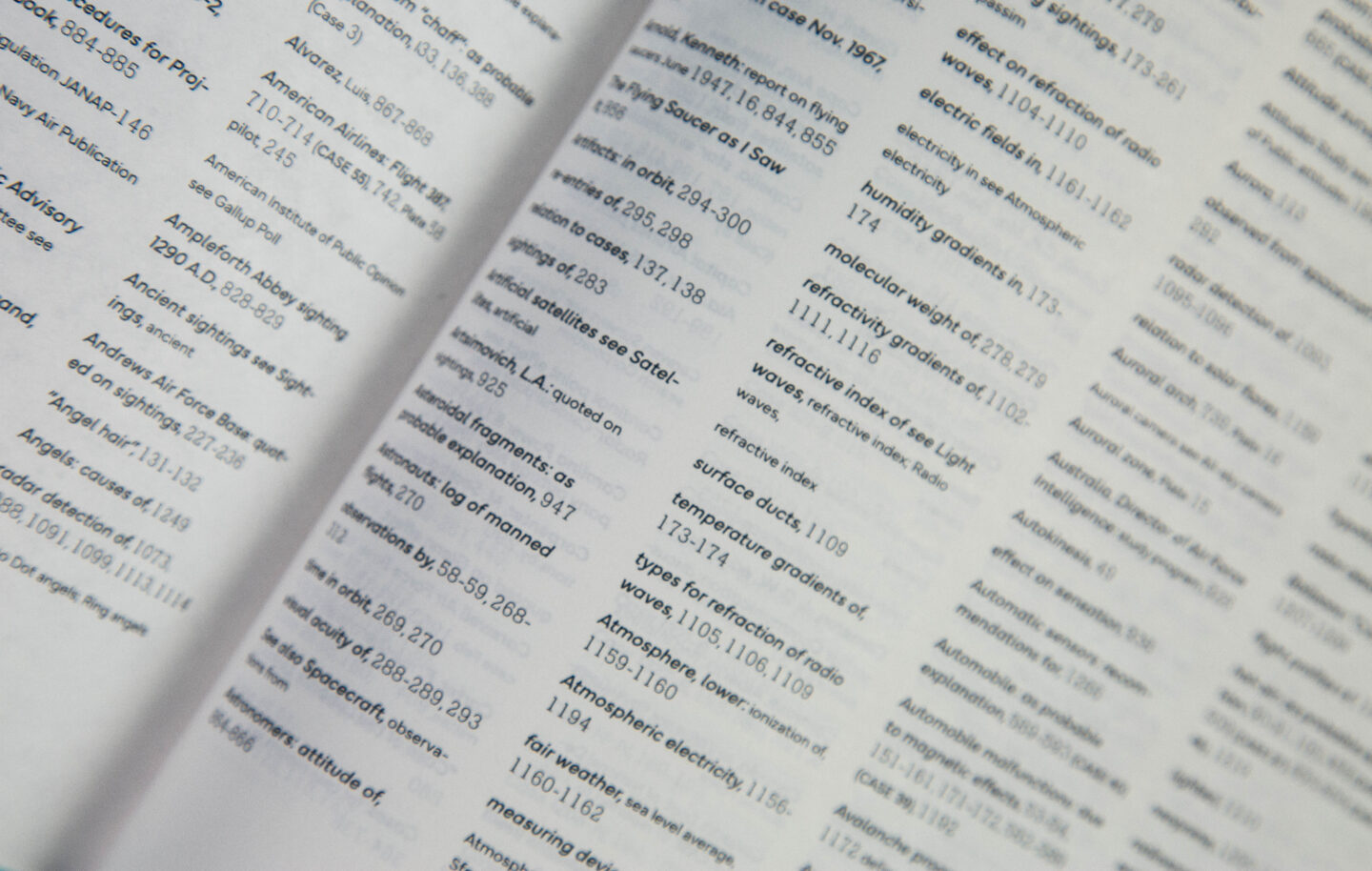
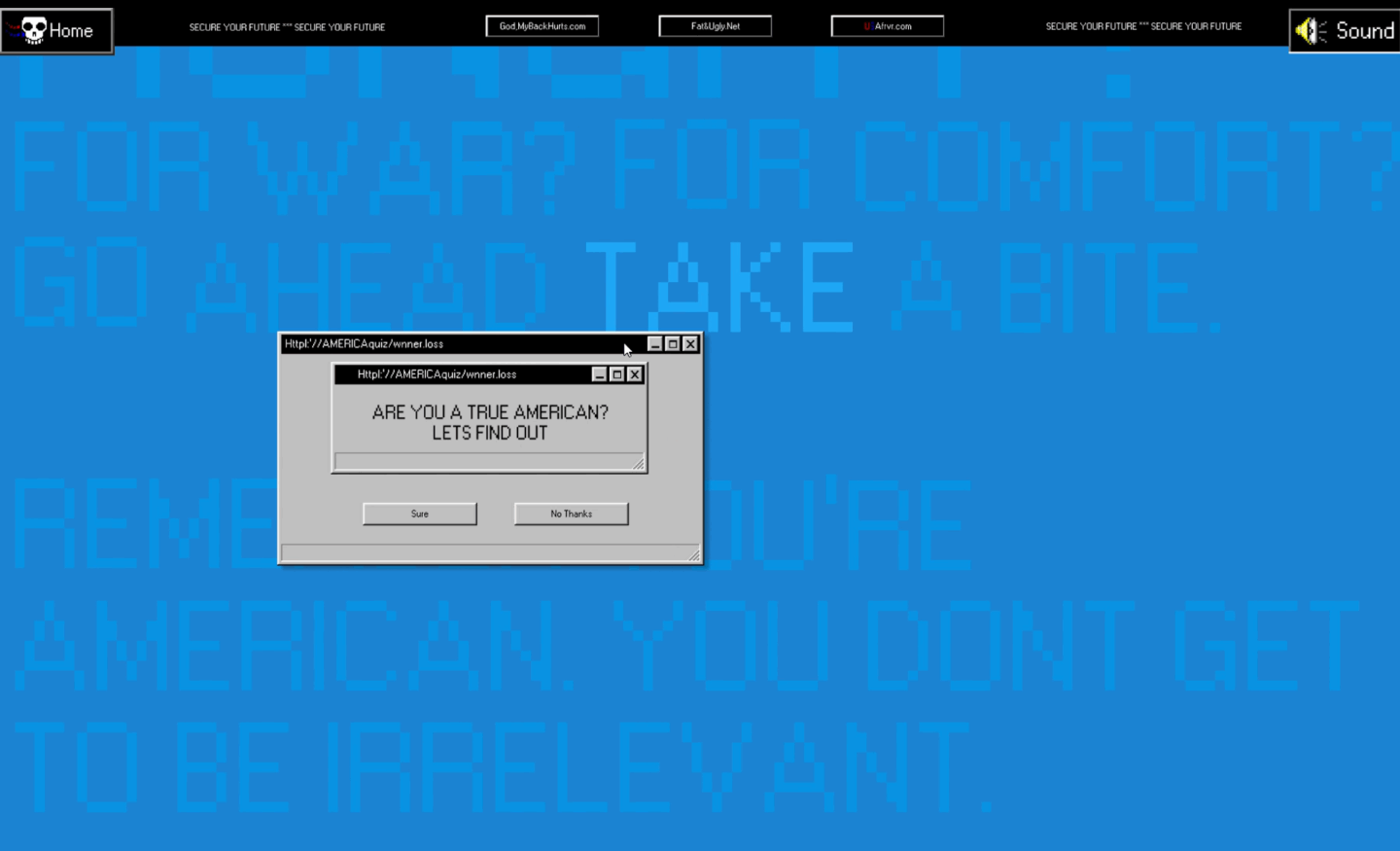
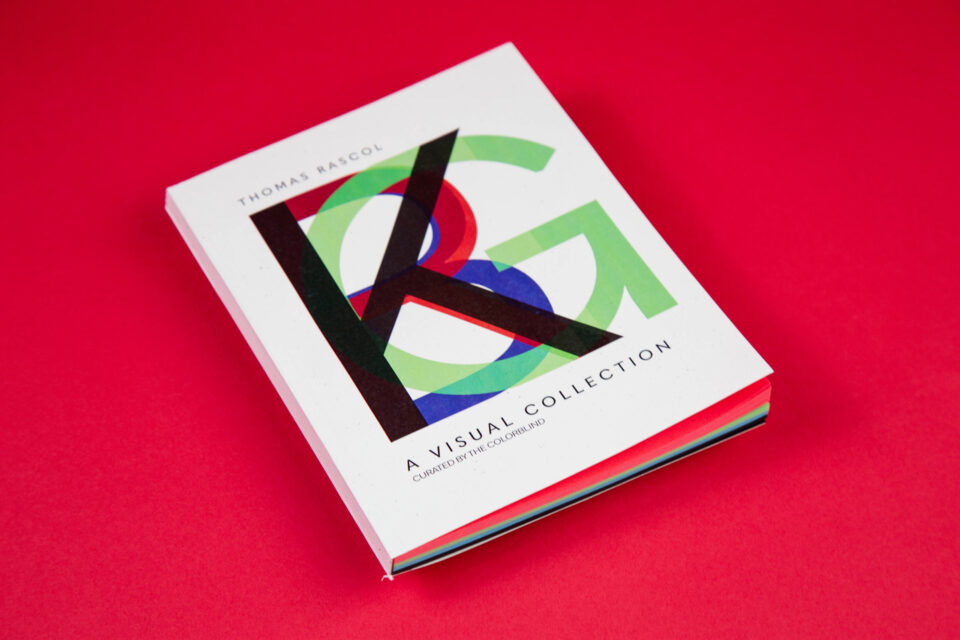
The Design Archive project, also known as RGBK, is a collection of seventy design works from across design history. Its purpose was to bring a personal perspective to the history of design by highlighting an identity shaped by colorblindness. RGBK is organized into four distinctive sections: red, green, blue, and black. This structure was designed to highlight color and emphasize different kinds of light while integrating the concept of colorblindness. The works themselves were curated from a variety of online digital archives, selected for their alignment with both a design philosophy and an aesthetic that resonated on a personal level. Each composition is bisected by a strong hangline, with the top half devoid of the primary wave of light present in the original. For instance, a work with primarily red has the red removed in the top half, leaving only its blue and green components. This treatment illustrates the scientific basis of colorblindness, in which a defective light-receiving cone alters the perception of light. This scientific functionality established the publication’s identity and became the foundation of the project. Balancing these conceptual ideas with the systematic nature of an archive presented challenges, particularly in terms of legibility and scannability. The shifting color palettes introduced depth but also made the text difficult to read in early iterations, at times approaching complete illegibility. Careful adjustments were required to balance visual experimentation with functional clarity. This process emphasized the importance of refining details so that the final archive not only appeared striking but also retained structural and conceptual integrity. In the end, the project became both an achievement and an educational experience, demonstrating the balance between aesthetic experimentation and the practical demands of functionality.