Graduation

2027

Skills
  • Motion design
  • Editorial Design
  • User experience (UX) design
Employment Badge

Type & Space in Design History

Type & Space in Design History
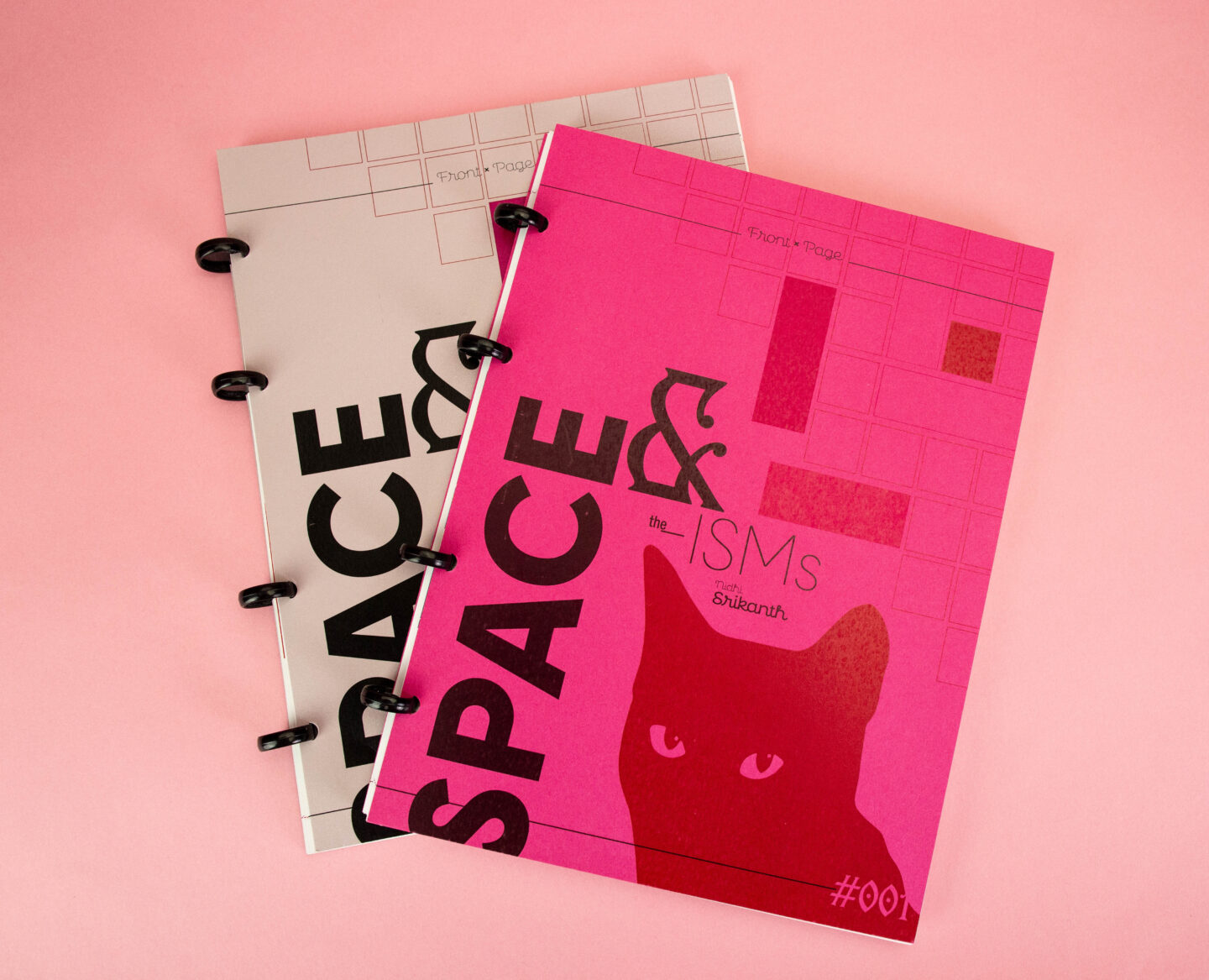
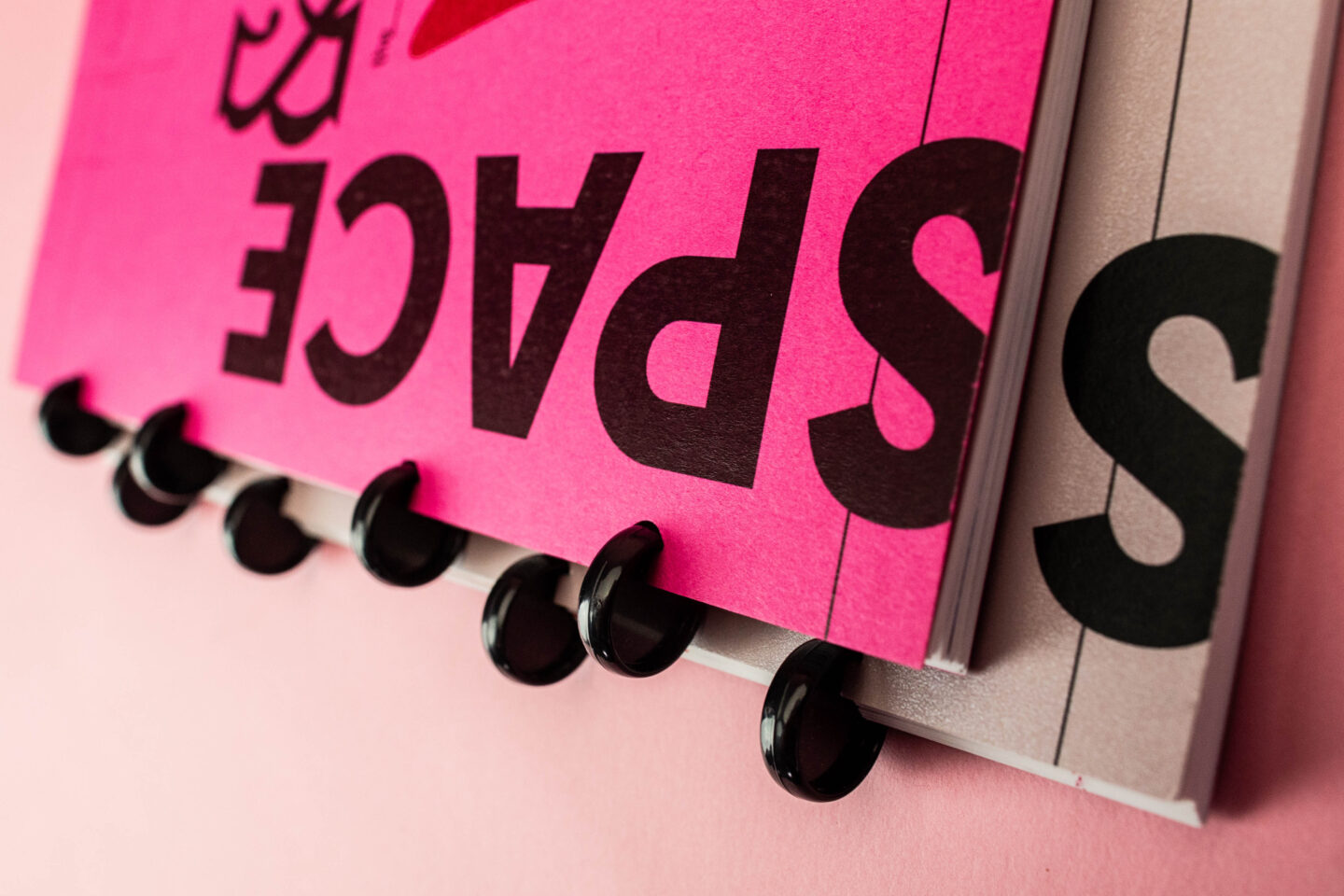
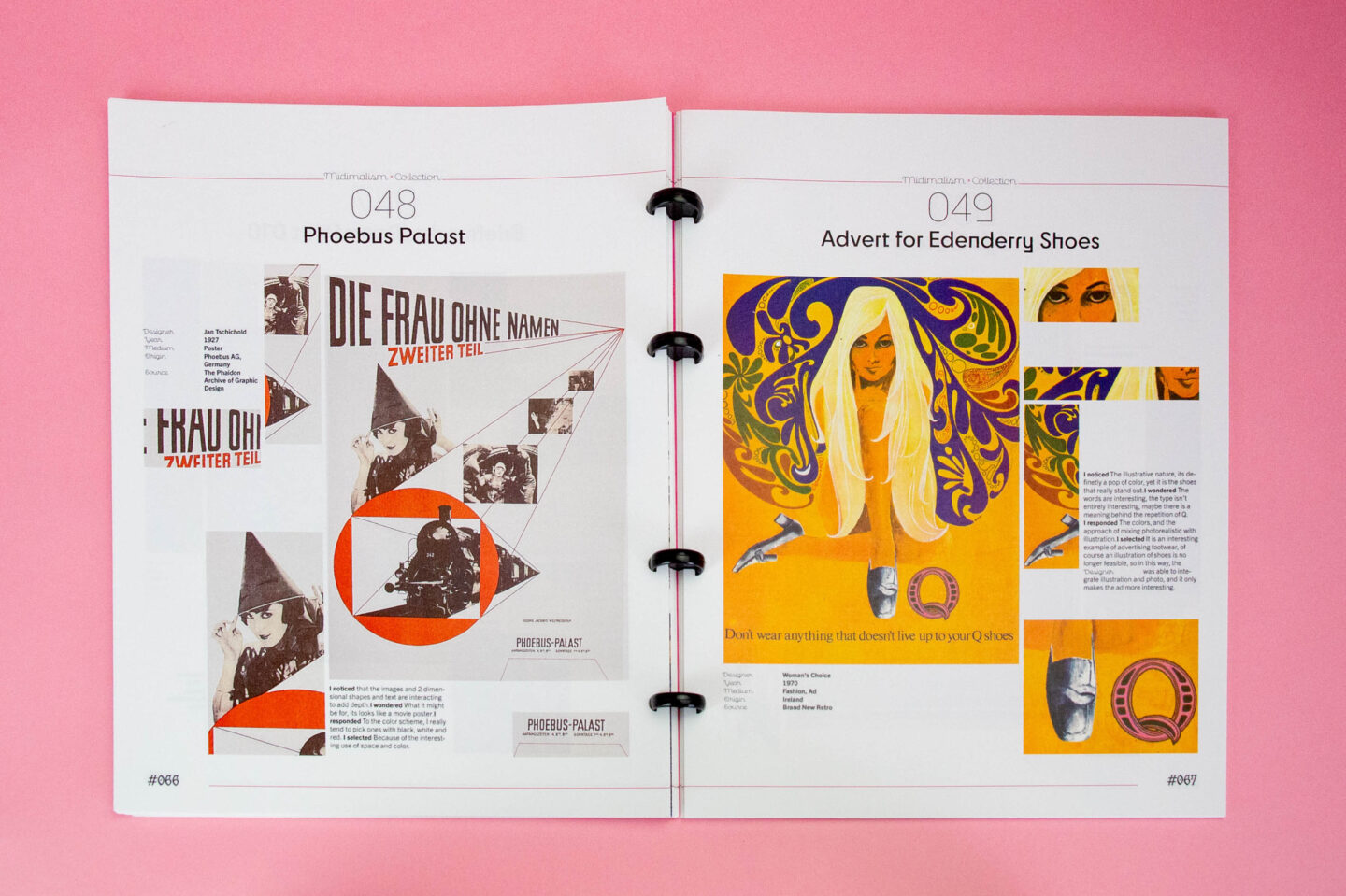
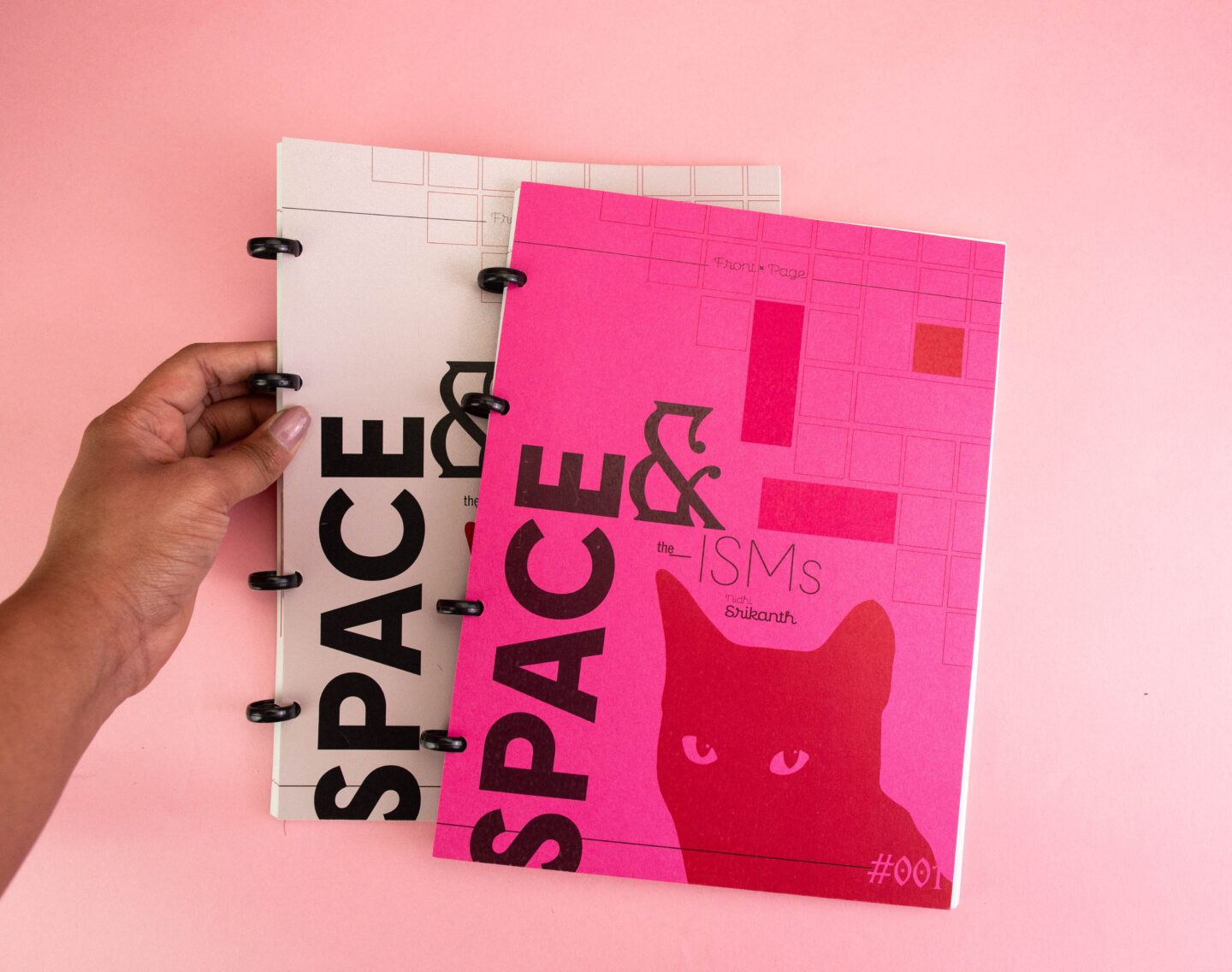
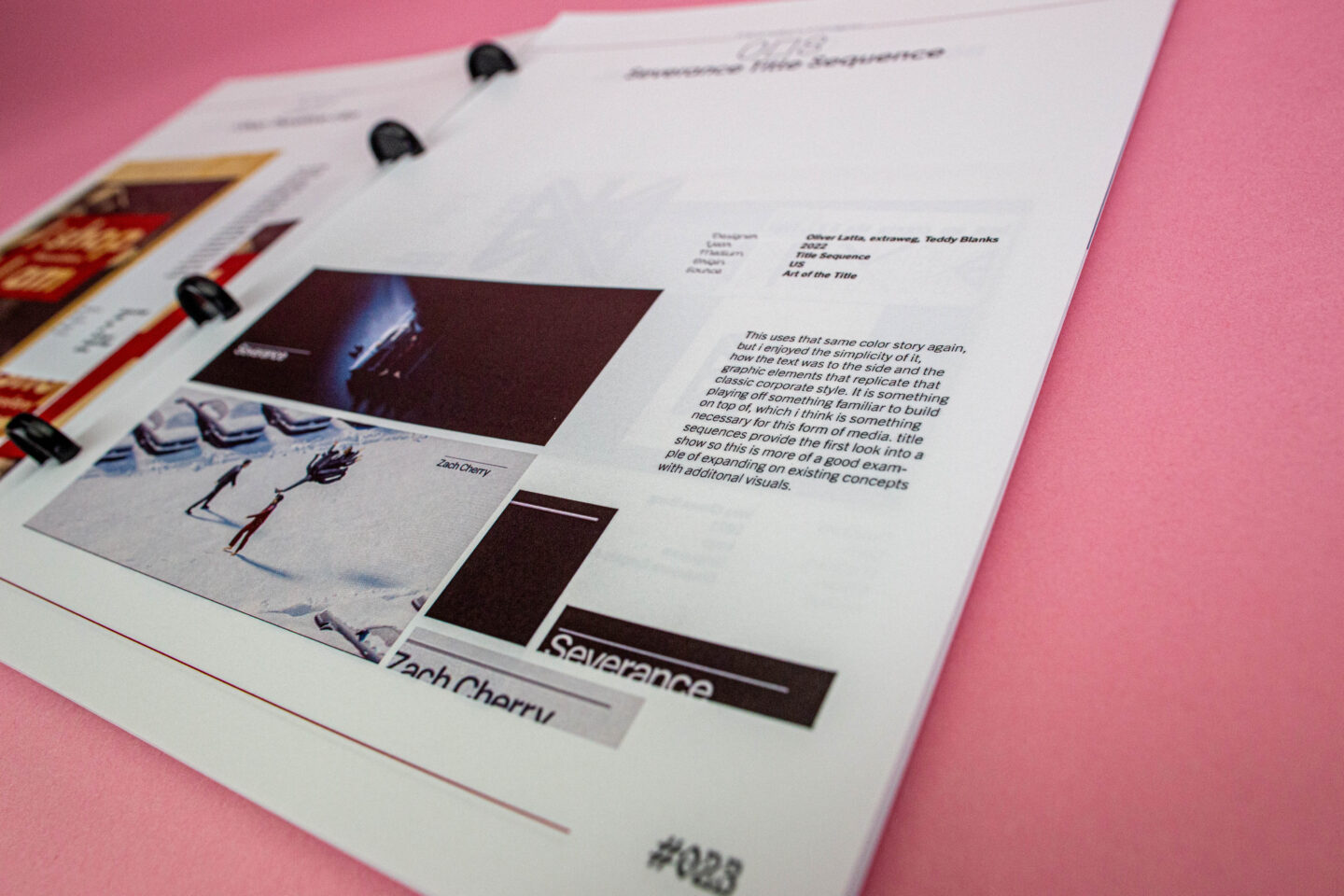
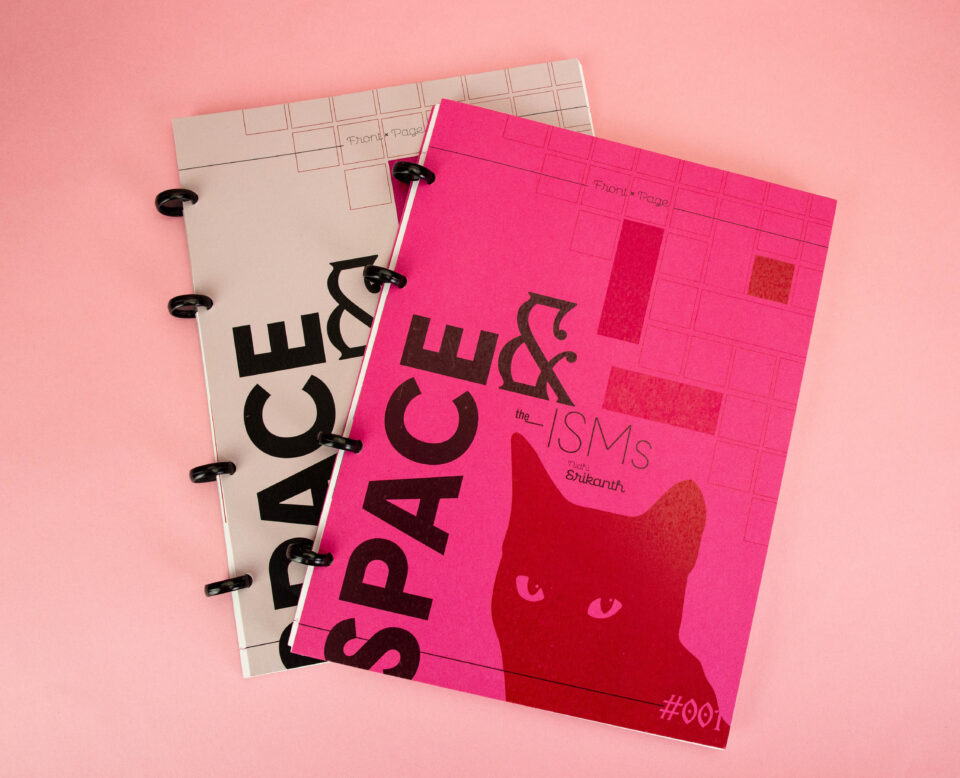
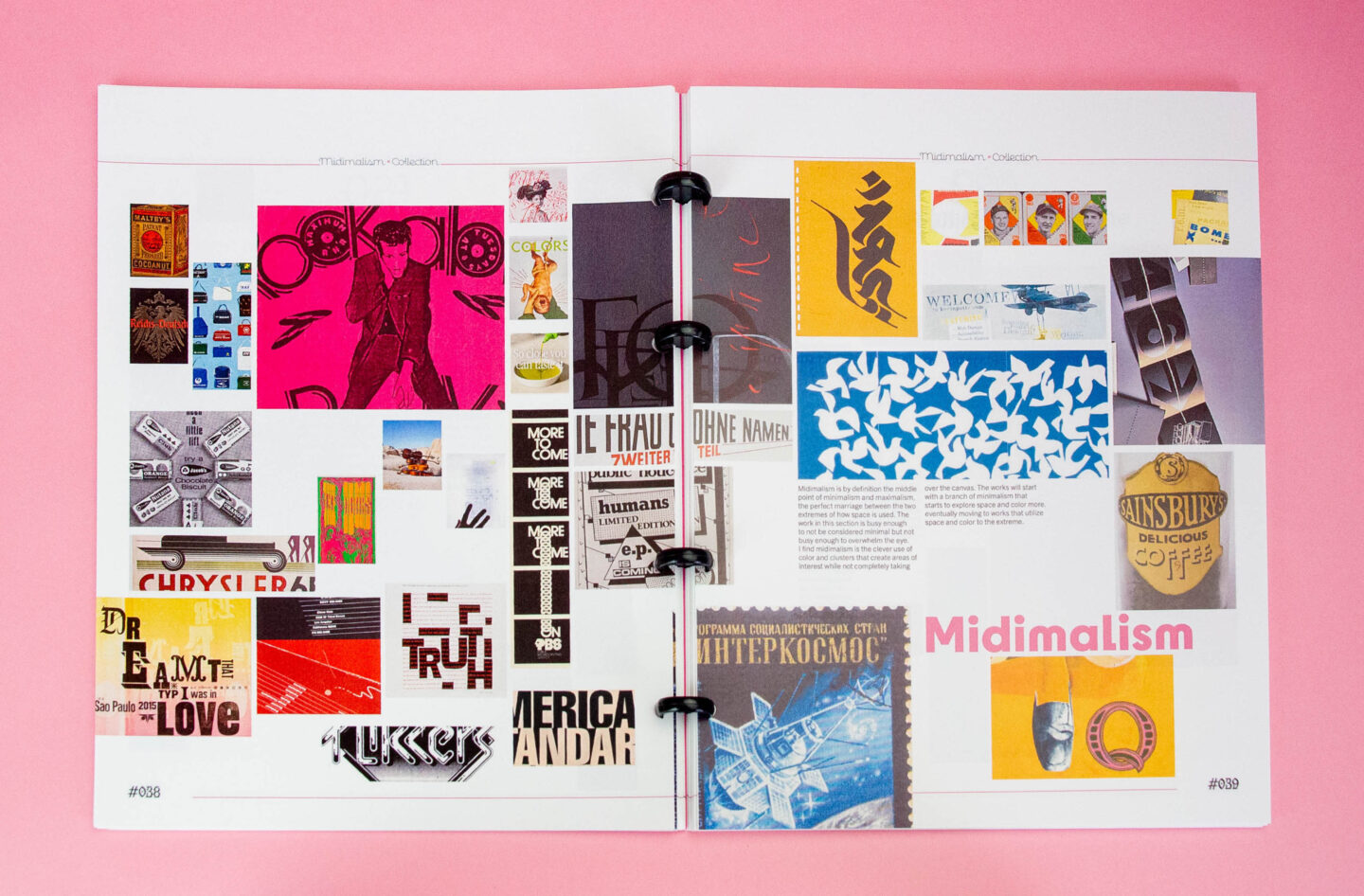
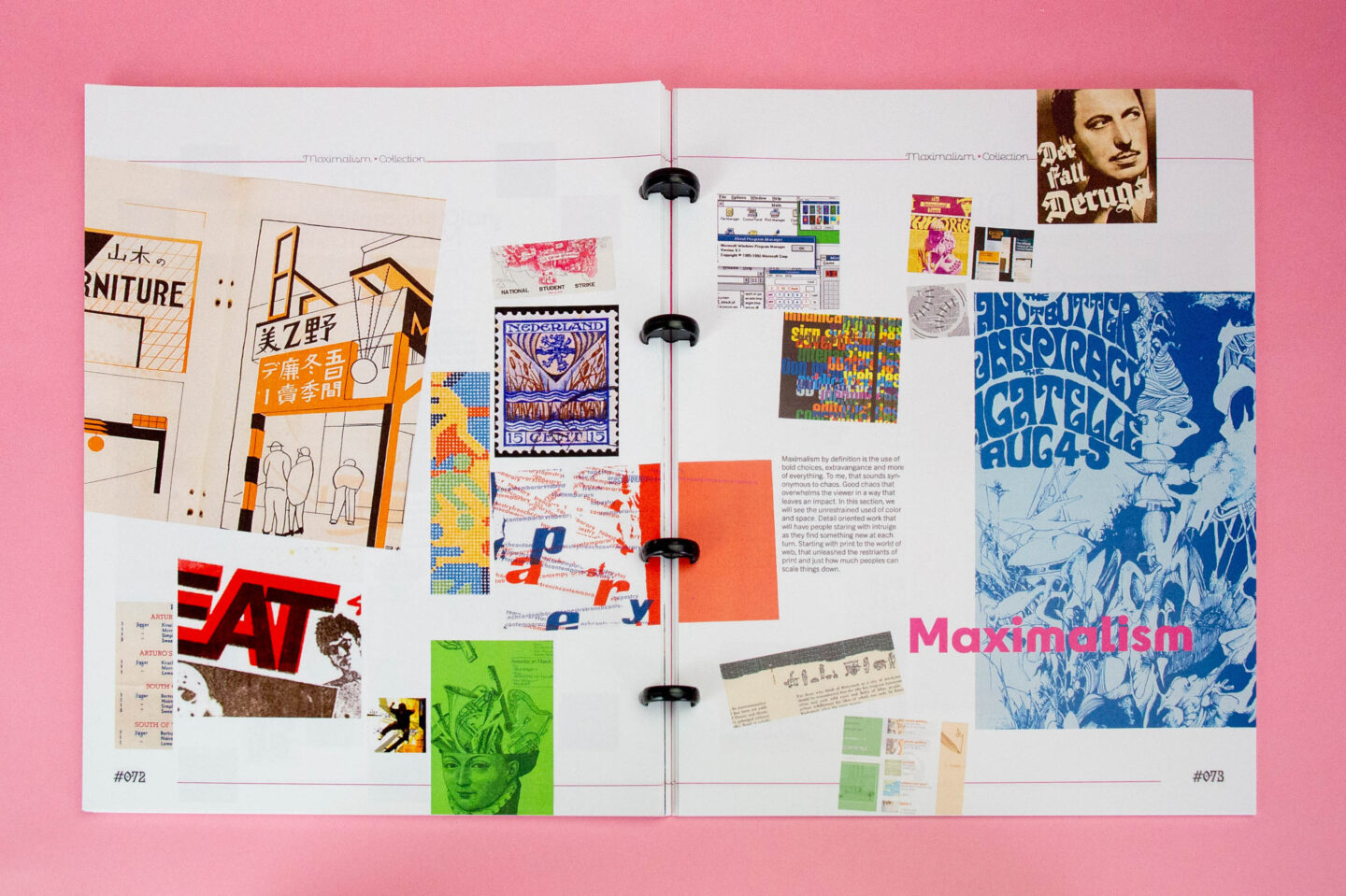
Building an eye for design and having a keen sense of what inspiration is intuitively being drawn from is a form of self-reflection, so, creating an archive that not only allows for this retrospective look at design preferences while also prompting expansion outside of the design canon to work outside of the Eurocentric lens sets a precedent of looking outward to a variety of work. This project emphasized the importance of remaining culturally educated to create designs that reach as many people as possible. The process started off with exploring different digital archives in the nooks and crannies to find pieces that intuitively interest the eye. Then, they proceed to sort and detail each piece in Fig Jam in different ways, trying to find a pattern among them. This specific collection was curated with a spectrum from mid-century minimal design to the maximalist designs from later in the century. The concept became exaggerated through this juxtaposition in the archive publication by the slow increase of interesting details in how each piece used the space from minimalist designs to maximalist designs. This became a self-discovery in terms of the spectrum of interests, a benchmark on how other design work can be appreciated in the future.
The Invigorating Title Sequence for 'Stalker'

The Invigorating Title Sequence for 'Stalker'

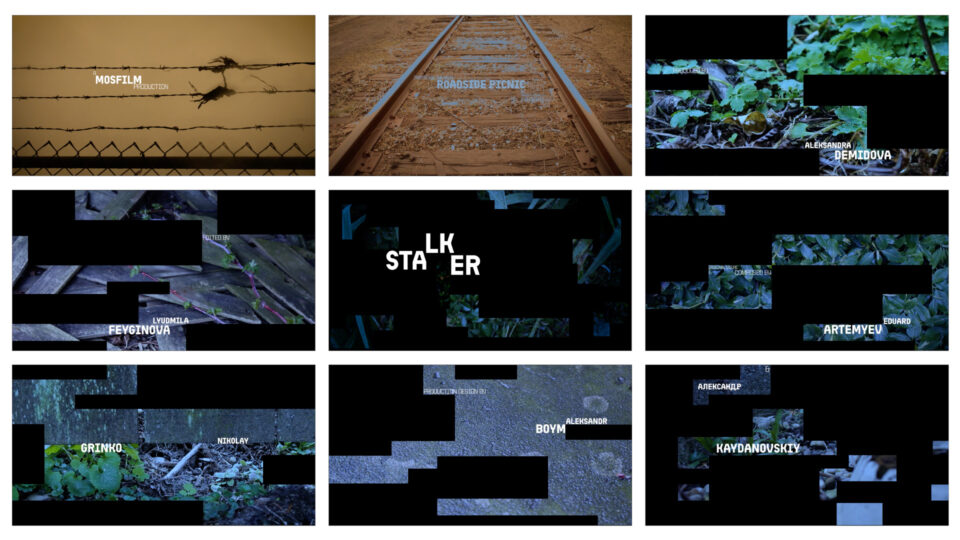
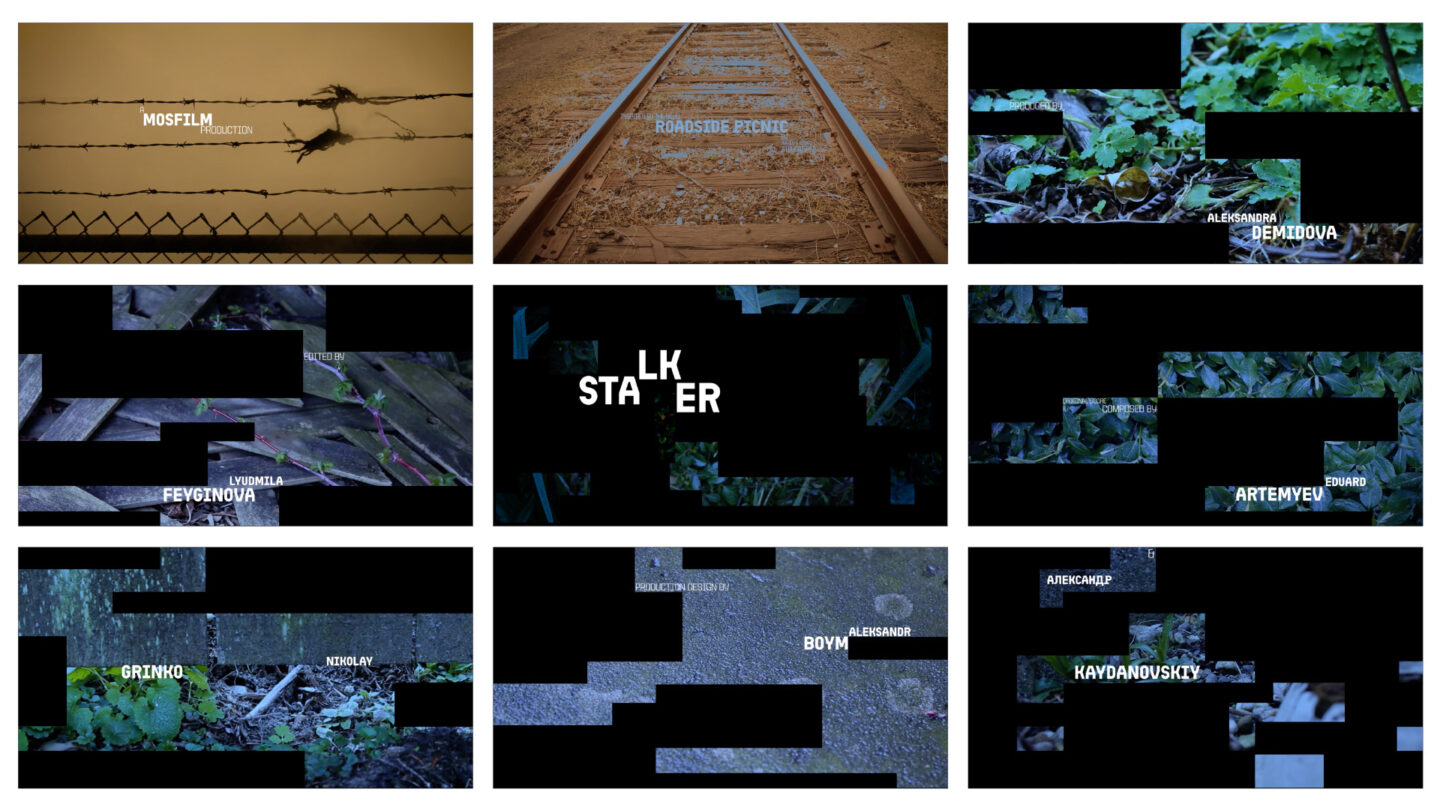
Research, Videography and Motion Graphics with Elise Sansbury. Andrei Tarkovsky's Stalker was riddled with symbolism that lends to a lot of visual language to explore within a re-imagined title sequence. The intention was to hint to the audience the themes of the movie without revealing too much by bringing forth interesting visuals integrated with type in motion. As partners, the research process of deconstructing the movie down to what the characters represented in the major theme of Faith vs. Logic culminated in a variety of visual themes that can be borrowed from the movie for the title sequence. The most important of them was the uncertainty of the unknown, in this case being the outside wilderness, so detailed shots of the wilderness that represent an overgrown civilization now covered in plants that had a mind of its own. The glitches slowly overwhelming the screen also hint at the progression of the story of the movie and the characters' development as they approach the climax. In addition, the original language of the movie was honored by integrating Cyrillic along with the English text and playing a part as an interesting typographic texture. In the end, the title sequence took into consideration the visual language and progression of the movie to be an adequate introduction to the themes it presents.
Greeting Cards on a Screen

Greeting Cards on a Screen

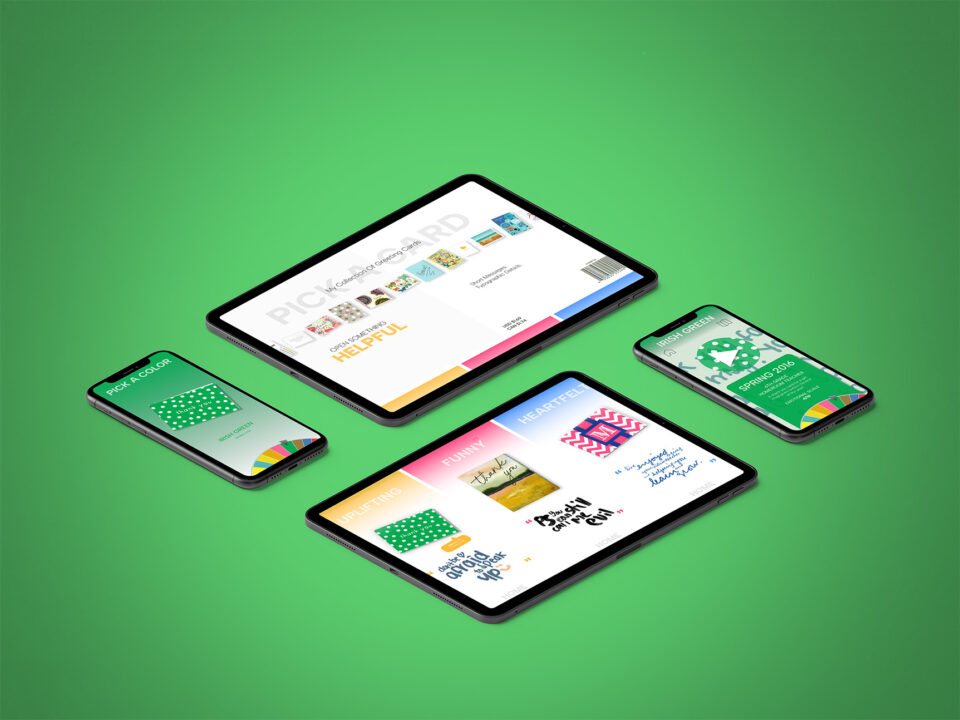
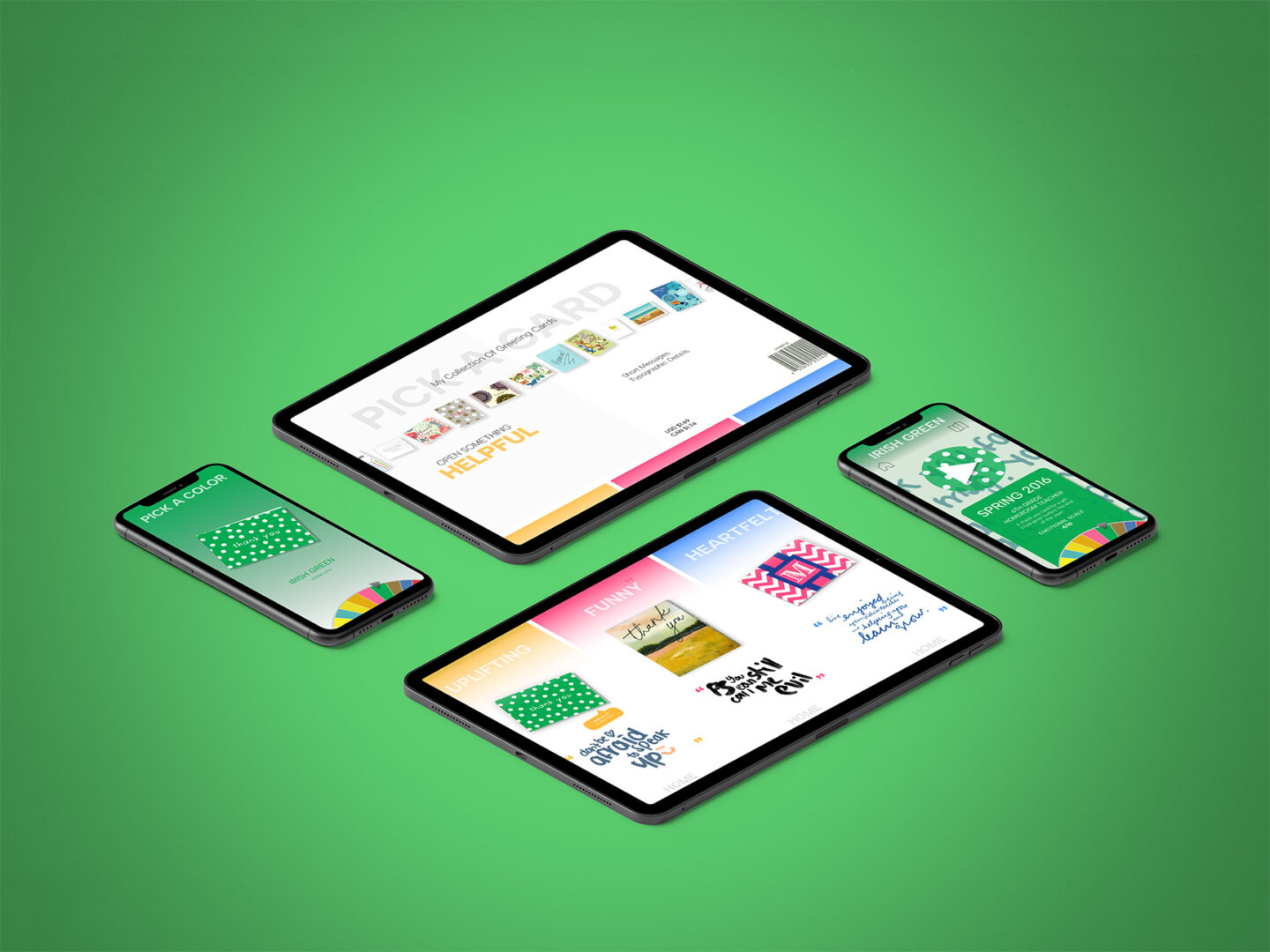
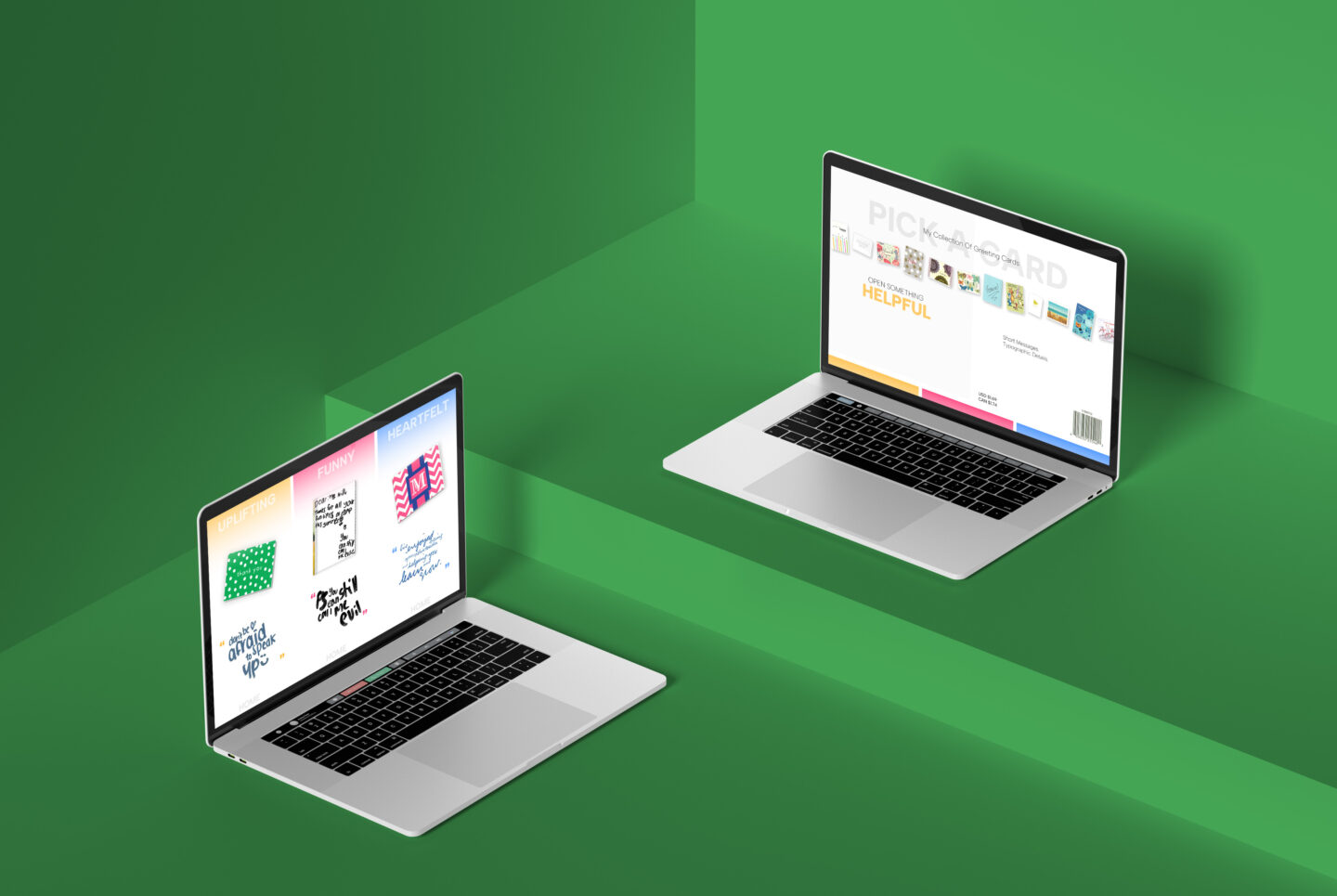
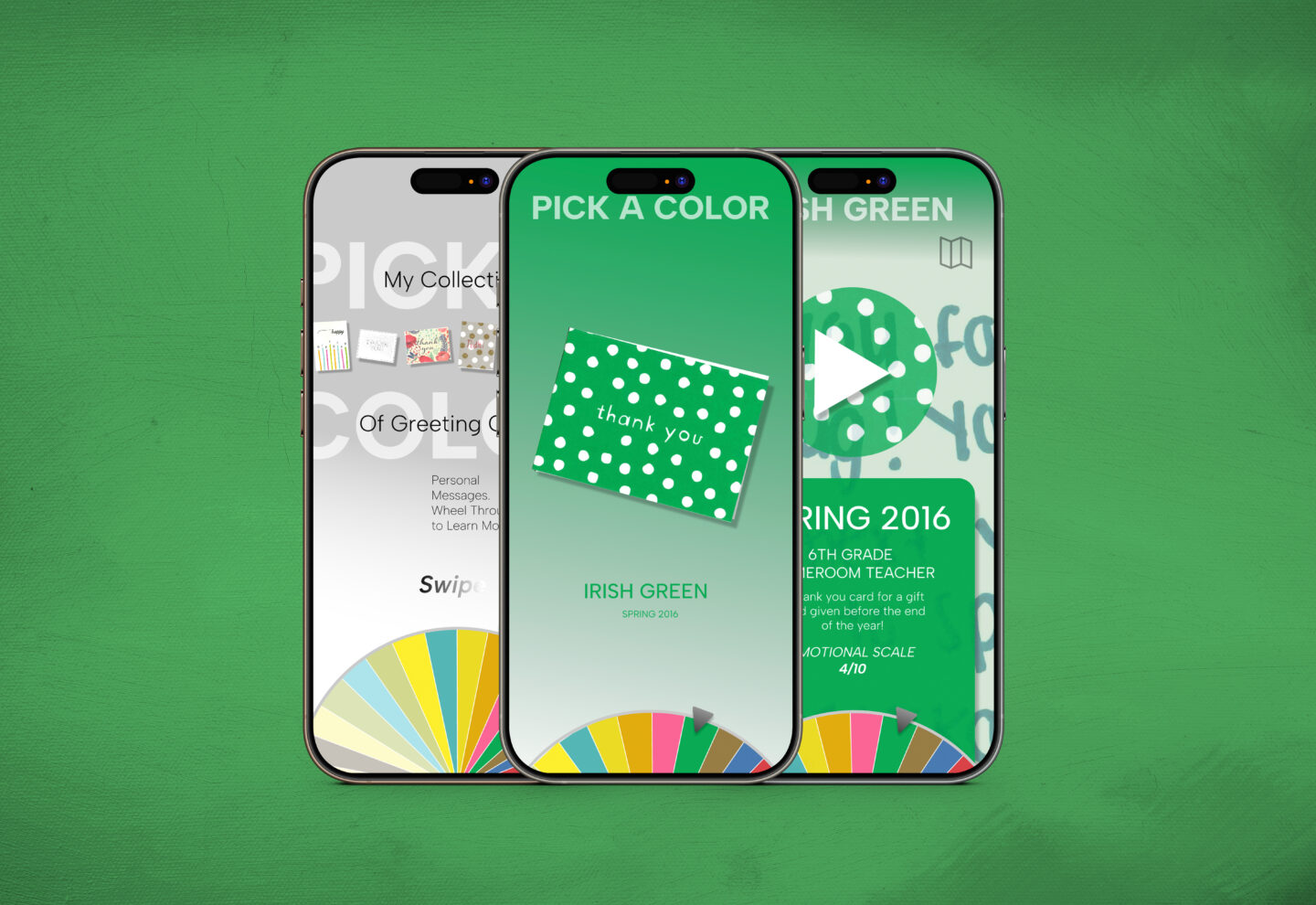
Archiving a personal collection means already having a deeper understanding of the subject matter prior to, but this project challenges to reimagine that collection of 20+ items in a digital space, while telling two different perspectives of the story. With this collection of greeting cards amassed over the years, how to differentiate between the mobile and desktop experience became the prerogative. Through the process of deconstructing and separating the denotation of a greeting card as an object from the connotation of it as a collection of memorabilia, the two themes for the devices became apparent. As a designer, the handwritings of messages hidden inside varying colorful cards became of interest, something that was further solidified through a persona with similar needs to curate the experience for those interests. So, the desktop experience focuses on the nuances of the card, from the act of opening to the special quirks behind each handwriting. Naturally, the mobile version focuses on the more personal side, categorized by color to show that range of the color wheel among the collection, while interacting with each card reveals the level of sentimental value along with other metadata. It was a particular challenge to find that middle ground on how the two experiences can look as if they are part of the same visual system, while each one explores the different facets of the collection. After finding that middle ground, it was a matter of integrating navigation that explored intuitive ways to explore the collection and maintain that attention with animations and audio recordings narrating the personal connection to each greeting card in the mobile version.

Mobile Archival for Senior Regional Collaborative

Mobile Archival for Senior Regional Collaborative

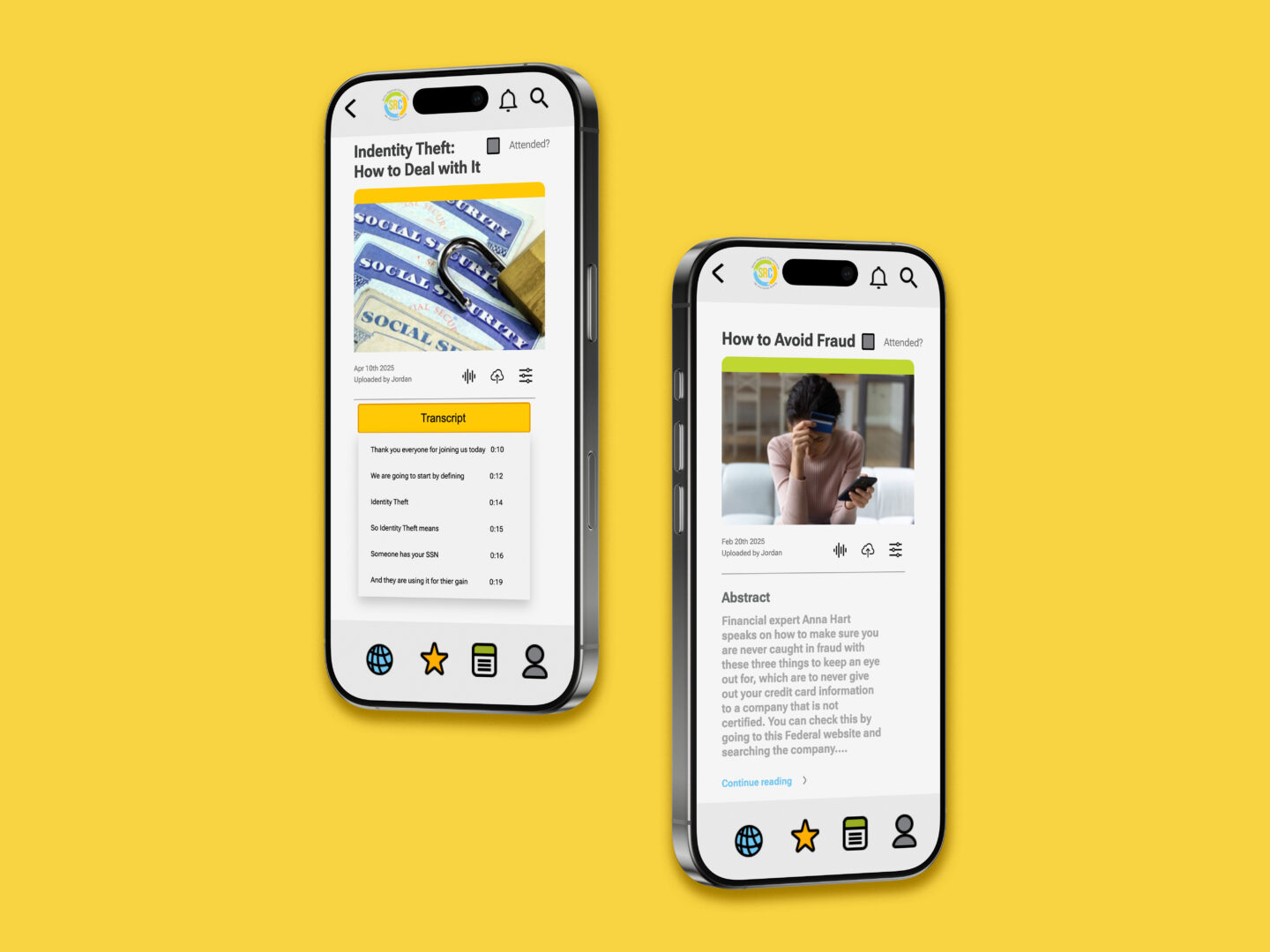
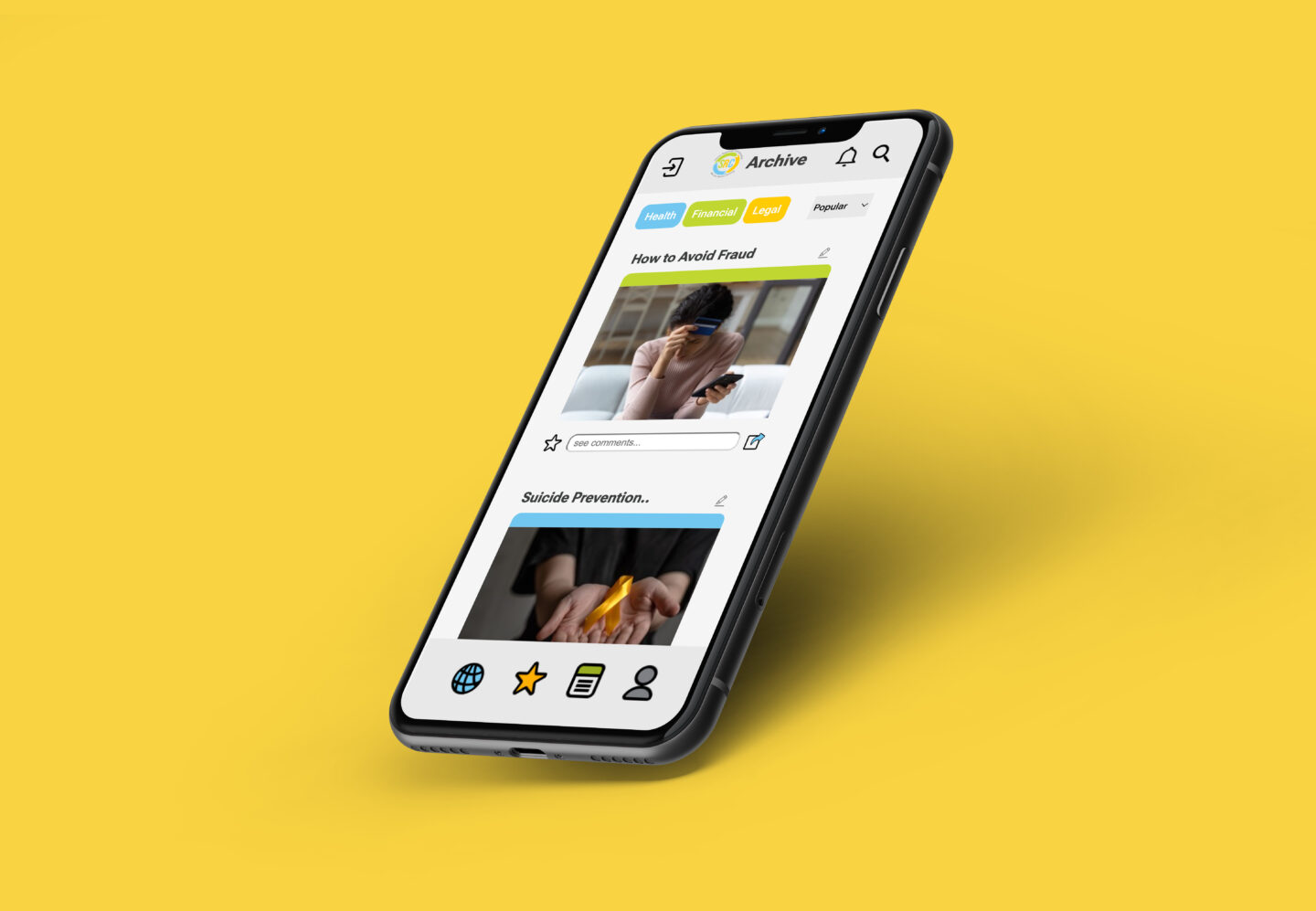
Designing to solve a problem is the essence of being a designer. In this case, it was to solve the issue of having a community for caregivers and elderly people, with an archive of past workshops and webinars on topics such as finance, legislation, and healthcare. Since SRC works to aid a specific target audience of the elderly, the disabled, and their caregivers, the audience for this app was also the same. This led to cultivating a persona for the caregiver, and then proceeding to conduct interviews that really flesh out the real issue. From talking with the executive director of SRC, an active caregiver in a nursing home, and a doctor in an elder care facility, I was able to learn a lot more about the nuances of the problems people face in that industry. These interviews with potential users proved to be integral to understanding the core problem of the lack of community in these spaces and were the motivation for including that into the main function of the App. As for the production of creating a high-fidelity prototype of the app, it proved to be an exercise in how to translate learned design principles for the screen, while considering that the audience was people on the older spectrum, so creating an app that was simple to navigate and intuitive was important. Creating this app proved to be a valuable lesson in designing with a specific audience in mind and curating every aspect down to the bright and accessible color scheme for this audience.

A Very Local Newspaper: Simulation of Worlds

A Very Local Newspaper: Simulation of Worlds

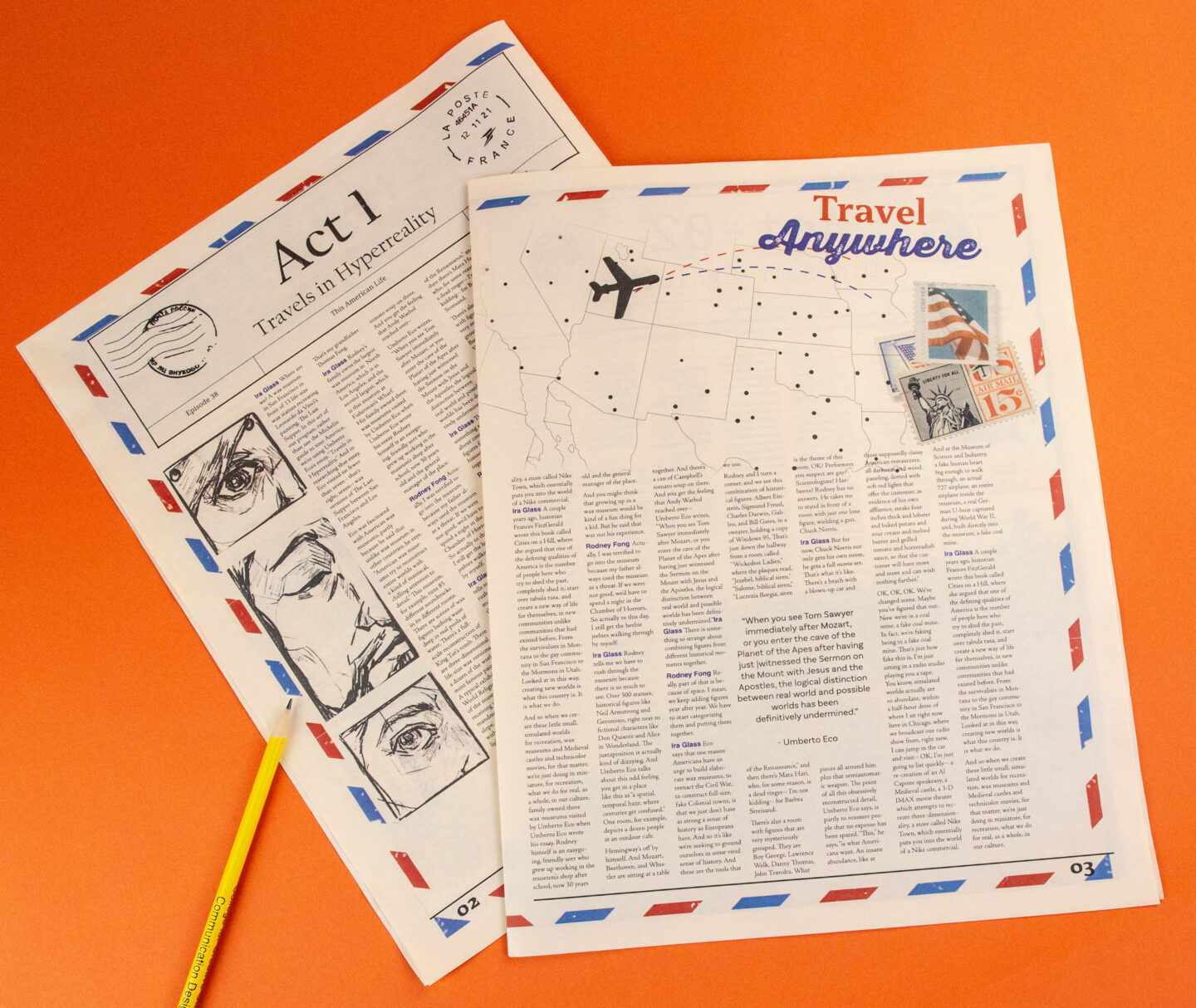
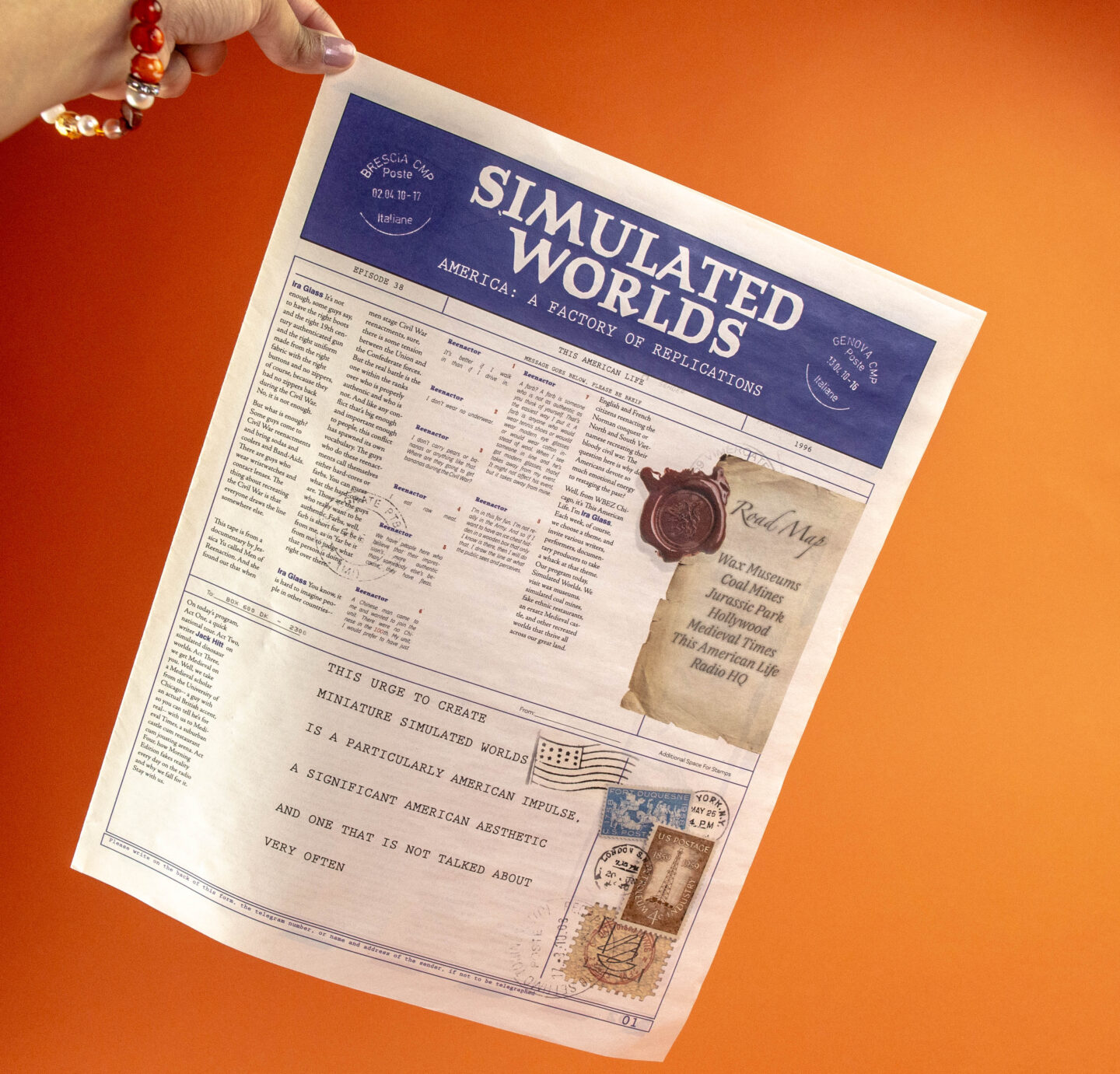
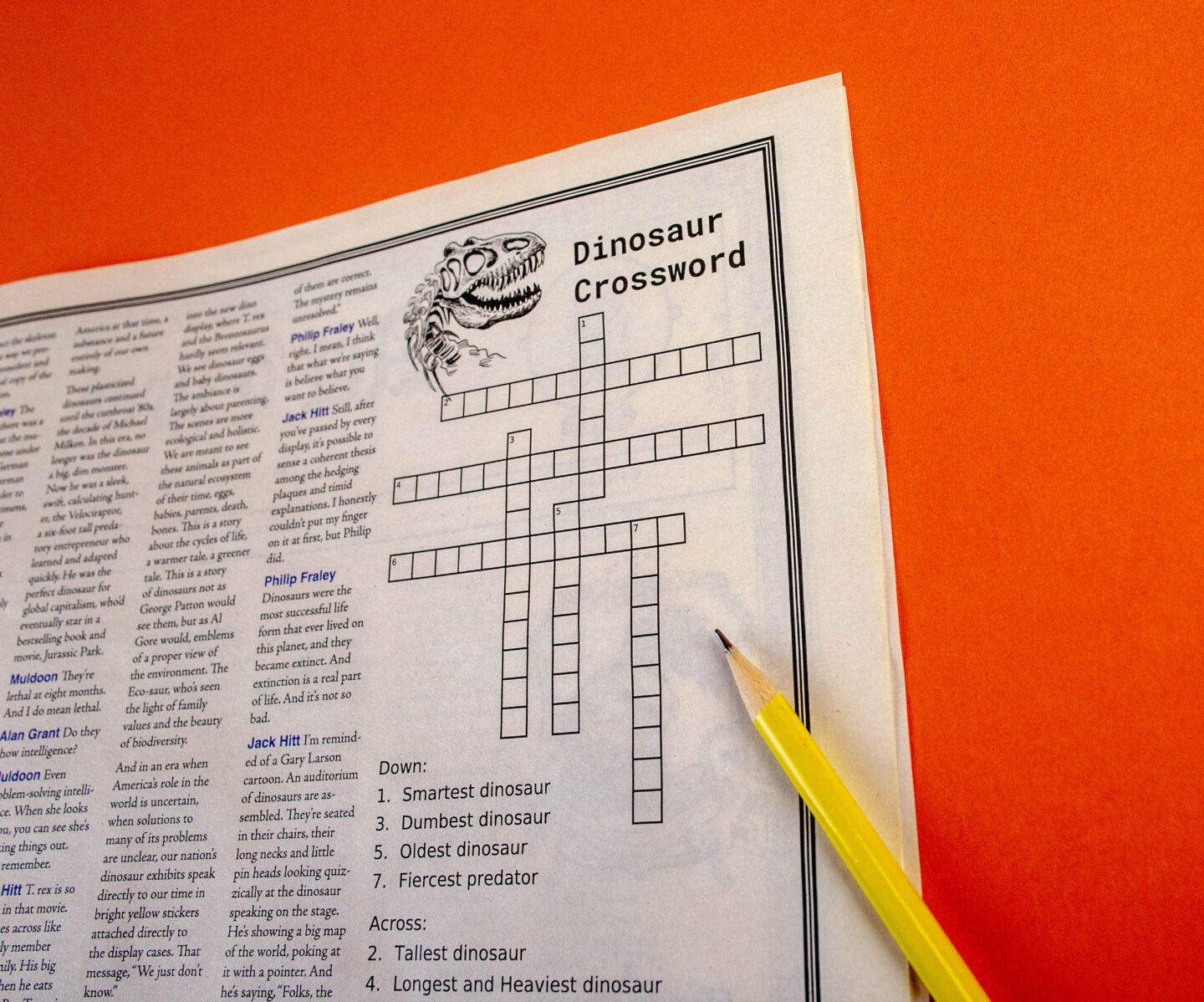
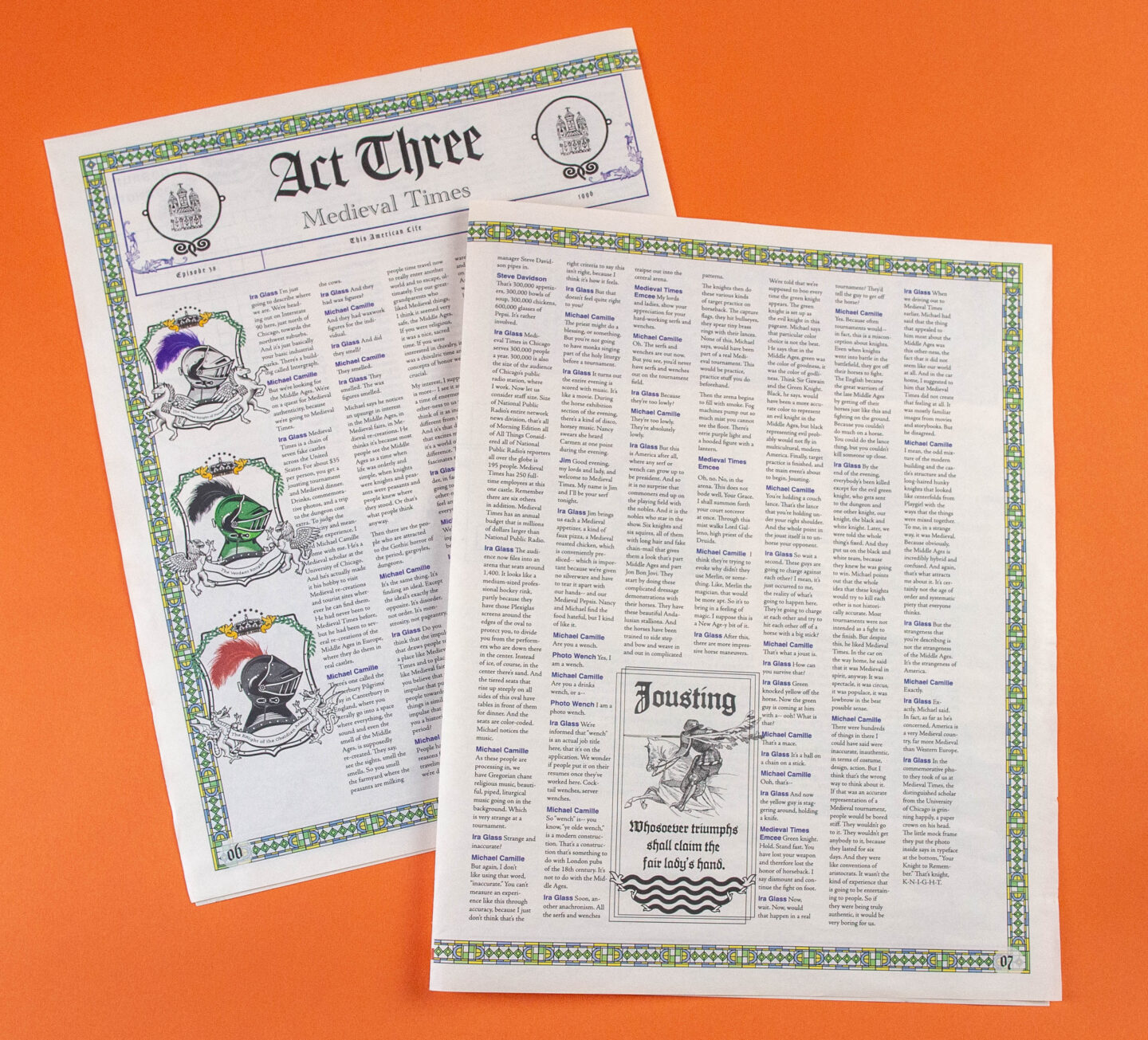
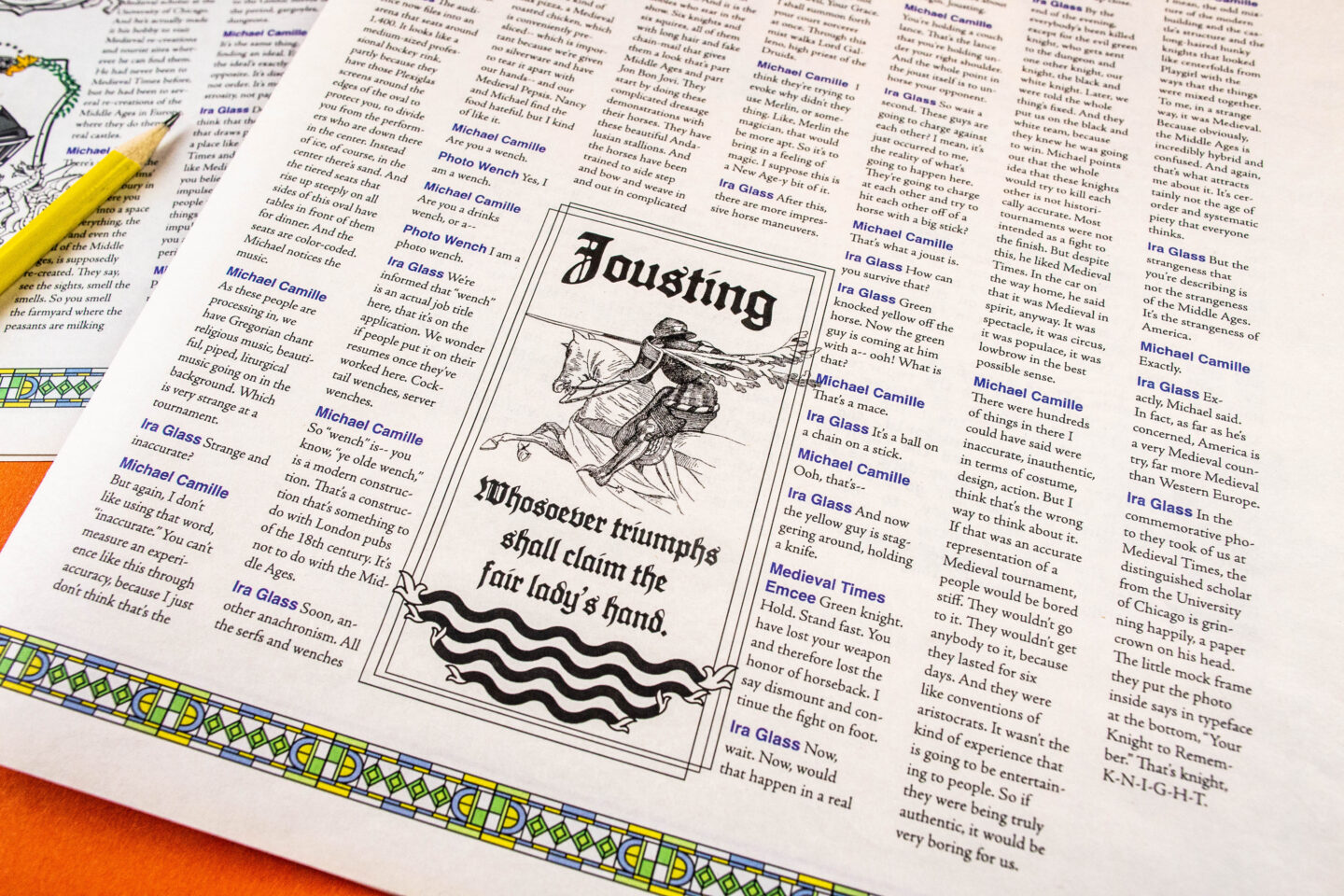
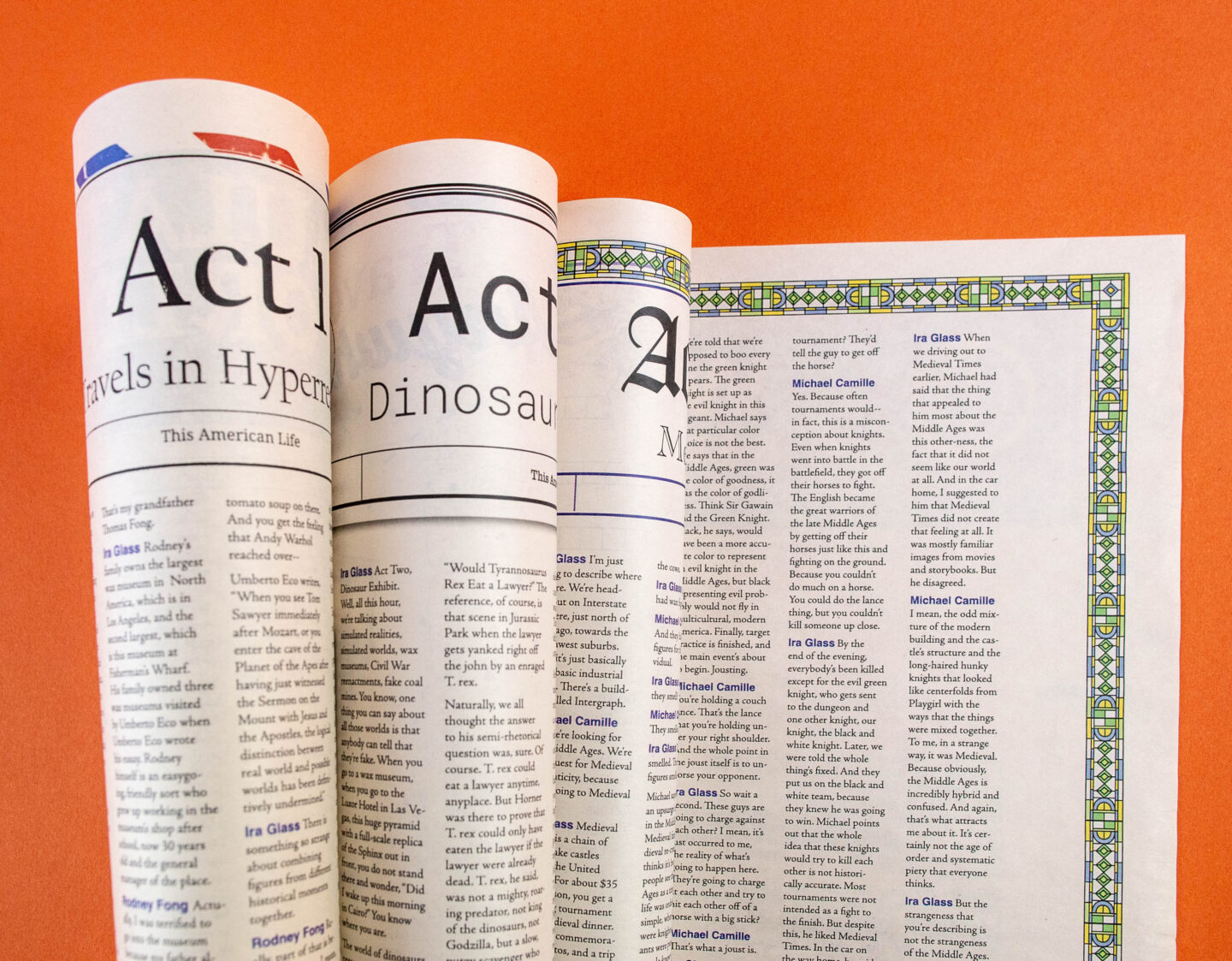
A newspaper reimagining a “This American Life” podcast episode about the strange phenomenon of how Americans tend to gravitate towards simulating things outside of our immediate experience, such as wax museums, civil war reenactments, and many more. So in the ideation process, it was decided to borrow from that same concept as we put together a physical newspaper for the podcast, each act separated to resemble the visual language of what example is being talked about. The prologue mimics the telegram letters of the Civil War. The acts simulate travel postcards, museum placards, and medieval books respectively, and finally finishing with the visual look of a news anchor script for the conclusion. Since it was the first of many times collaborating with my partner, Elise Sansbury, project management became a huge part of how the production process could be nailed down smoothly, but we were able to create a distinct set of rules to ground the fluctuating visuals, and to still bring the publication together as one. Splitting each act between each other, then coming back to debrief and rethink details so the overall visual zones of interest still align;t was a challenge to maintain a grid system while opening up the possibilities of miscellaneous additions that enhance the narrative to truly capture the experience of reading a newspaper, and having those common zones of information became really important in doing that. This meant a clear type pairing system for the main body, and a distinct setup for the letter heads of each spread, so when a person flips through the papers, they experience the simulation of each act without getting completely lost.

826 Houston: Astrum Way Finds

826 Houston: Astrum Way Finds

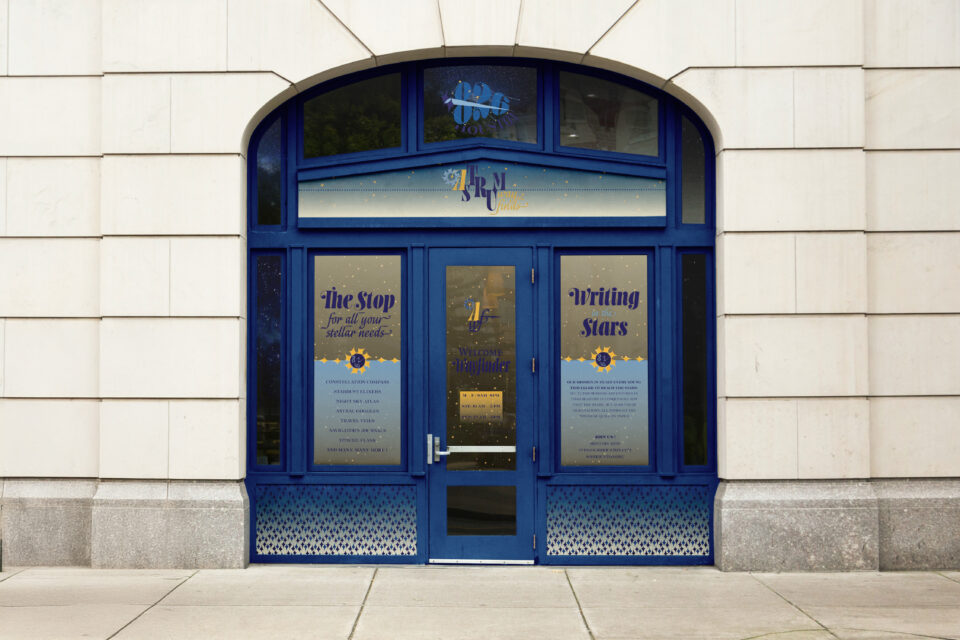
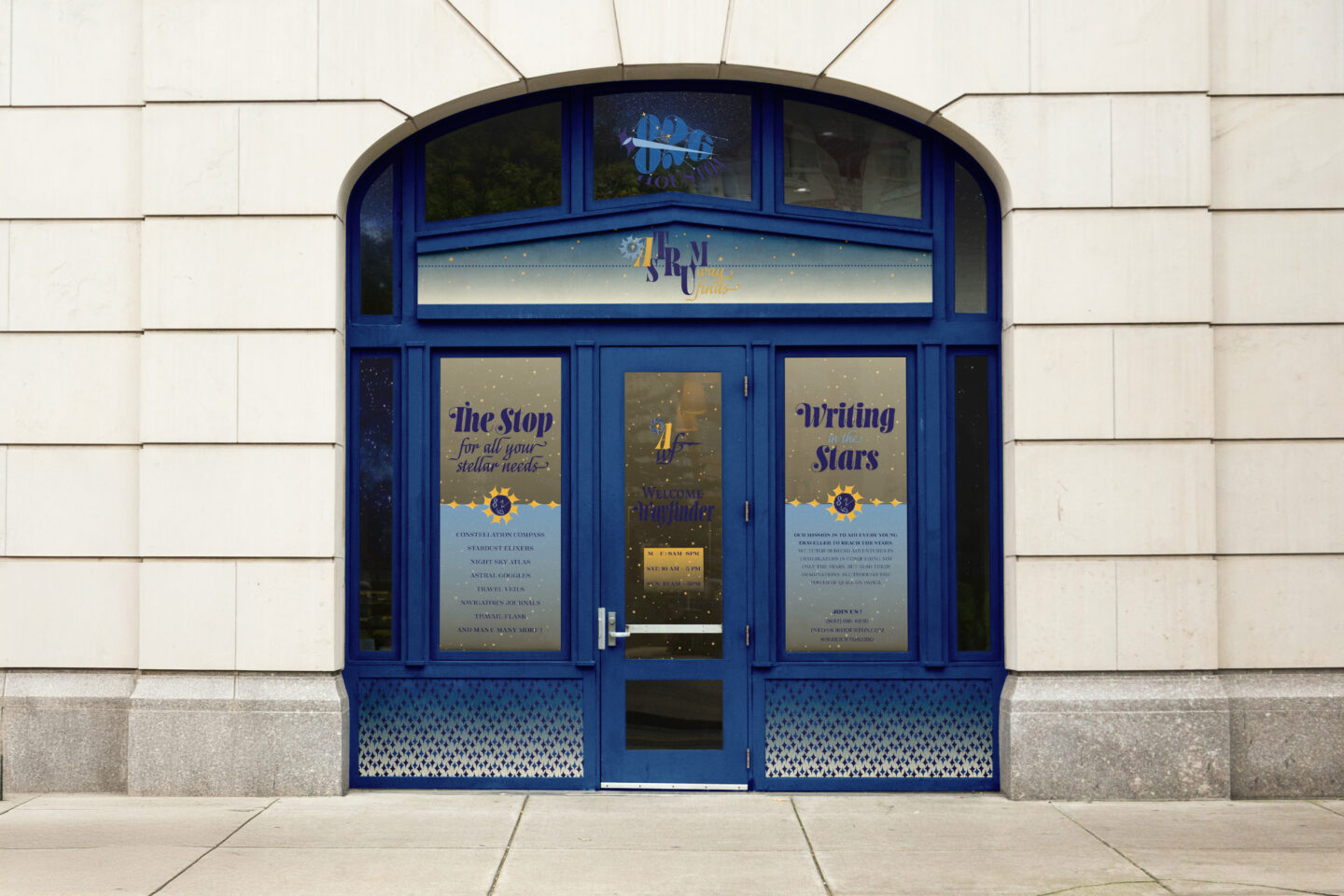
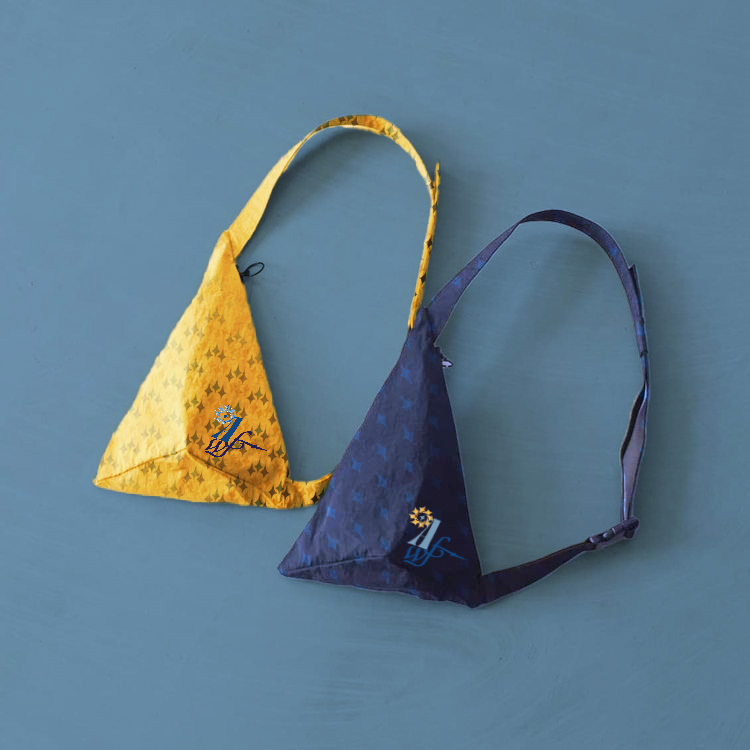
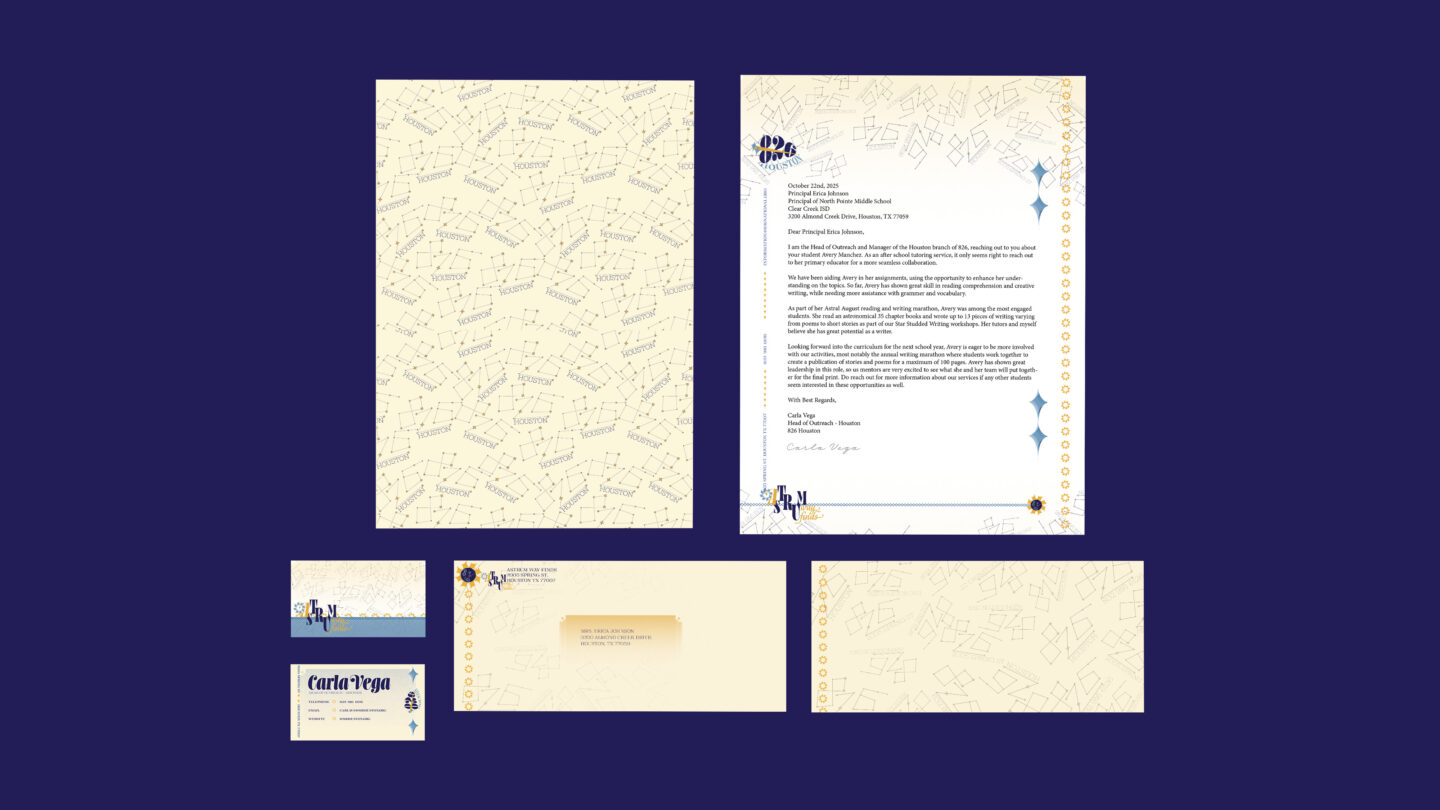
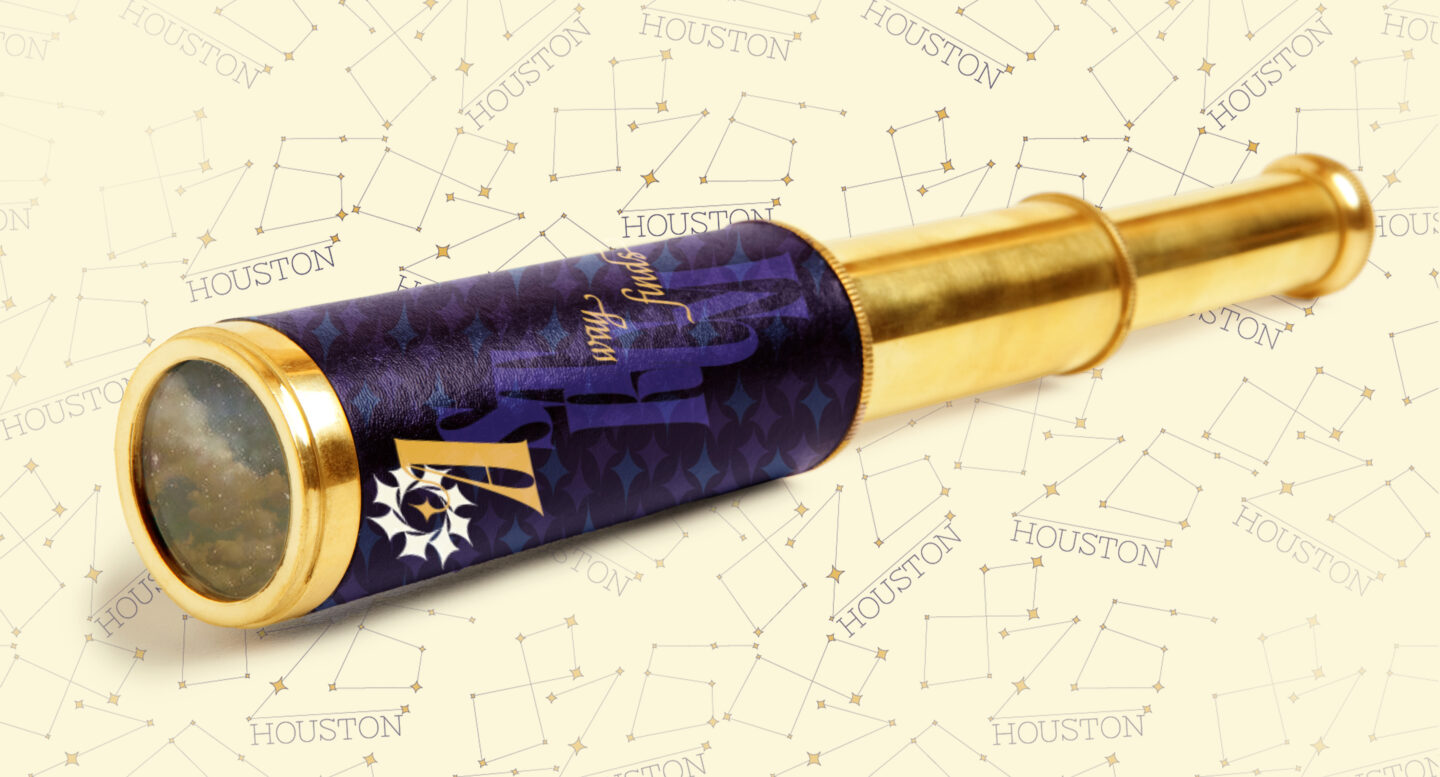
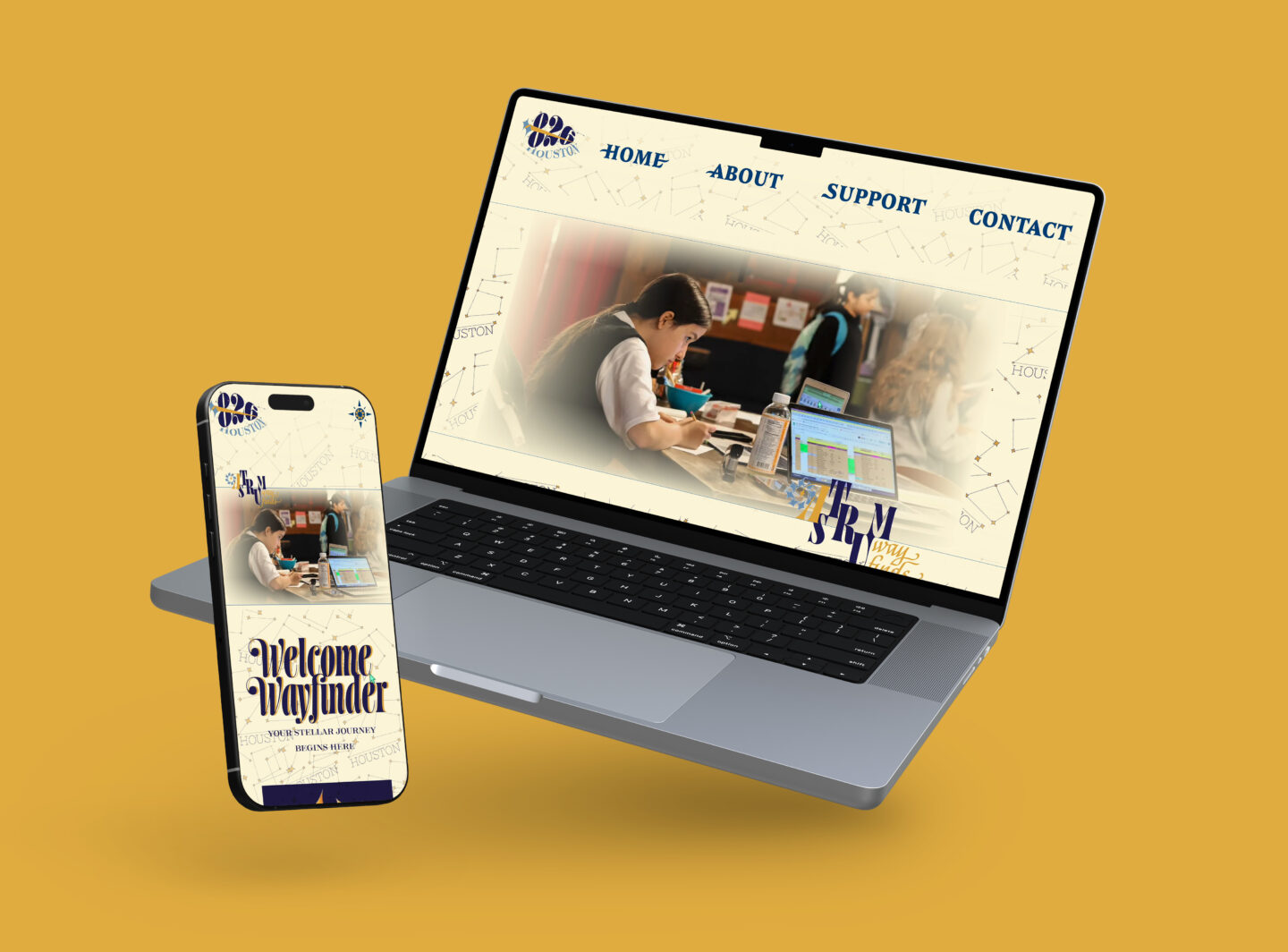
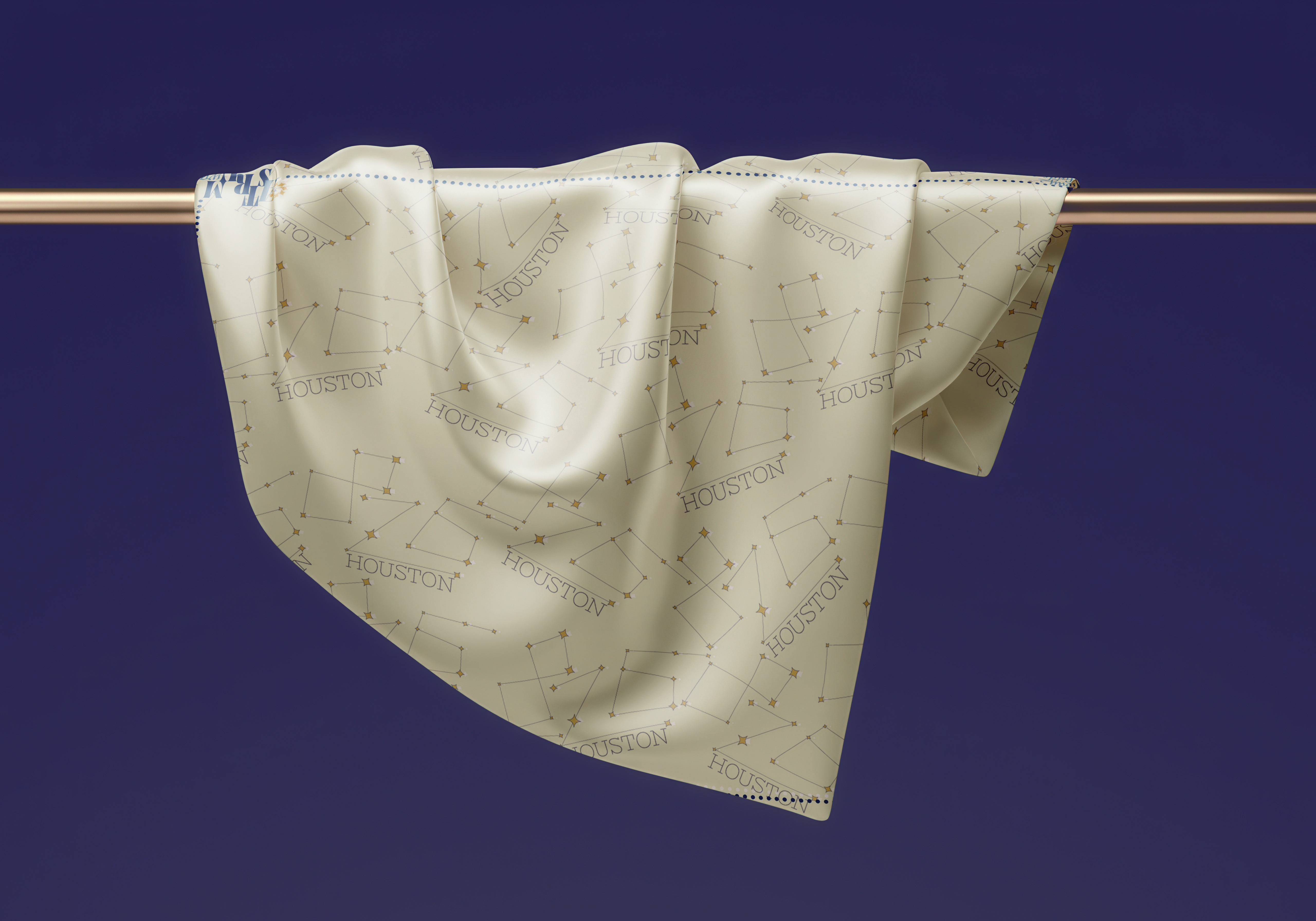
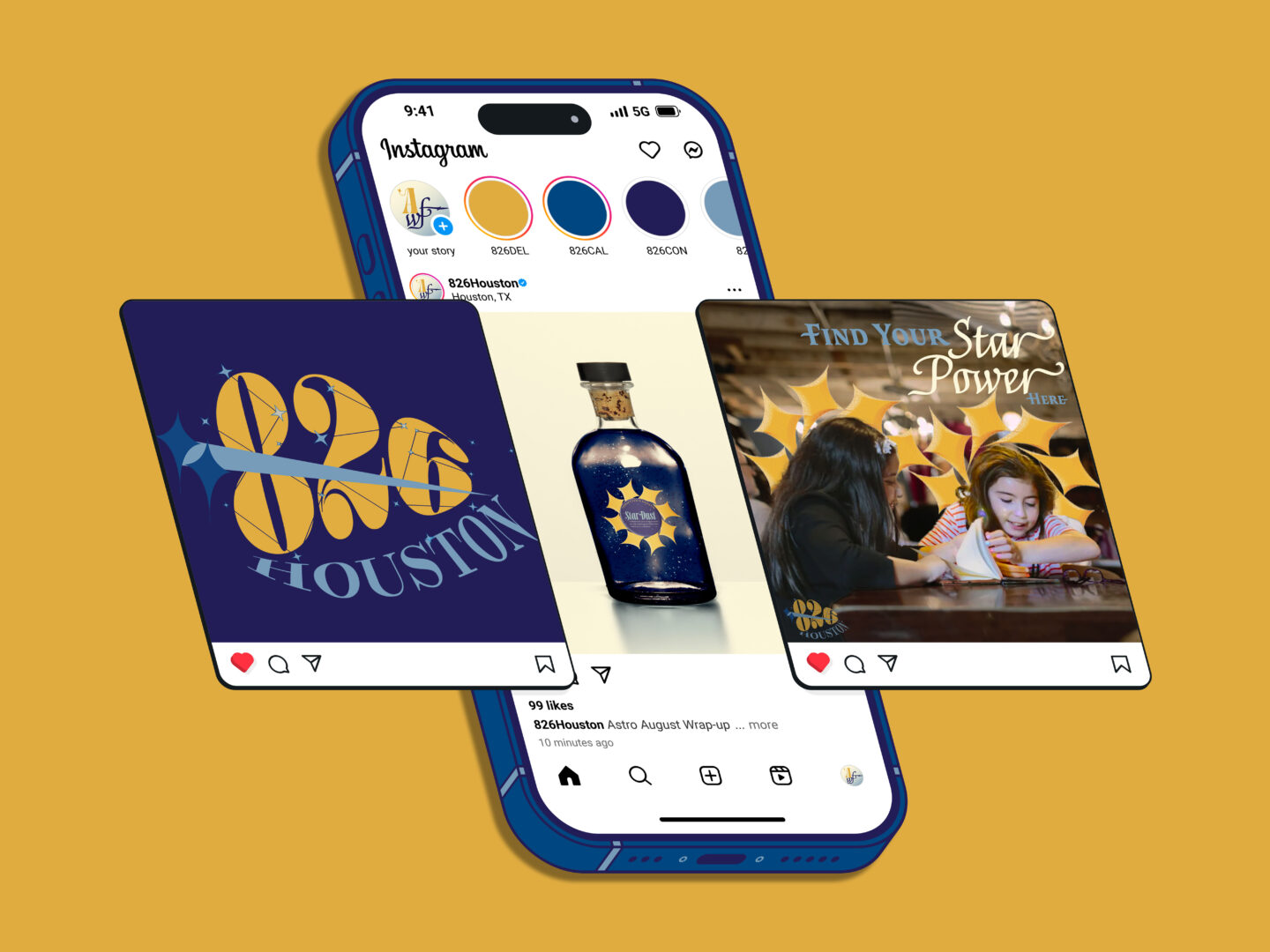
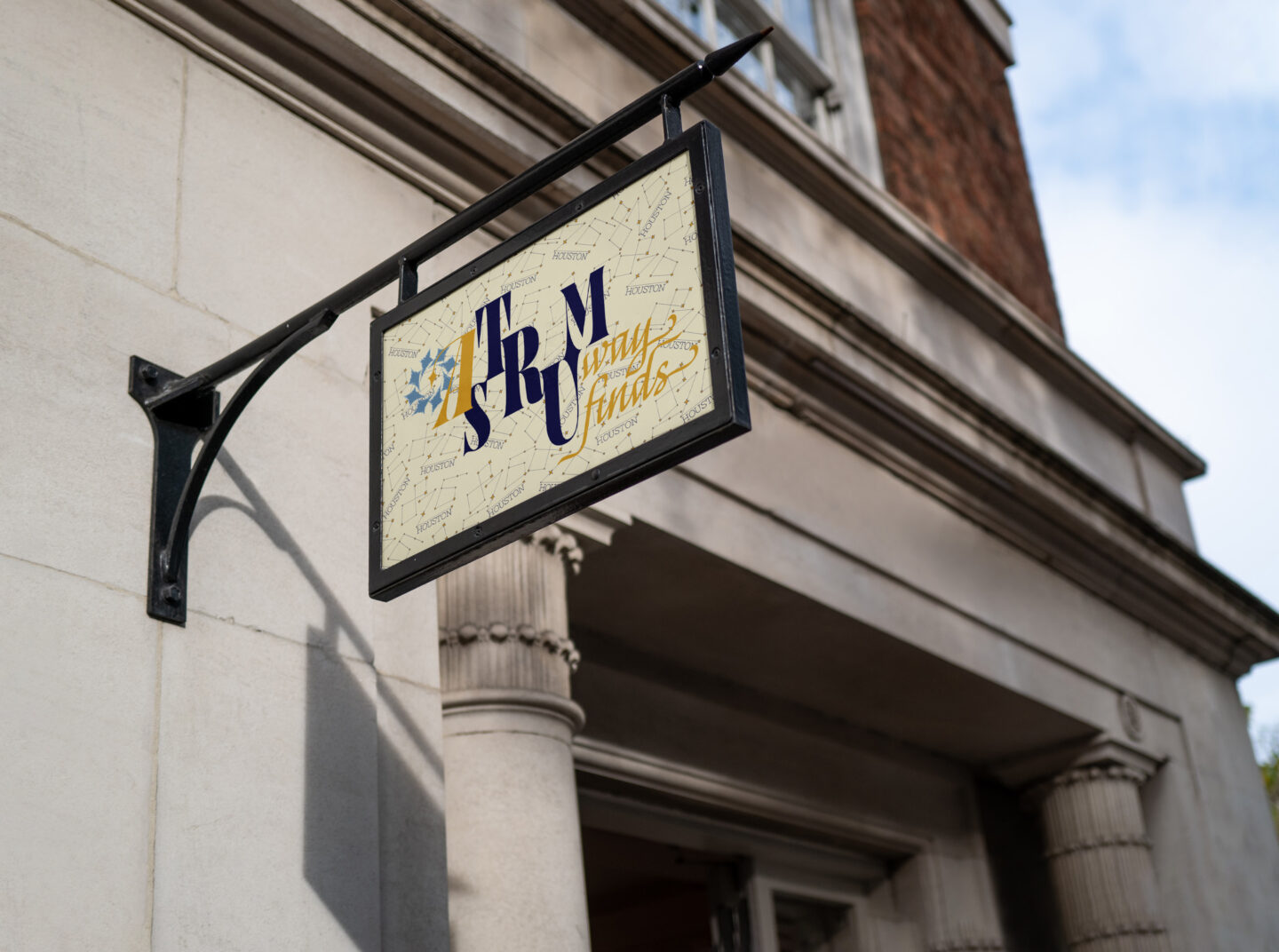
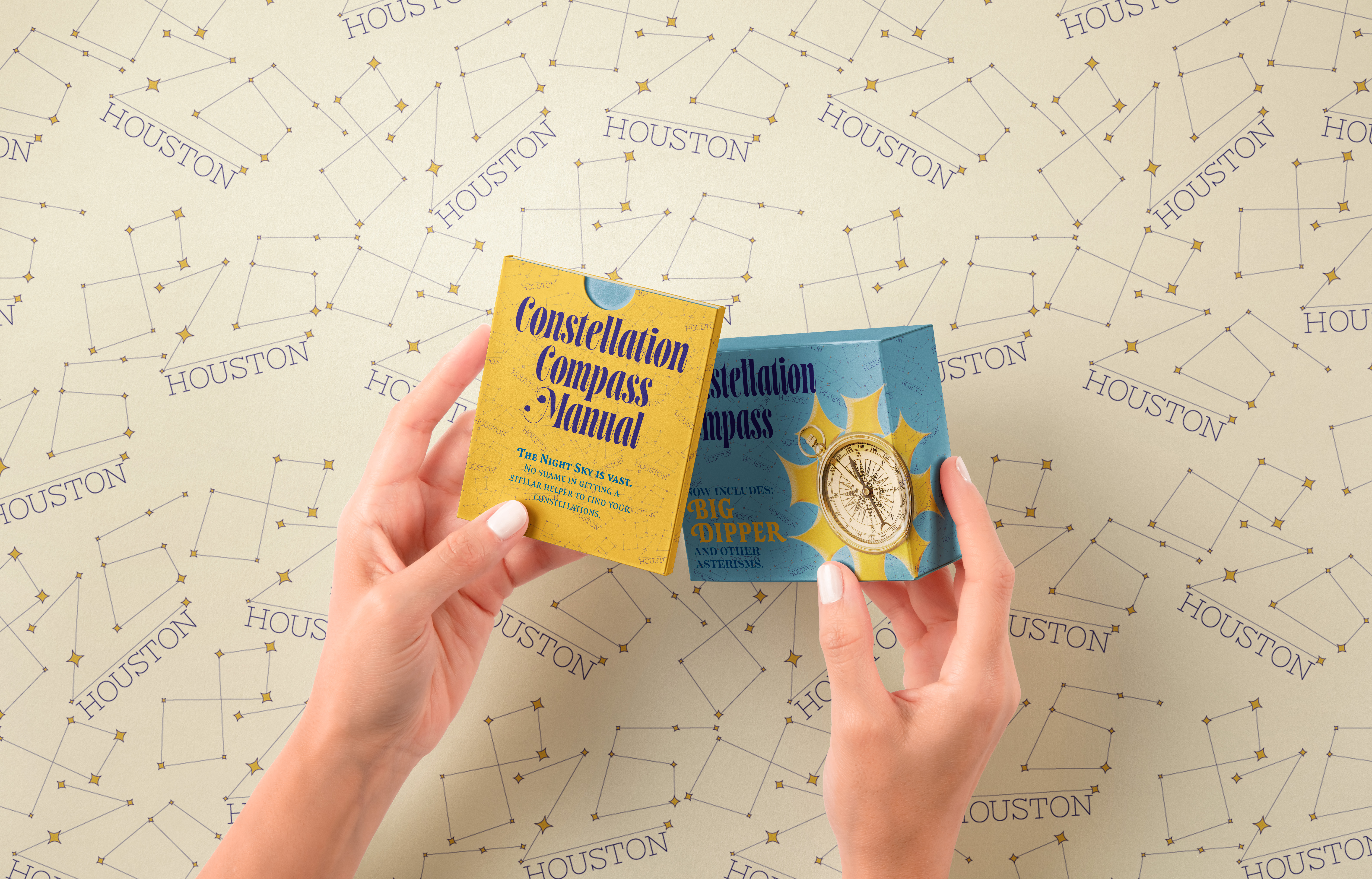
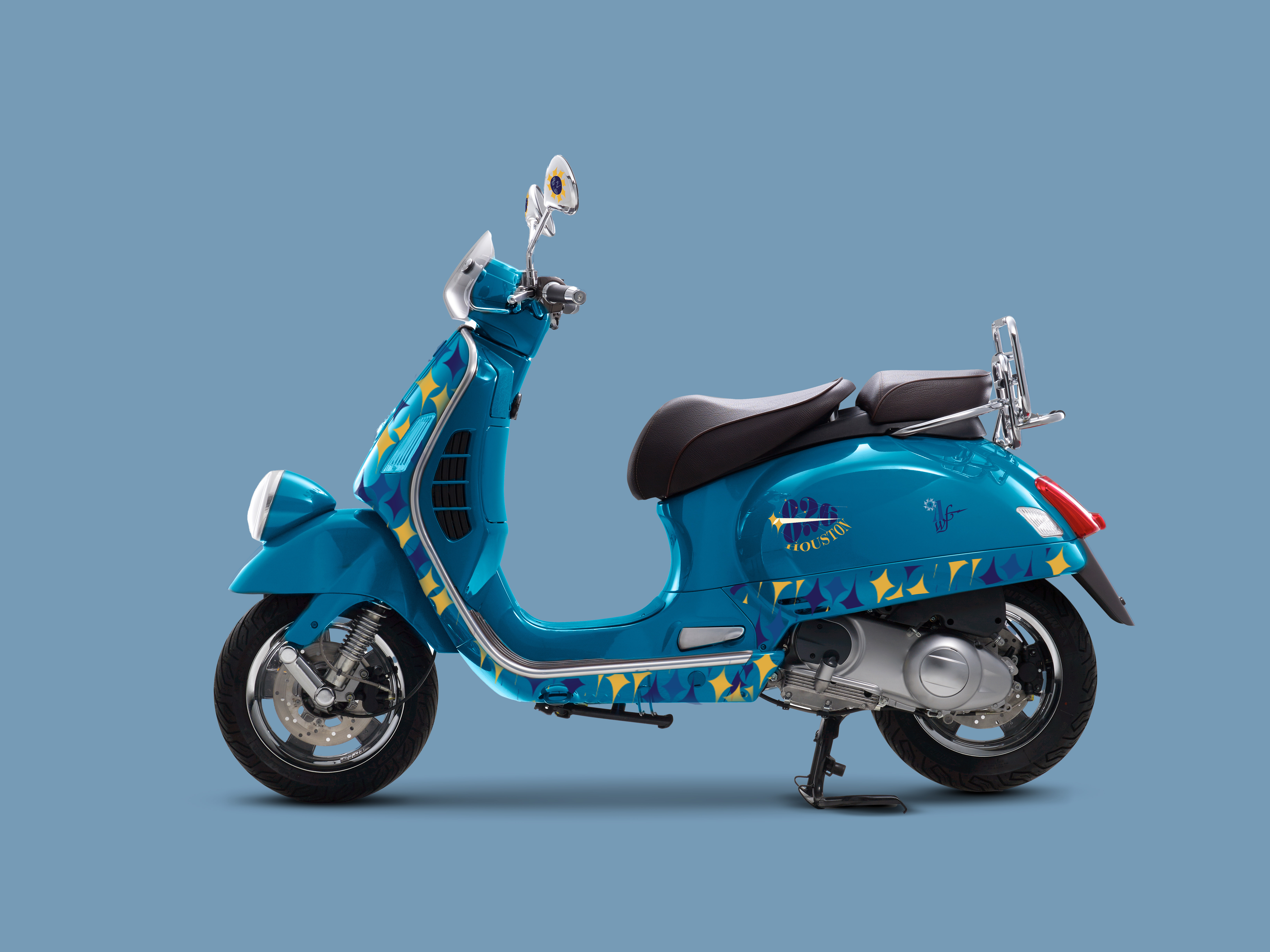
826 National is a non-profit organization driven to make reading and writing a sanctuary for K-12 students, producing authors who feel confident in their own skin. Their branding approach is interesting in that they draw inspiration from the history and culture of the location of the store, branding their stores to be a retail front for eclectic customers, such as a Superhero supplies store for Superheroes. In this iteration of such a store for Houston, Texas, a collaboration on User Research unveiled the culture of stargazing and travel in the area. Taking this initial tidbit, wider research on the visual language formed a connection to the old practice of using constellations as a navigation tool. Hence was the birth of Astrum Way Finds, an emporium for Travelers who navigate the stars to collect all their stellar needs. The sharp dramatics of the night sky inspired the design assets to reflect the wonder of the stars, using star iconography and borrowing from the interest a collection of Constellations can form to create a store, driving K-12 students to continue to aspire to attain the greatest versions of themselves. There were many trials and tribulations in this process of incorporating the different parts of the brand with cohesion. Forming zones of interest and creating a system of information was what really brought the brand to life in all it’s different forms, on a small bottle of Stardust for the next trailblazer in need or the large bright sign that led them there.