Graduation

2027

PORTFOLIO's Personal Portfolio

Clarendon URW Typeface Study

Clarendon URW Typeface Study
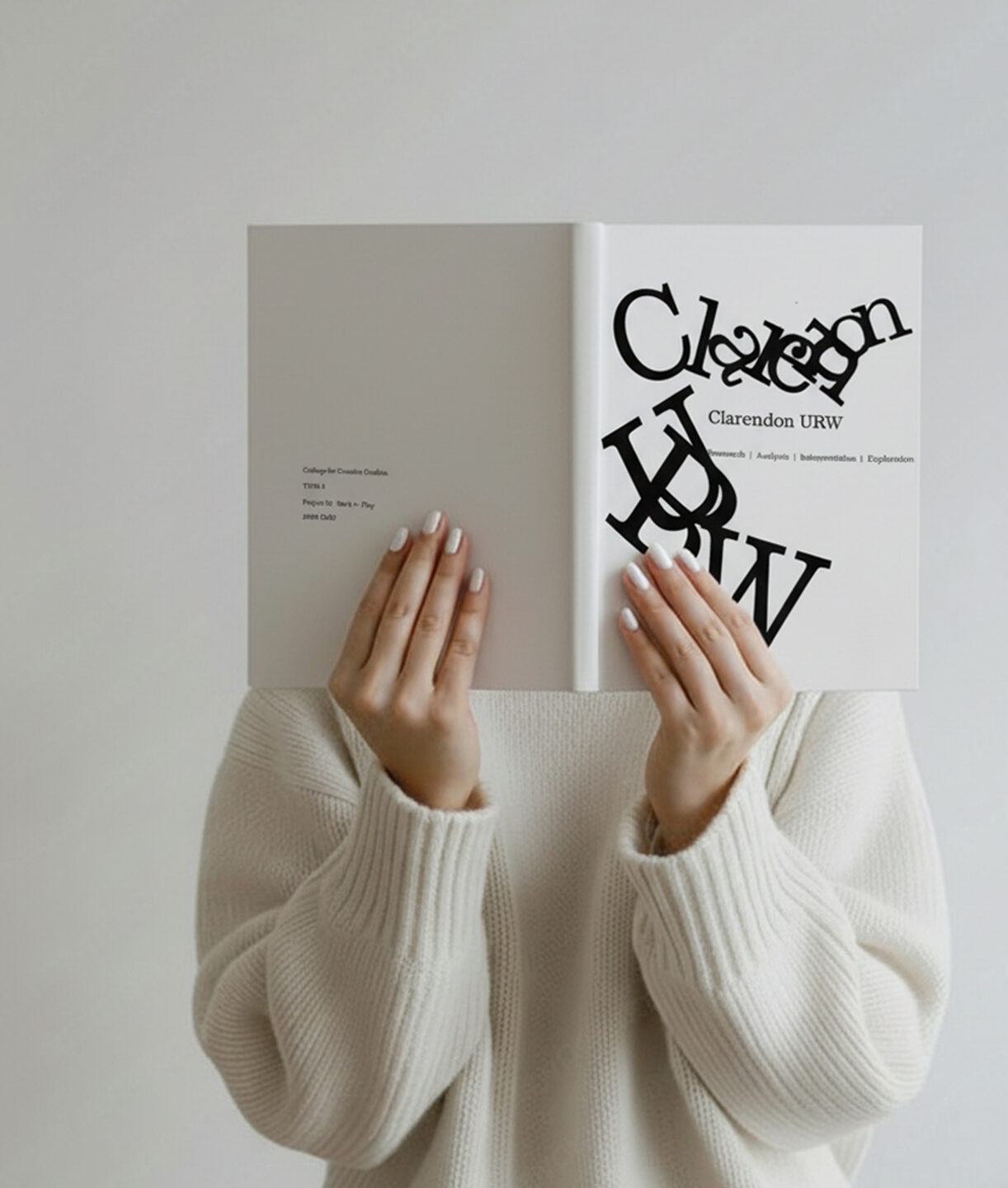
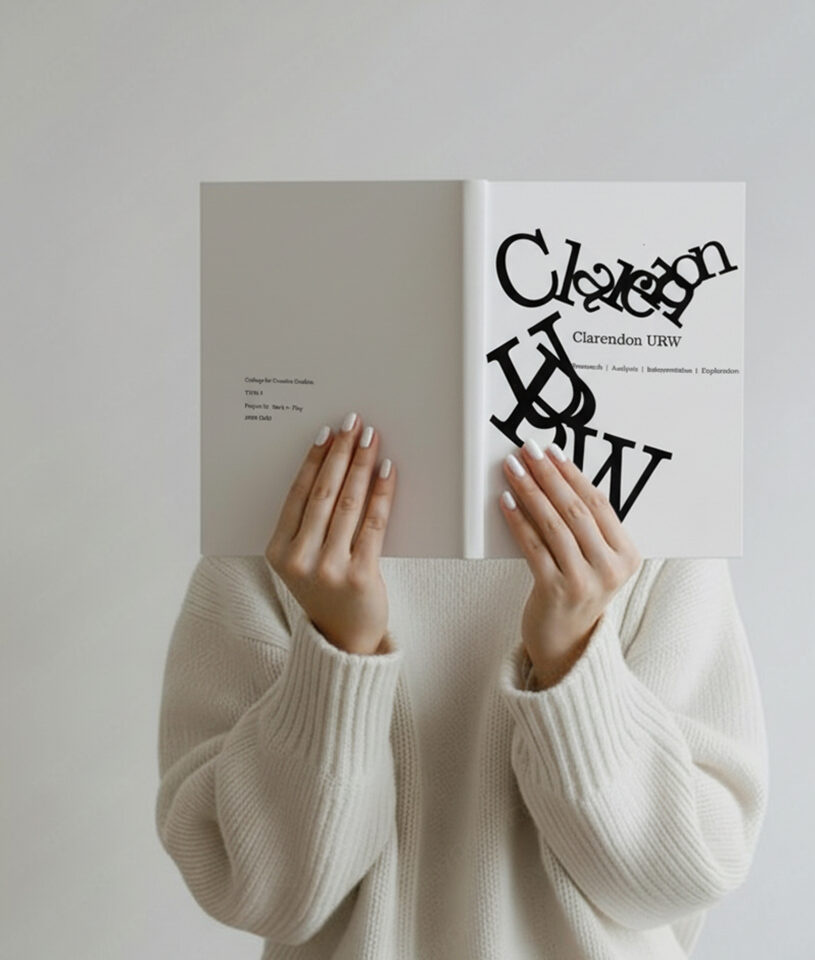
When I first started this project, I thought it would be straightforward—just putting the Clarendon URW letters in order and labeling their parts. But the deeper I looked, the more complicated it became. The curve of a shoulder, the weight of a stroke, even the way two lines connected—suddenly One of the hardest parts was deciding what to keep and what to leave out. Sometimes I wanted to show everything I noticed, but that only made the pages feel heavy. Other times I cut too much, and the work lost its meaning. I also kept running into the question of balance: how do I make a page look interesting without distracting from the type itself? I went through many versions, reworking layouts again and again, never fully satisfied. In the end, I chose this version because it felt like the typeface was guiding me instead of me forcing it. The process taught me patience, but more than that, it taught me to listen—to see design not just as something I make, but as something I can learn from
The Scientific Study of Unidentified Flying Objects(Rework)

The Scientific Study of Unidentified Flying Objects(Rework)

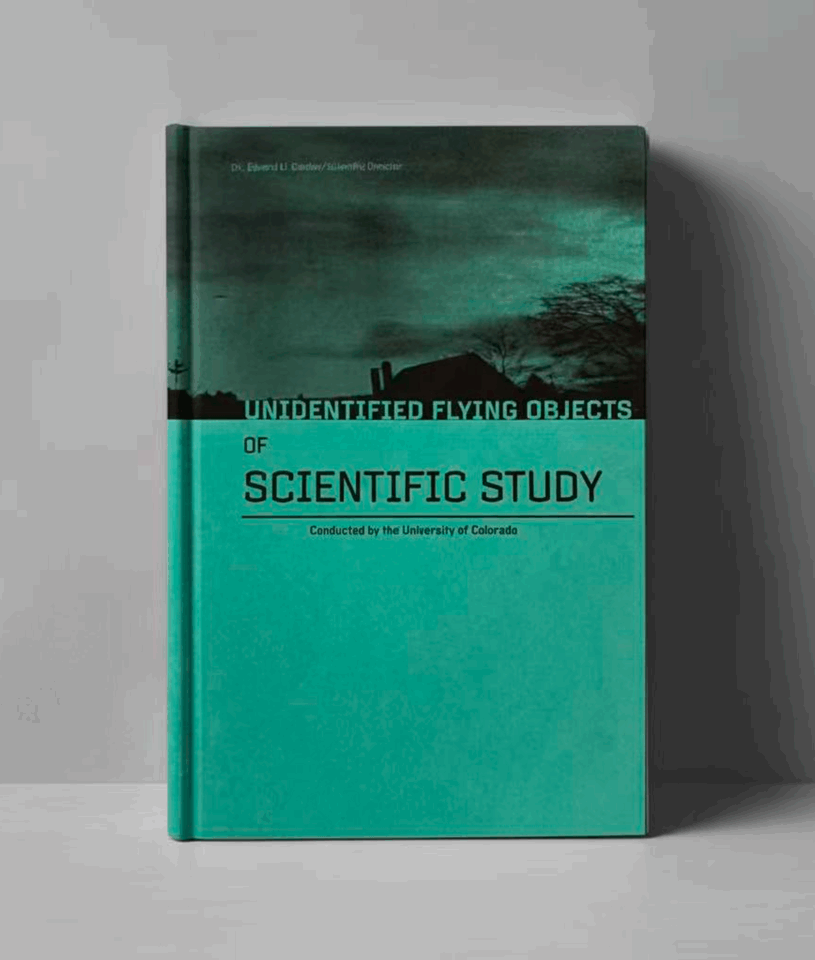
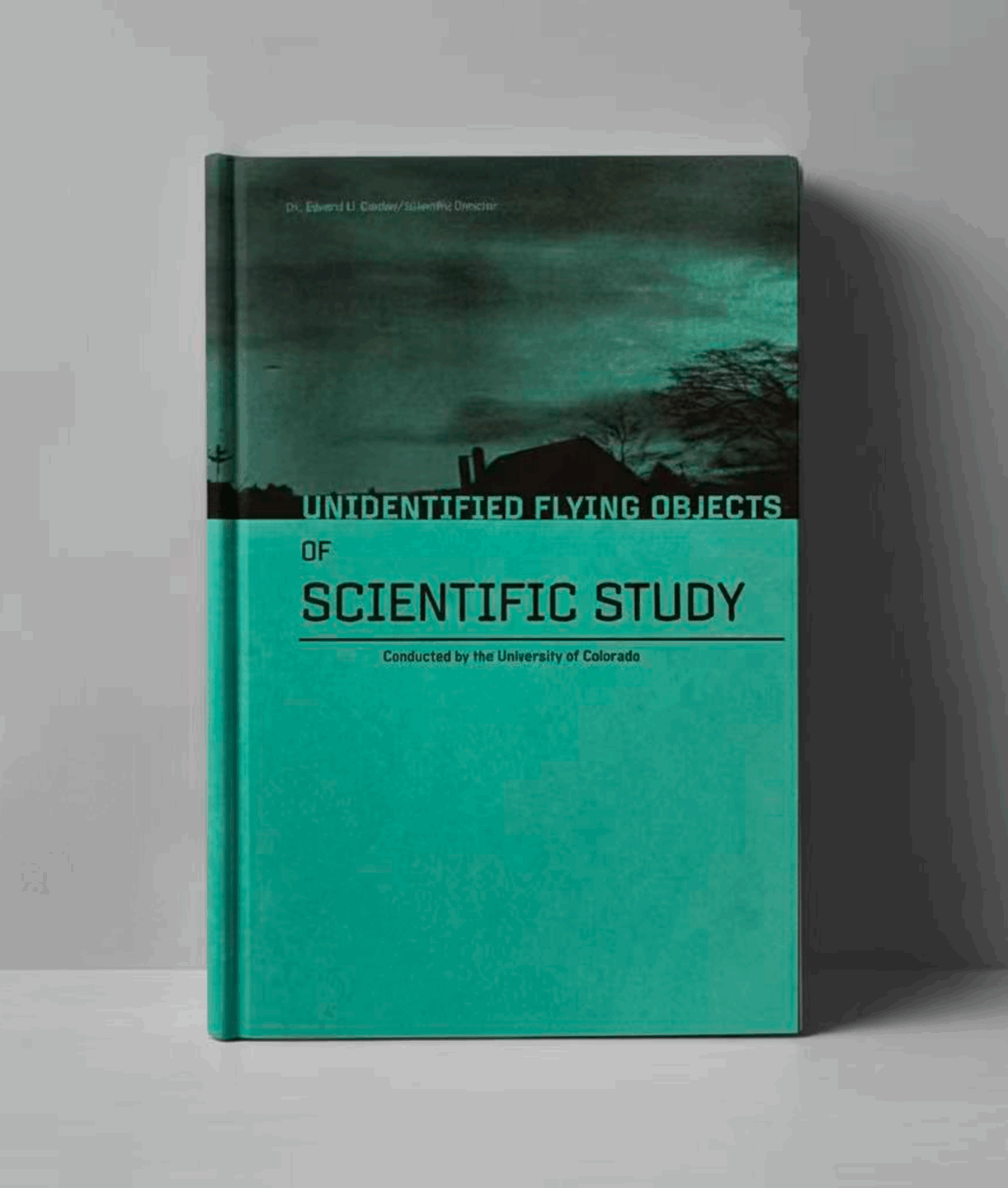
This project gives The Scientific Study of Unidentified Flying Objects a fresh design. My aim was to keep the feeling of the original government report but make it easier to read and more engaging for today ’ s audience. The cover uses a black-and-white image with clear type to suggest both the seriousness of research and the mystery of the subject. Inside, I redesigned the layouts to balance text, graphics, and diagrams, so the pages feel structured yet lively. In the process, I looked at how other designers handled hierarchy, contrast, and pacing, borrowing some of their ideas and adapting them to fit this project. I put a lot of effort into revising—draft after draft—constantly improving the layouts and searching for the right balance. Each attempt brought new challenges: keeping the historic tone while also making the content clear and inviting. In the end, I chose this version because it carries both what I learned from

Break Mask — AR Poster

Break Mask — AR Poster

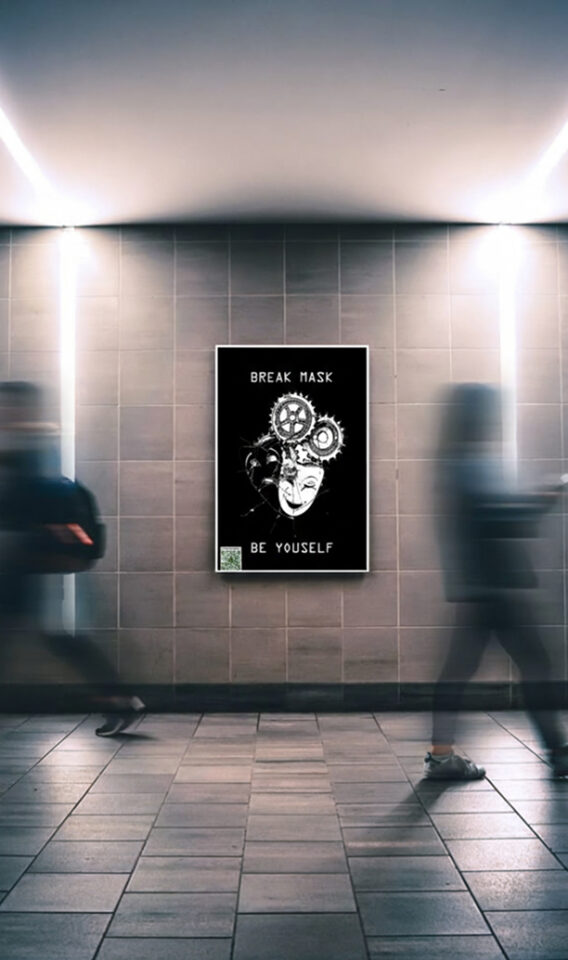
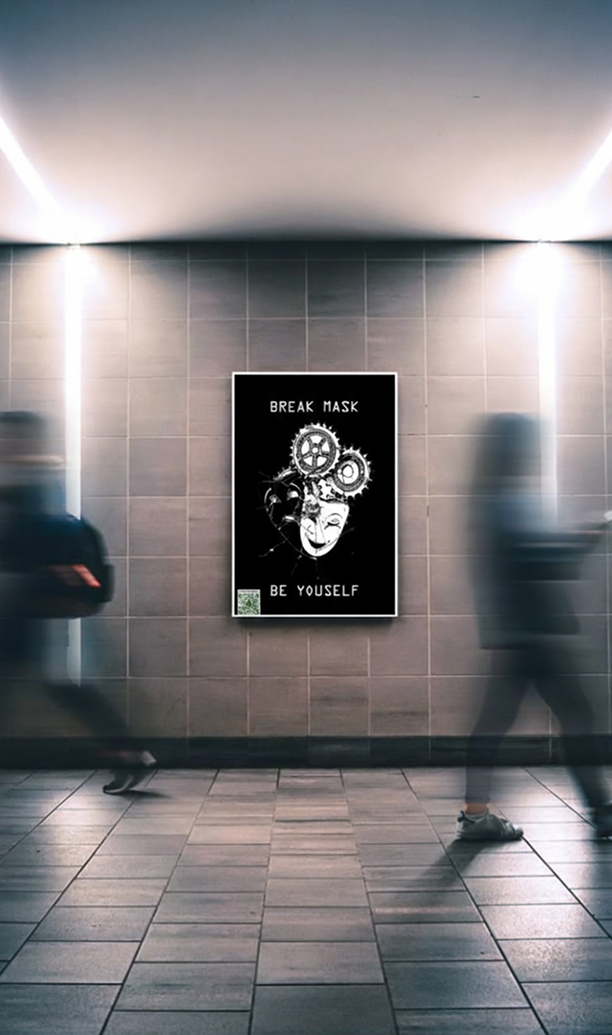
This project started from the idea of masks—how people often hide behind them, and what it means to break free. I designed a poster that shows two theatrical masks breaking apart under pressure, with gears in the background symbolizing the forces of society. The cracks on the masks create a sense of tension, while the phrase “BREAK MASK, BE YOURSELF” gives the message directly. What makes this poster special is the AR element. By scanning the QR code, the design comes alive as a motion piece, letting the viewer experience the concept in another layer. It was a challenge to combine static print with digital media, but I wanted to show how design can cross between physical and virtual space. For me, the project was not just about making an image—it was about expressing something personal. I kept adjusting the visuals, trying to find a balance between metaphor and clarity. In the end, it feels true to what I wanted to say: the courage to break the mask and be yourself.

The Truman Show — Title Sequence

The Truman Show — Title Sequence

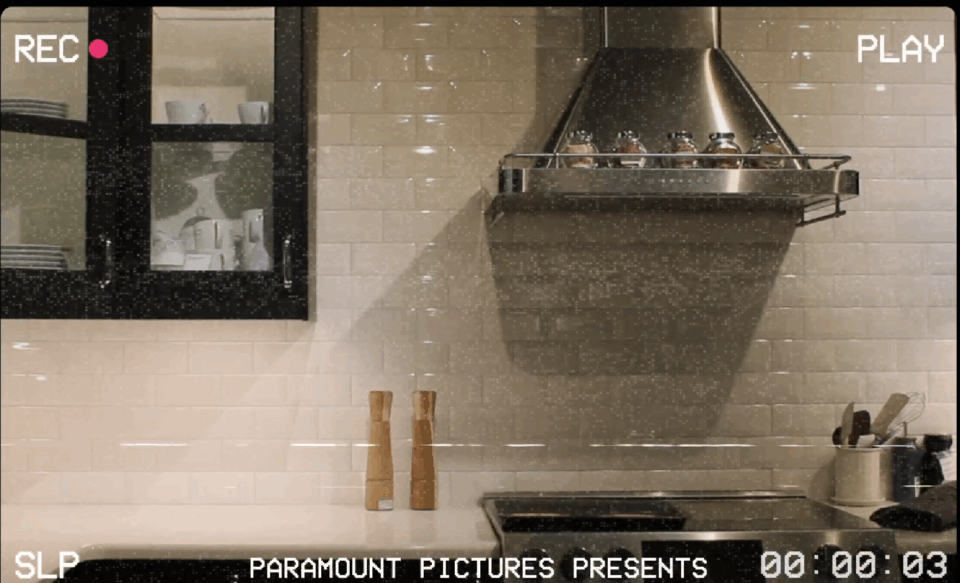
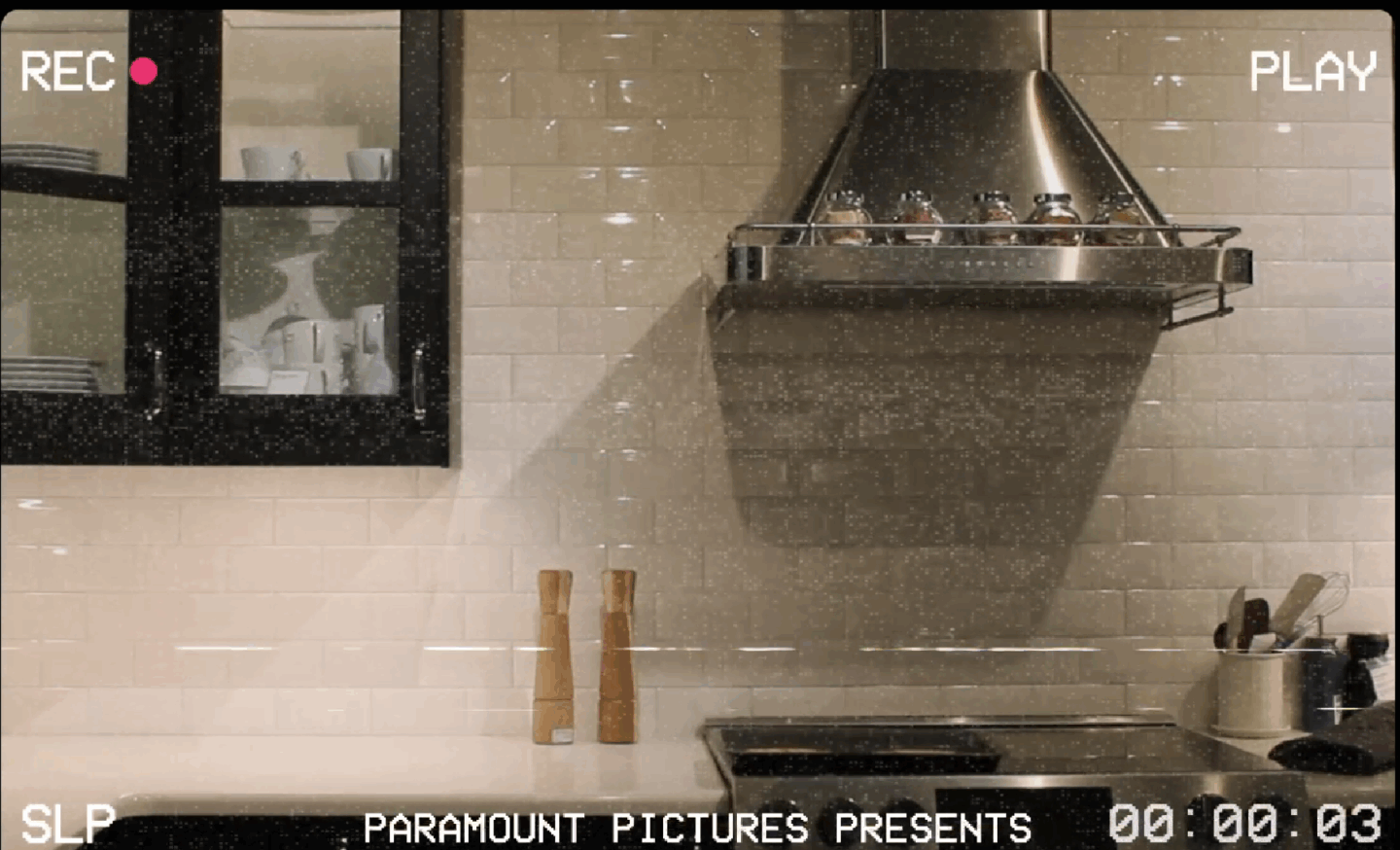
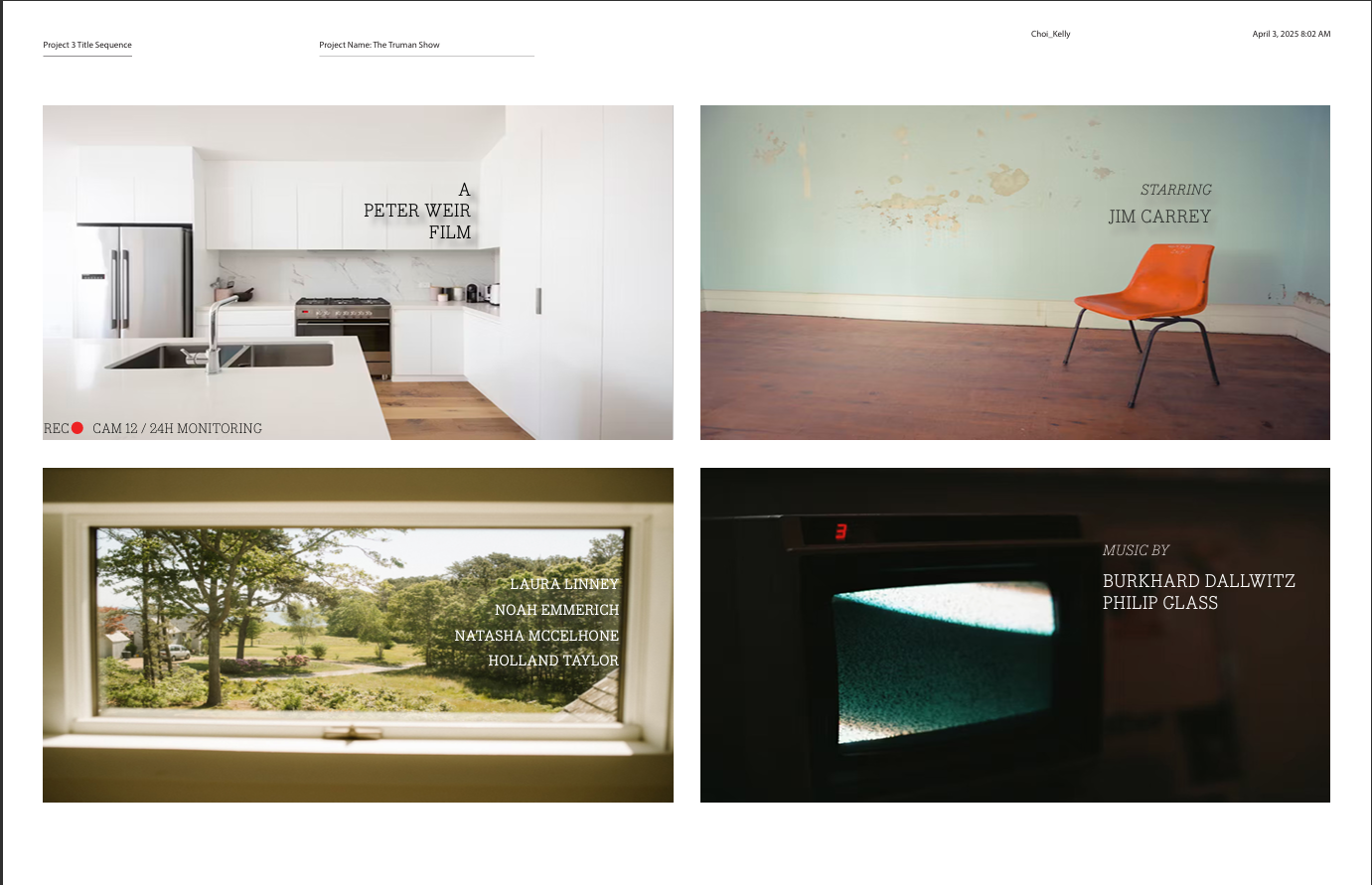
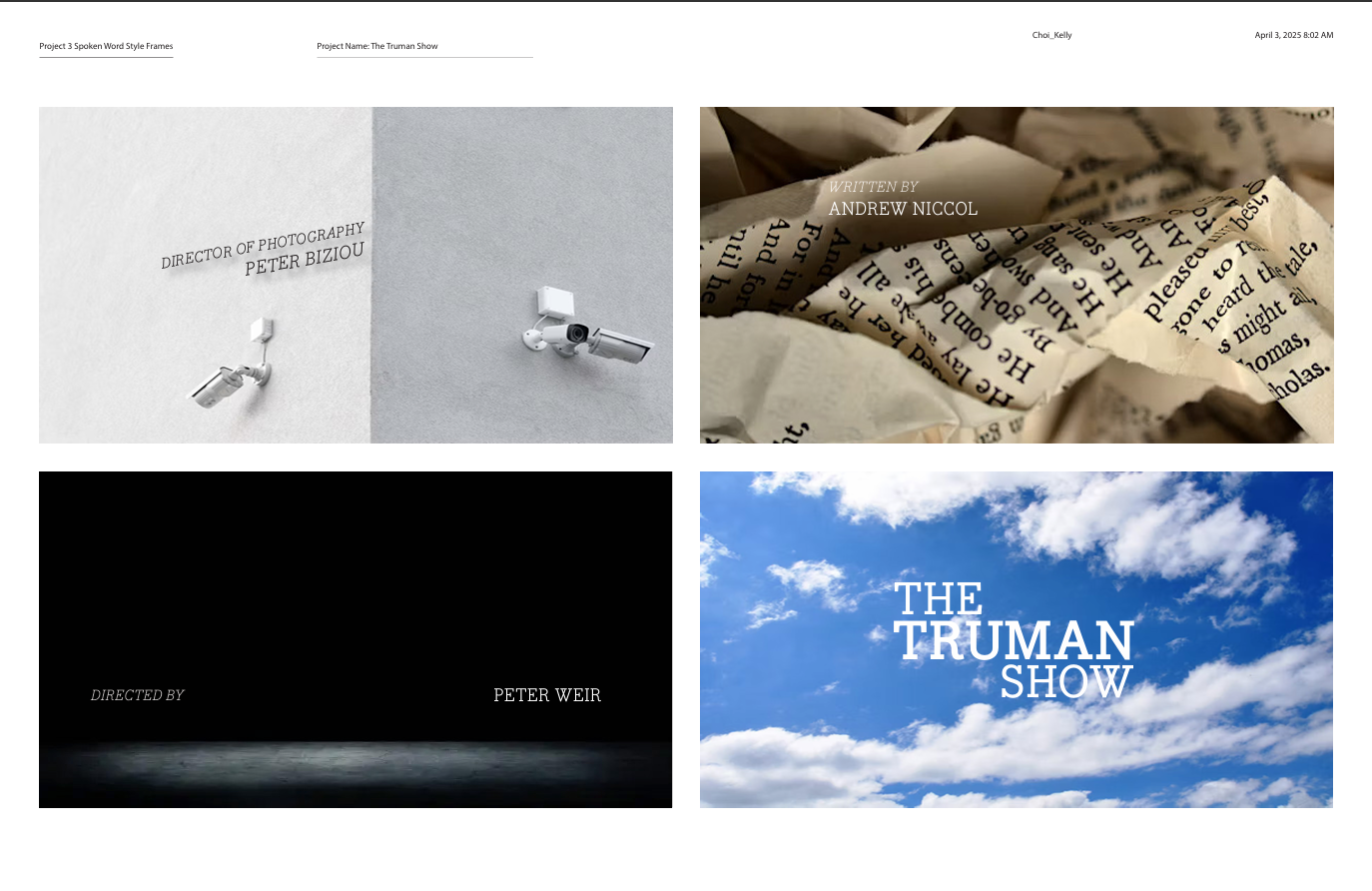
This project was a group collaboration to create a title sequence for The Truman Show. Our idea was to show the film’s themes of surveillance and artificial reality by using camera overlays, CCTV aesthetics, and strong typography. The final sequence was built from style frames and then animated into a complete motion piece. My role was more of a support position—I shared ideas, gave feedback, and helped the group think through different directions. One part I really remember is when we decided to shoot at IKEA. The space felt staged, almost like a “perfect” environment, which fit really well with the mood of the film. Even though I wasn’t the one animating the final shots, I felt my input helped shape the concept and gave the team some new ways to approach it. Looking back, it was both fun and challenging. I learned how much group work depends on listening, sharing ideas, and noticing opportunities, even in everyday places like IKEA, that can push the design further.